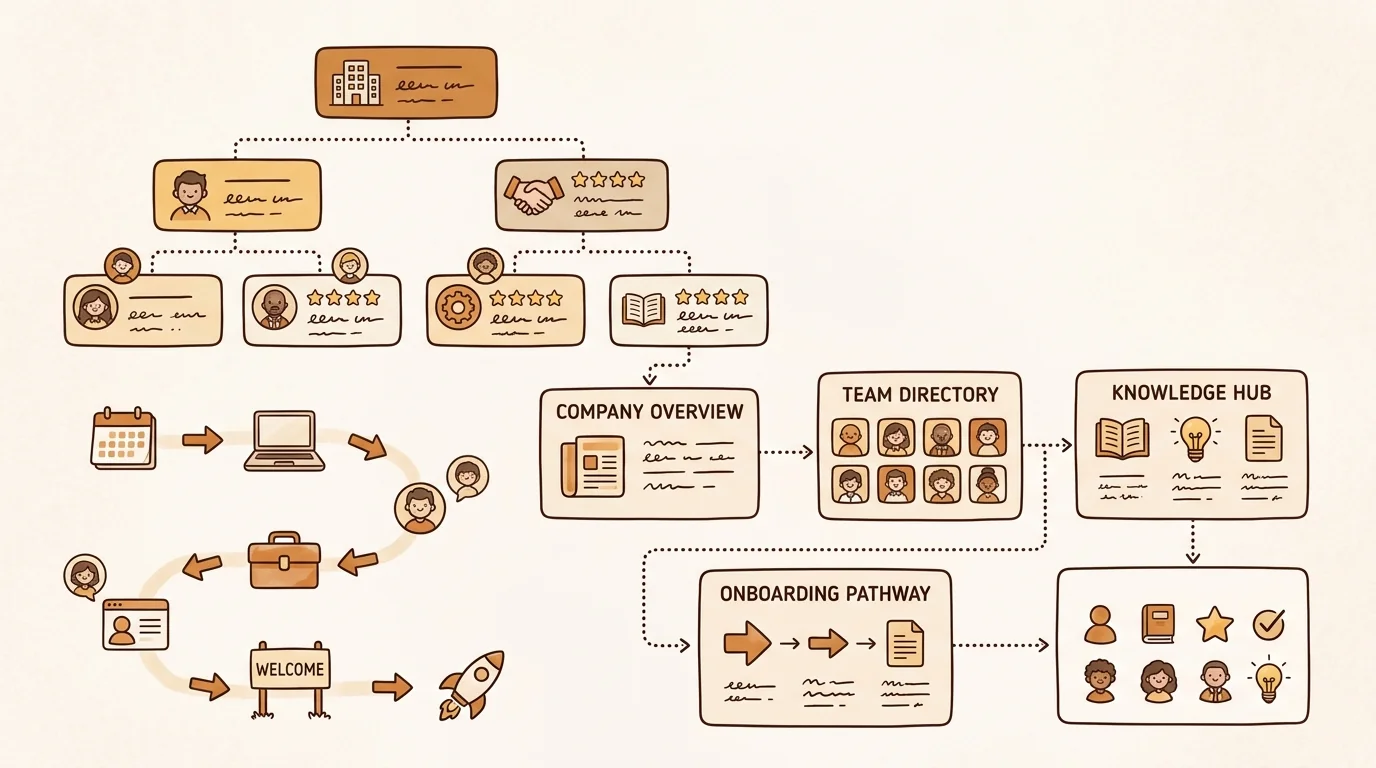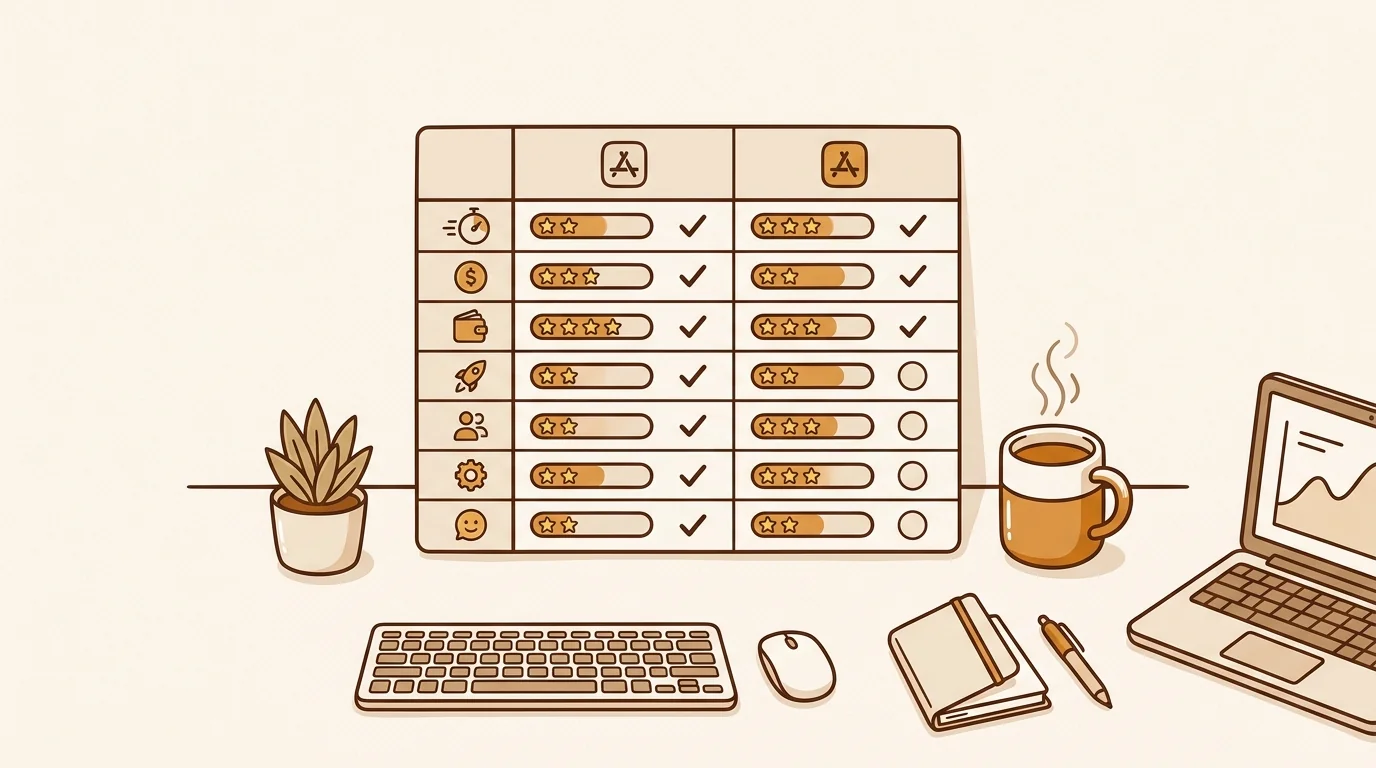
We had a Notion workspace with 400 pages that three people actively maintained and everyone else ignored. We had a shared drive with competitor research from 18 months ago that nobody could find. We had customer interview recordings that had never been transcribed. And we had a Slack channel called #brand-knowledge that was mostly people asking "does anyone have the [thing] from [month]?"
I manage brand and content for a mid-size SaaS company. My team of five creates content, manages brand consistency, tracks competitors, and runs customer research. We're not a large team, and we don't have a dedicated knowledge manager. What we needed was knowledge management software that maintained itself — because nobody had the bandwidth to maintain it manually.
Why Our Previous System Failed
Our Notion setup wasn't bad design. It was reasonable design for a different team — one with the time and discipline to keep it updated. We didn't have that. When the choice was "create new content" or "update the knowledge base," the knowledge base always lost.
The result was the classic knowledge silo problem: information existed across six different people's notes, Google Docs, and email threads, but nobody could find anything reliably. New team members spent their first two weeks asking questions that were answered somewhere in the system — just not anywhere they could find.
The specific bottleneck was research content: competitive analysis interviews, customer interviews, conference talks from industry events. All of it existed as recordings that nobody had transcribed. That content represented months of work, and it was functionally inaccessible.
What Changed With sipsip Mindverse
sipsip's Transcriber handled the backlog first. We had 34 customer interview recordings and 12 competitor analysis calls sitting in a shared drive. I processed all 46 through Transcriber over two days. Total active time: about 90 minutes. The rest was waiting for transcription to complete.
Mindverse's distillation layer processed each transcript and extracted:
- Key customer pain points mentioned
- Competitor features and positioning claims customers referenced
- Open questions we should follow up on
- Connections between interviews (when multiple customers mentioned the same thing)
That last part turned our 46 isolated recordings into a connected knowledge base about our customers and market. Topics that came up in five separate interviews were automatically linked — I could see patterns we'd individually captured but never synthesized.
How the Team Uses It Now
Customer interviews: All calls are recorded (with consent), uploaded to sipsip after, and processed automatically. The distilled output goes into a shared Mindverse workspace. Anyone on the team can query "what do customers say about [competitor feature]?" and get answers grounded in actual interview data.
Competitor research: When someone on the team watches a competitor demo recording or attends a competitive briefing, they process it through Mindverse. The distillation extracts positioning claims, feature announcements, and pricing signals. Our competitive intelligence is now current rather than 18 months stale.
Content research: When a content writer is researching a new article, they process the relevant source material (expert interviews, industry talks, research papers) through sipsip before writing. The distilled output informs the article structure without requiring the writer to take manual notes during research.
Brand briefings: New team members get access to the Mindverse knowledge base on day one. Instead of reading 400 Notion pages, they query it: "what's our positioning vs. [competitor]?" "what do customers say is our strongest feature?" The answers are grounded in real data, not someone's written interpretation of it.
What We Stopped Doing
We stopped trying to maintain the Notion knowledge base as a primary source of truth. It still exists as a structured project management tool, but the knowledge layer moved to Mindverse.
We stopped having the "#brand-knowledge does anyone have the thing" problem — 80% of those questions are now answerable with a Mindverse query.
We stopped losing customer insights to the recording graveyard. Every interview we do now is processed and searchable within 24 hours.
Related: What Is a Knowledge Management System? A Technical Guide for 2026 Complete Guide: Knowledge Management: The Complete Guide for 2026
The distillation layer is what made the difference. Storing transcripts is easy. Extracting what the transcripts actually say, at scale, without manual effort — that's what knowledge management software should do.
Start your team's knowledge base at sipsip.ai — the free tier supports enough to validate the workflow before committing.
Frequently asked questions

Our team was drowning in competitor research, interview recordings, and brand guidelines nobody could find. sipsip Mindverse became the knowledge management software that actually got used.