The speaker, Laura Vanderkam, a time management expert, challenges common assumptions about time management. She debunks the idea that saving small bits of time here and there will magically create enough time for important activities. Instead, she argues that we don't build the lives we want by saving time; we build the lives we want, and then time saves itself.
Vanderkam illustrates this point with an anecdote about a busy woman whose water heater broke, flooding her basement. This unexpected crisis forced her to find seven hours in her week to deal with the emergency. Vanderkam notes that if asked beforehand, the woman would likely have claimed she had no spare time for a triathlon or mentoring. This demonstrates that time is elastic; it stretches to accommodate what we prioritize.
The key to effective time management, according to Vanderkam, is to treat our priorities with the same urgency as a broken water heater. She learned this from an incredibly busy woman who ran a business, had six children, and still made time for a hike on a beautiful morning. This woman explained that every minute she spent was a choice, and instead of saying "I don't have time," she would say "I don't do x, y, or z because it's not a priority." Vanderkam emphasizes that "I don't have time" often truly means "It's not a priority." Recognizing this empowers us to make conscious choices about how we spend our time.
To identify these priorities, Vanderkam suggests two strategies. For professional goals, she recommends writing next year's performance review now, imagining it has been an amazing year and listing three to five key accomplishments. For personal goals, she advises writing next year's family holiday letter, detailing three to five amazing things that happened in your personal life. These exercises generate a list of six to ten goals.
Once priorities are identified, they need to be broken down into actionable steps. For example, if you want to write a family history, start by reading other family histories, then plan interviews with relatives. If you want to run a 5K, find a race, sign up, and create a training plan.
The crucial next step is to schedule these priorities first. Vanderkam suggests using Friday afternoons, a "low opportunity cost" time, to plan the upcoming week. Create a three-category priority list: career, relationships, and self, with two to three items in each. Then, look at the week ahead and intentionally schedule these priorities.
Vanderkam acknowledges that some lives are harder than others, but she emphasizes the abundance of time available. There are 168 hours in a week. Even with a full-time job (40 hours) and eight hours of sleep per night (56 hours), that leaves 72 hours for other activities. Even working 60 hours a week still leaves 52 hours. She points out that people often overestimate their work hours, suggesting there's more time than we realize.
Finally, Vanderkam encourages using small moments for "bits of joy" instead of mindlessly scrolling on phones or watching TV. Reading on a commute, meditating during a work break, or having family breakfast if dinner is impossible are examples. She concludes by reiterating that we have plenty of time for what matters, and by focusing on those priorities, we can build the lives we desire.
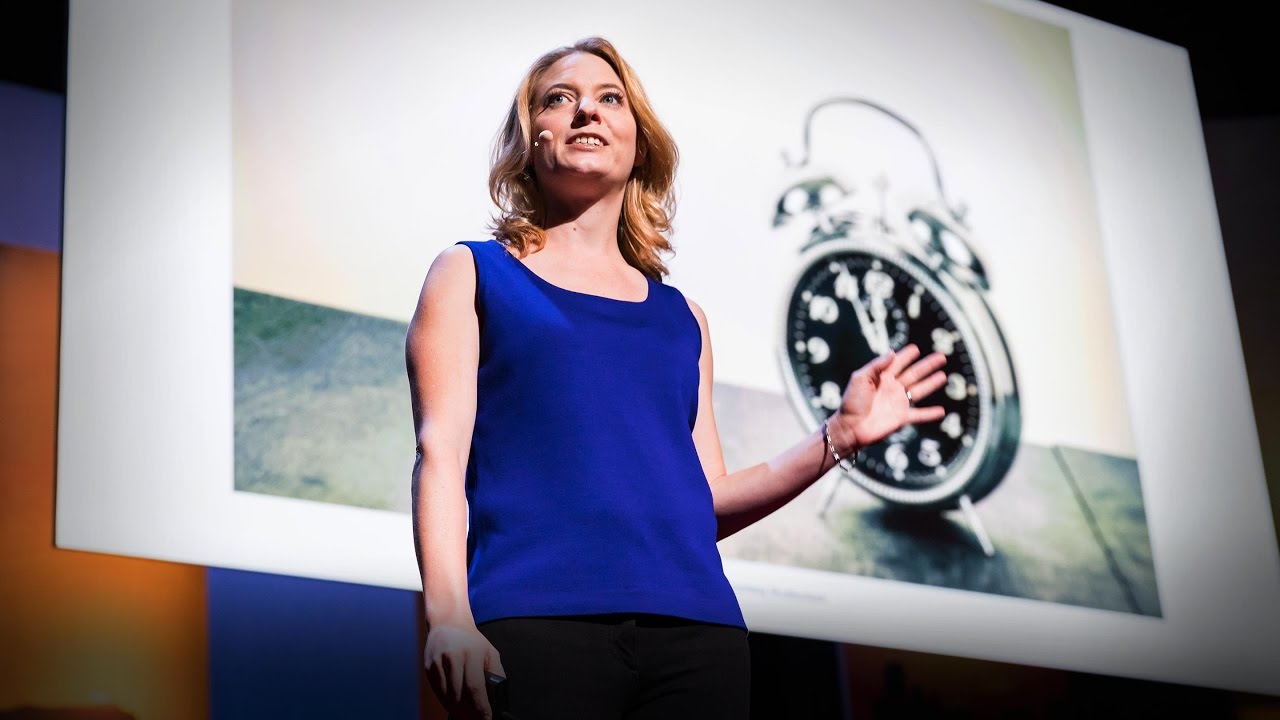
How to gain control of your free time | Laura Vanderkam | TED
Summary·translated·TED
Shared by Wendy
Comments
Sign in to leave a comment.
No comments yet. Be the first to share your thoughts!