Use cases
Real stories and workflows by our users
I Research 50 YouTube Channels a Month. Here's How I Actually Archive and Analyze the Video Content.
As a YouTube content researcher, I need to capture, archive, and analyze video content from dozens of channels simultaneously. Getting the content into a format I can actually work with — searchable, quotable, referenced by timestamp — is the whole job.
I Research Media Across Six Languages. Here's How I Turn YouTube Into Searchable Research Material.
As a language and media researcher, YouTube is my primary source for authentic spoken content across six languages — interviews, news segments, cultural commentary. Getting that content into a format I can actually analyze systematically took me two years to figure out. Here's the workflow.
I Cover Eastern Europe From the US. Here's How I Monitor Russian-Language Sources.
As a digital journalist covering Eastern European politics and business, I need to work with Russian-language media daily — state broadcasts, independent outlets, Telegram channels, and recorded press conferences. Here's the workflow that makes it possible without being fluent in Russian.
I Track German Consumer Trends for European Client Reports. Here's My Translation Workflow.
As a content strategist covering European markets, I work with German-language brand content, consumer interviews, and industry reports weekly. Translating German to English used to be a bottleneck. Now it takes 10 minutes instead of an afternoon.

I Read French Academic Papers Every Week. Here's How I Finally Stopped Losing Hours to Translation.
As a PhD candidate in cognitive science, I work with French-language research constantly — journals, conference proceedings, interview recordings. Getting usable English from French audio and text used to take most of my afternoon. It doesn't anymore.
My Team Works in English and Korean. Here's How I Translate Research Without Losing Nuance.
As a research operations manager coordinating work between a US team and Korean partners, I translate English research, meeting notes, and reports into Korean constantly. Getting Korean-language content that reads naturally — not like a translated document — took time to figure out.
I Localize English Tech Content for German-Speaking Clients. Here's What I've Learned After 200 Projects.
As a multilingual tools researcher working with European technology companies, translating English to German is a daily requirement — product documentation, marketing content, technical comparisons. Here's the workflow and the mistakes that taught me it.
I Produce a Bilingual Podcast With a Spanish-Speaking Co-Host. Here's My Translation Workflow.
My podcast co-host records in Spanish. Our audience is primarily English-speaking. Every episode involves translating Spanish audio to English — for show notes, transcripts, and audience accessibility. Here's the workflow that makes this sustainable.
I Record Every Client Presentation on My Mac. Here's the Setup That Gets Me Clean Transcripts.
As a video production specialist, I record every client call, brief, and presentation — both to protect myself and to reference exactly what was said. Getting those screen recordings into searchable, quotable text is the part most people don't have a good system for.
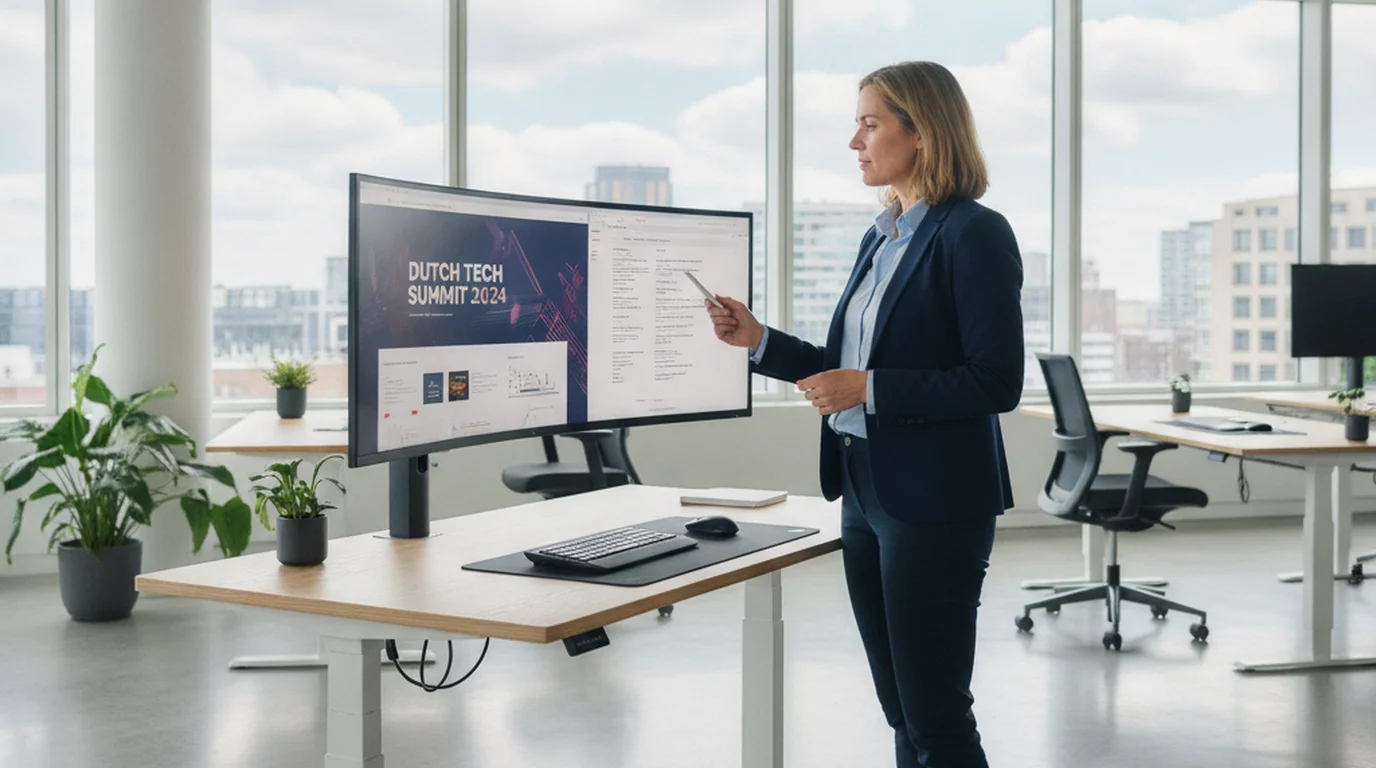
I Track the Dutch Tech Ecosystem for AI Research Reports. Here's How I Handle Dutch-to-English Translation.
The Netherlands has a disproportionately large technology sector — ASML, Booking.com, Adyen, NXP, Philips — and a Dutch-language media and research ecosystem that covers it in depth. As an AI research analyst, getting that content into English is a regular part of my workflow.
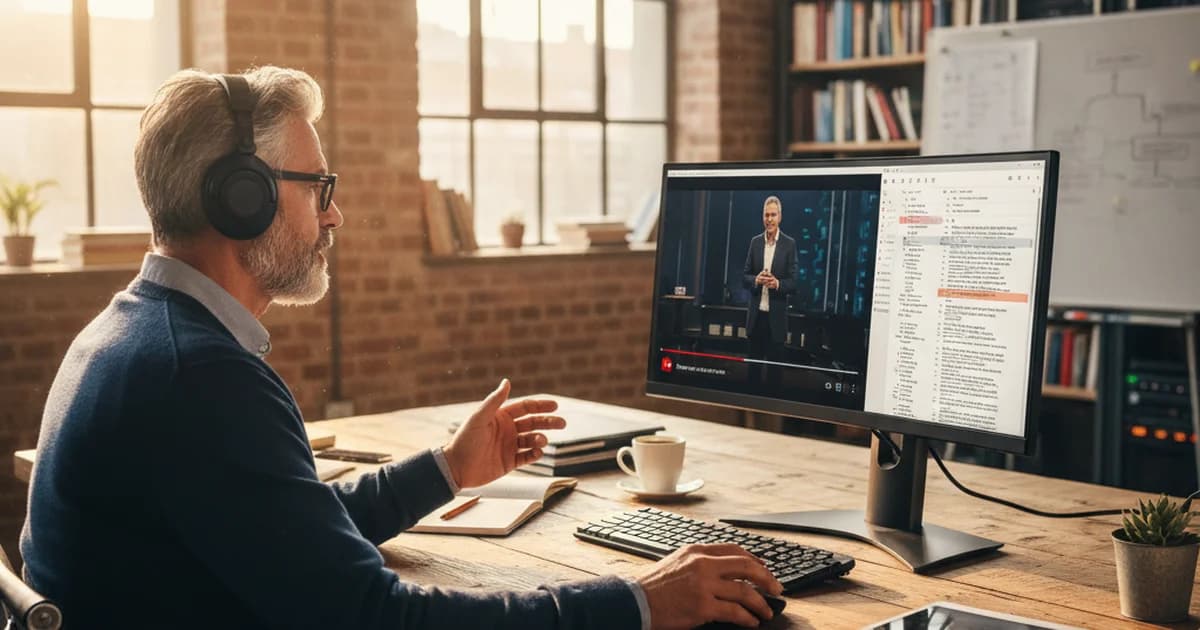
YouTube Video to Transcript: A Dev's Workflow
Lukas Müller, a senior software engineer in Berlin, converts every tech keynote and developer talk to text so he can search and reference them instantly. Here's the exact workflow he uses.
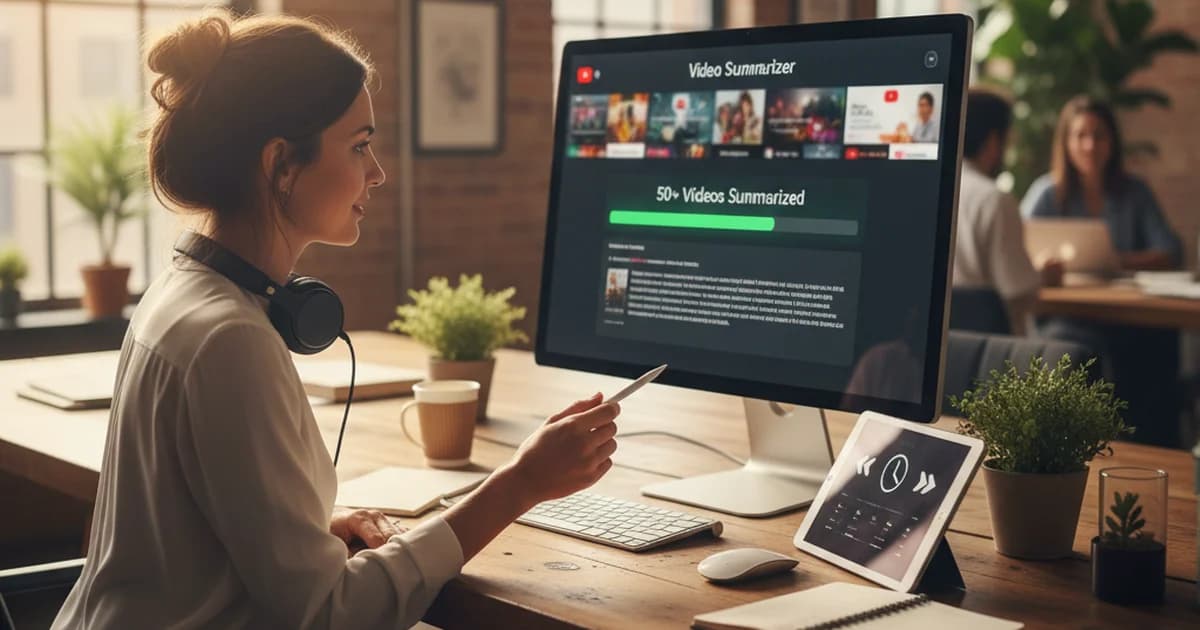
YouTube Video Summarizer: How I Screen 50+ Videos a Week
I used to spend two full days every week watching competitor YouTube videos. Now I screen 50+ in the time it used to take to watch five — here's the exact workflow I use.
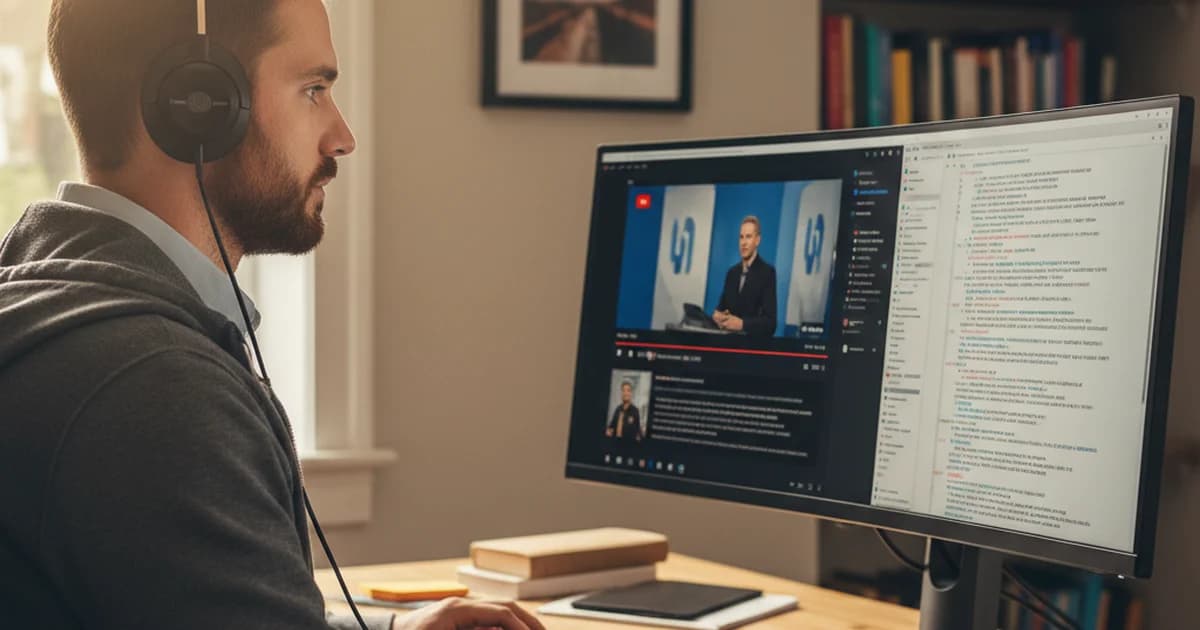
YouTube to Transcript: How I Study English Tech Talks
I'm a software developer learning English through tech talks on YouTube. Converting YouTube videos to transcripts changed how I actually retain what I hear — here's the exact workflow I use.
Transcription Audio to Text: A Real Research Example
PhD candidate Amelia Scott walks through her exact workflow for transcribing qualitative research interviews — from raw audio to a searchable, citable document. Real steps, real output.
Transcribe Audio to Text Free: My Journalist Workflow
Freelance journalist James Okafor shares how he transcribes every source interview to text for free using sipsip.ai — no per-minute fees, no subscription, and output clean enough to quote directly in published pieces.
I Ditched My Meeting Notes Template for AI
After years of relying on a carefully crafted meeting notes template, I switched to AI-generated notes from sipsip.ai — and the output is faster, more consistent, and actually searchable. Here's what changed.
We Stopped Using a Meeting Minutes Template
For two years I ran every team meeting off the same meeting minutes template. Then we switched to AI-generated minutes — and I stopped touching the template entirely. Here's the exact workflow we use at a 30-person startup.
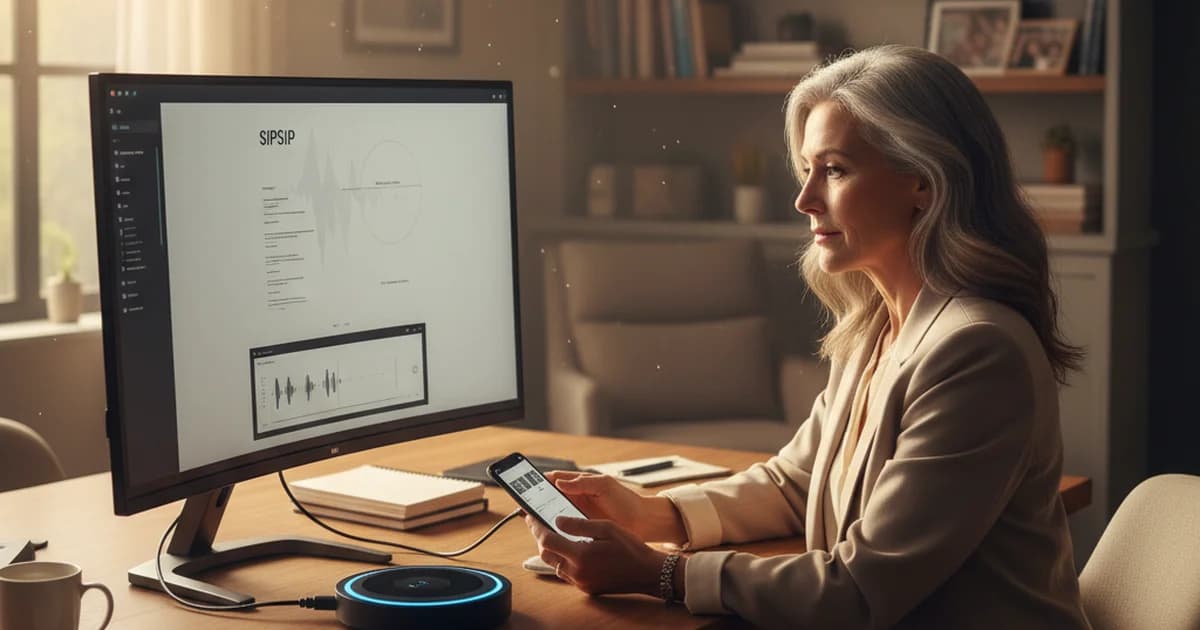
How to Record Calls on iPhone and Get Instant AI Transcripts
Senior PM Liam Carter shares his exact workflow for recording every customer call on iPhone and feeding the audio straight into sipsip for instant transcripts, summaries, and key points — no laptop required.
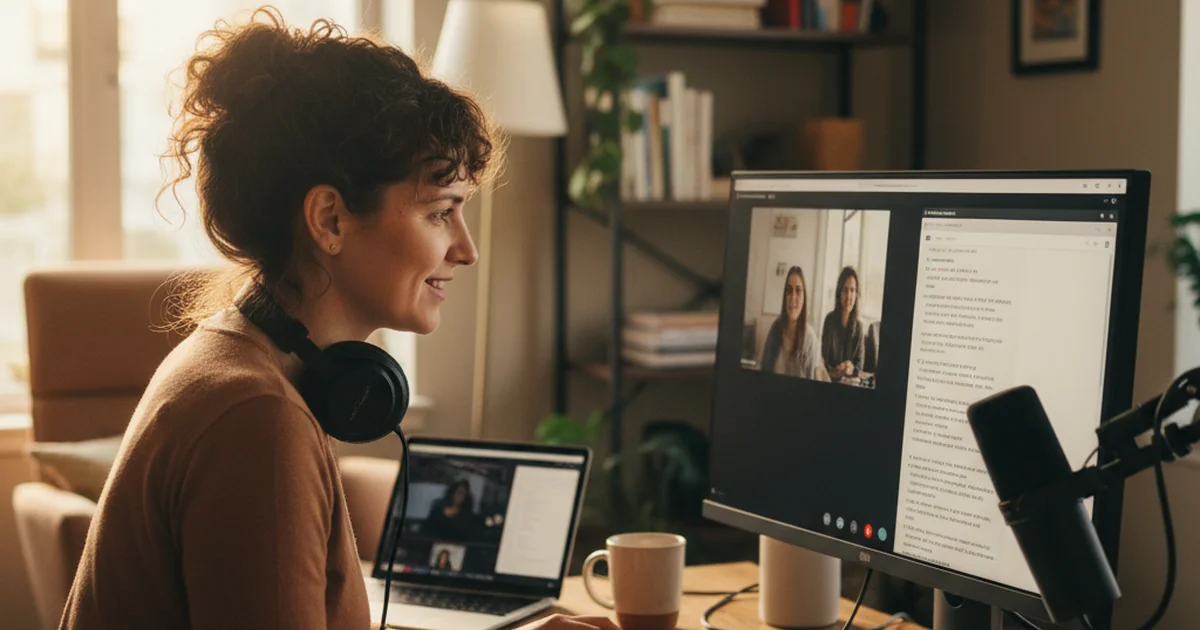
How to Record a Zoom Meeting for Podcast Interviews
Noah Hughes records every podcast interview over Zoom and uses sipsip to get an automatic transcript — no manual note-taking, no missed quotes, just a clean text file ready to edit.
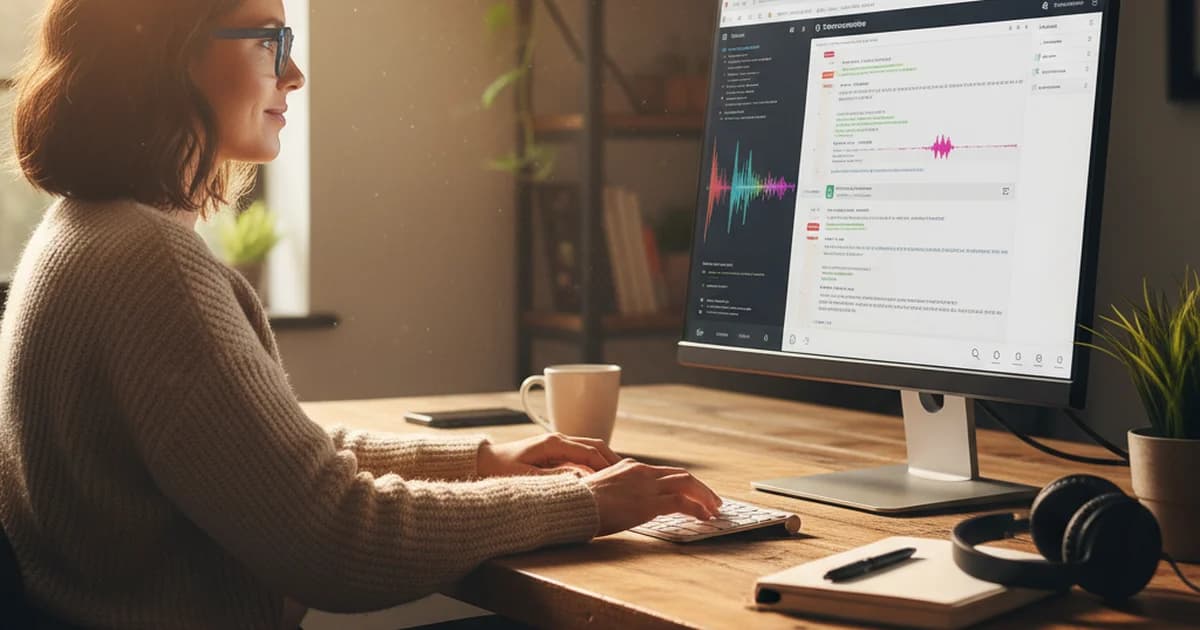
Audio to Text Transcription: My Research Workflow
Market research analyst Sofia Andersson explains how she uses audio to text transcription to turn 30 hours of stakeholder interview recordings into a searchable, quotable research dataset. A first-person walkthrough of her actual process.

I Use YouTube Transcripts to Build Lesson Plans. Here's the 10-Minute Version of a 3-Hour Process.
I teach AP History and spend a huge amount of prep time finding the right video clips and pulling quotes from them. sipsip.ai's YouTube transcript tool cut that prep down from hours to minutes — and made my materials better.
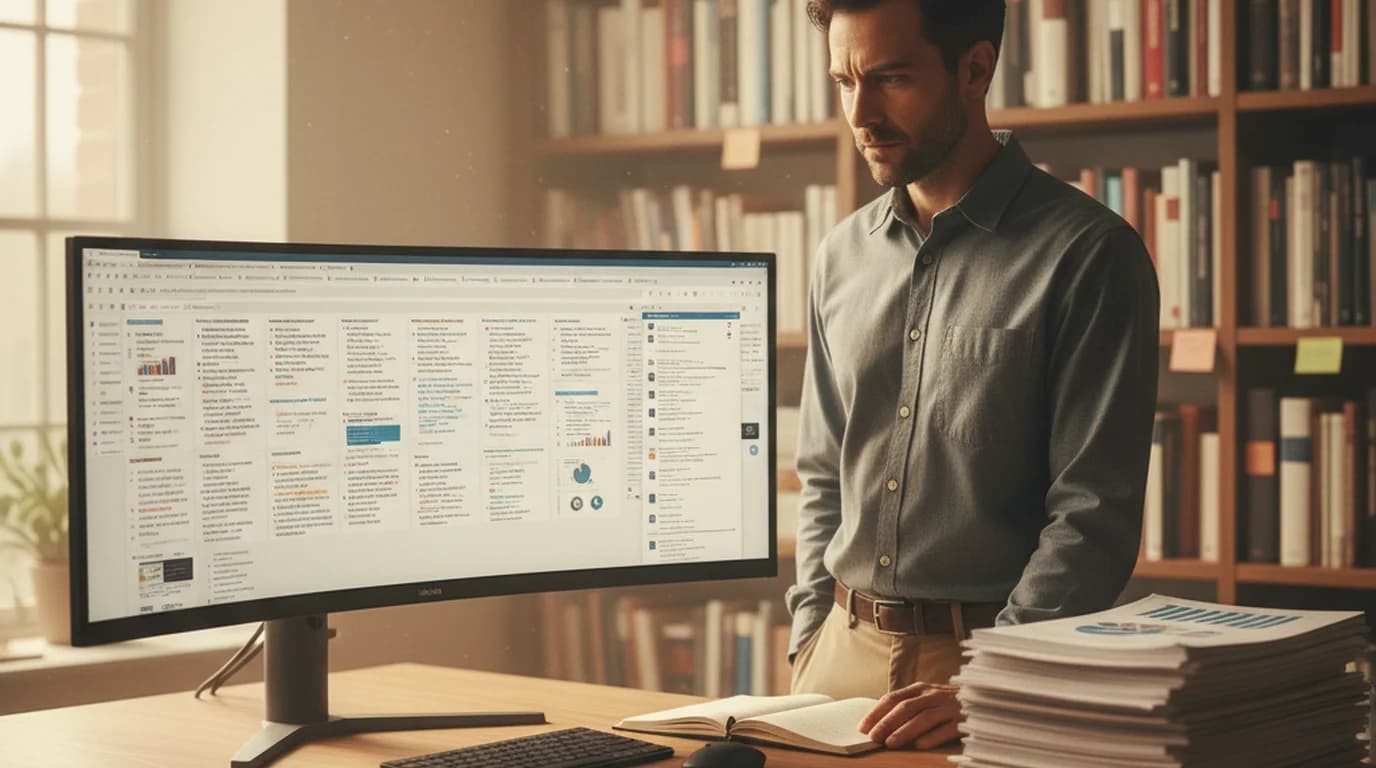
I Track 200 Sources Across 6 Disciplines. Here's How I Read All of It Without Burning Out.
My research touches economics, public health, urban planning, climate policy, sociology, and political science. I can't read everything published. sipsip.ai's web article summarizer lets me stay current across all of it without working 16-hour days.
How I Transcribe 12 User Interview Recordings a Week Without Losing a Single Insight
I'm a UX researcher running 3–4 user interviews a week. Every session is an M4A file on my laptop. Here's the exact workflow I use to turn recordings into usable transcripts, tagged insights, and shareable reports — before the next round of interviews begins.
I Read 40 Papers a Week. Here's How I Actually Keep Up Without Missing Anything.
PhD programs run on reading. I was drowning in PDFs until I found a way to triage them with AI summaries. Now I read smarter — spending depth where it counts and skimming what I don't need.
How We Transcribe Every Video We Produce — With No Transcription Budget
I manage communications for a nonprofit with no line item for transcription software. Here's how we turn every recorded event, board meeting, and advocacy video into searchable text, social captions, and grant documentation — for free.
How I Turned 200 Customer Discovery Calls Into a Searchable Research Archive
I'm a product manager who runs 15–20 customer calls a month. Every one is a recording I can't act on until it's text. Here's the exact system I built to transcribe, tag, and surface insights from 200+ calls — without hiring a research team.
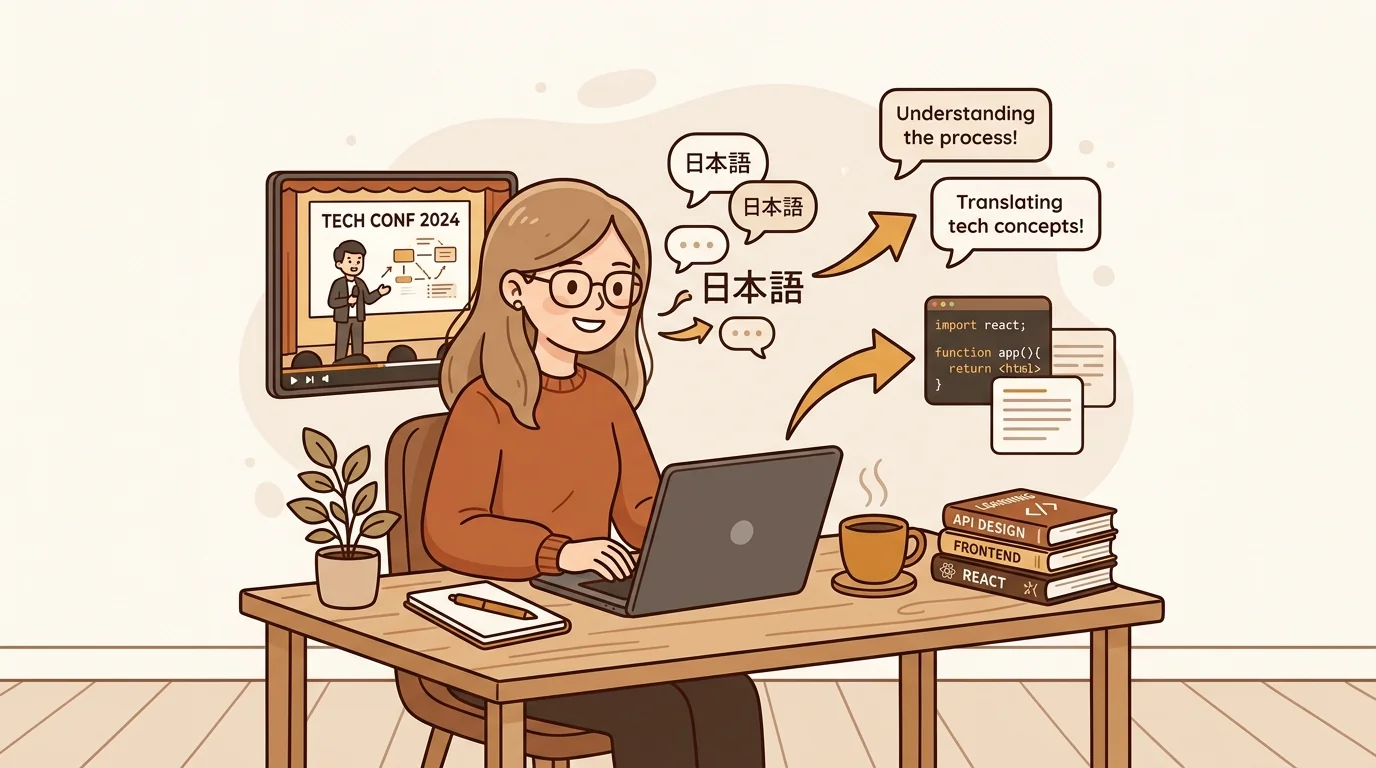
I Used sipsip to Translate Japanese Tech Talks Into English — And Finally Stopped Struggling
Korean developer Jiwon used sipsip to translate Japanese conference talks and Chinese AI papers into English. Now he consumes content he would have skipped entirely before.
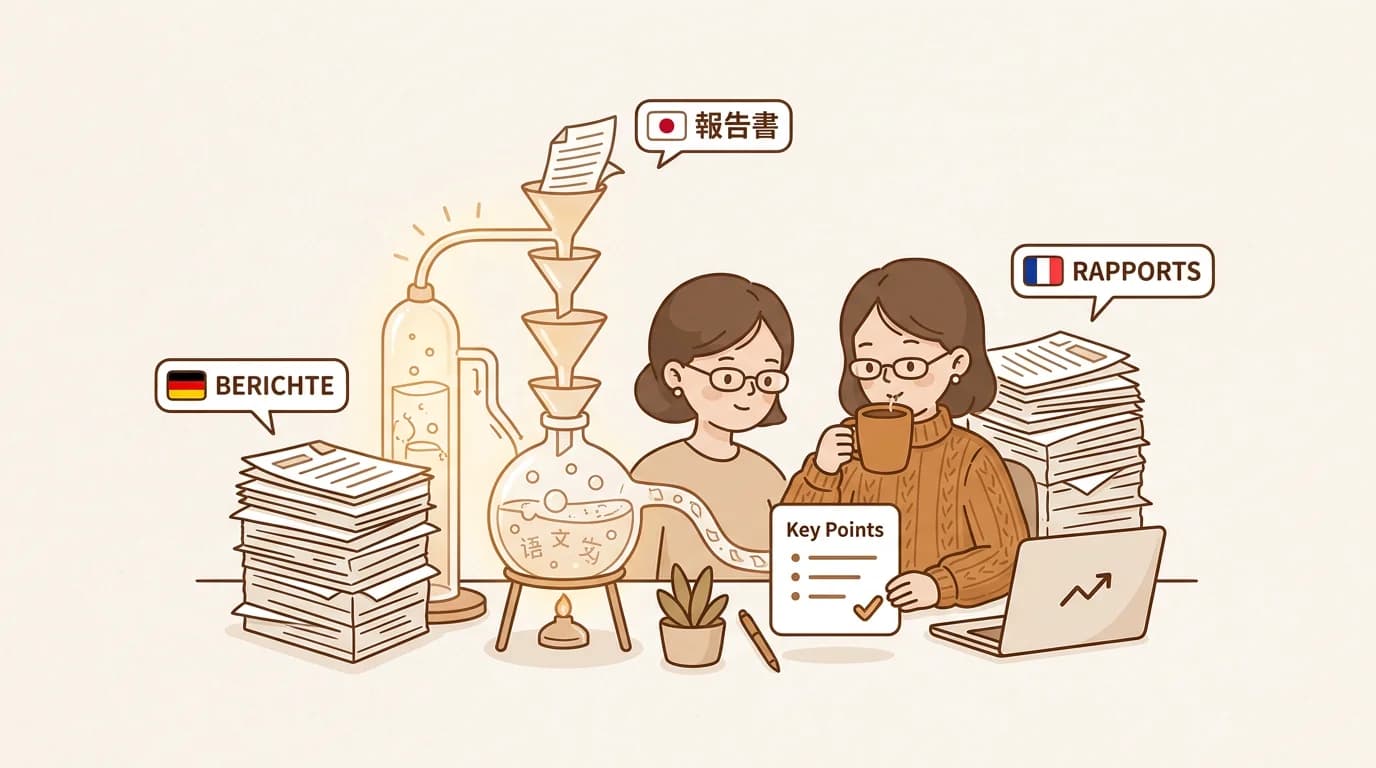
I Research Markets in 6 Languages. sipsip Gives Me the Key Points in Mine.
As a market research analyst, I spend hours every week reading reports that aren't in English. sipsip's translation + distillation feature cut that from hours to minutes.
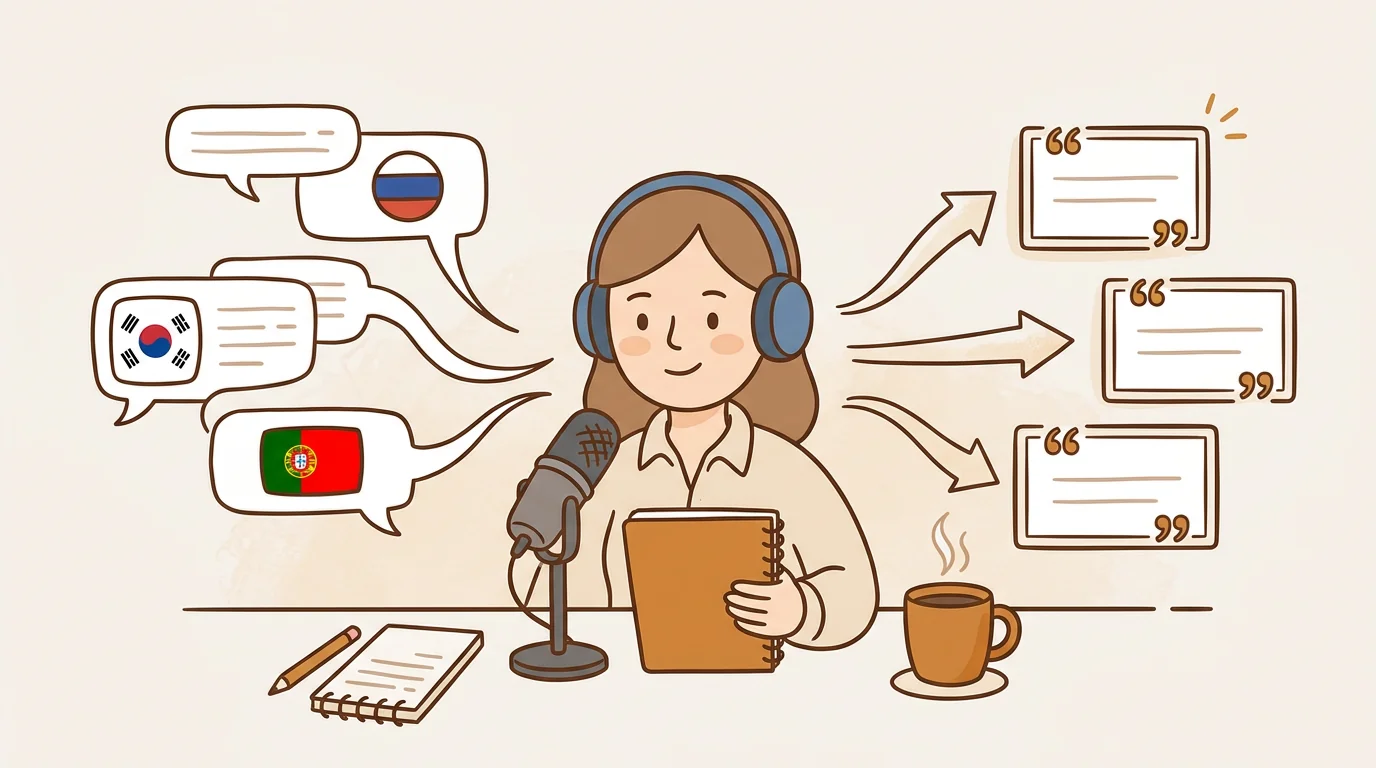
I Cover International Stories. sipsip Translates the Podcasts I Can't Listen To.
As a freelance journalist, half the best sources for international stories are in languages I don't speak. sipsip gives me translated transcripts and key points from foreign-language podcasts in under a minute.
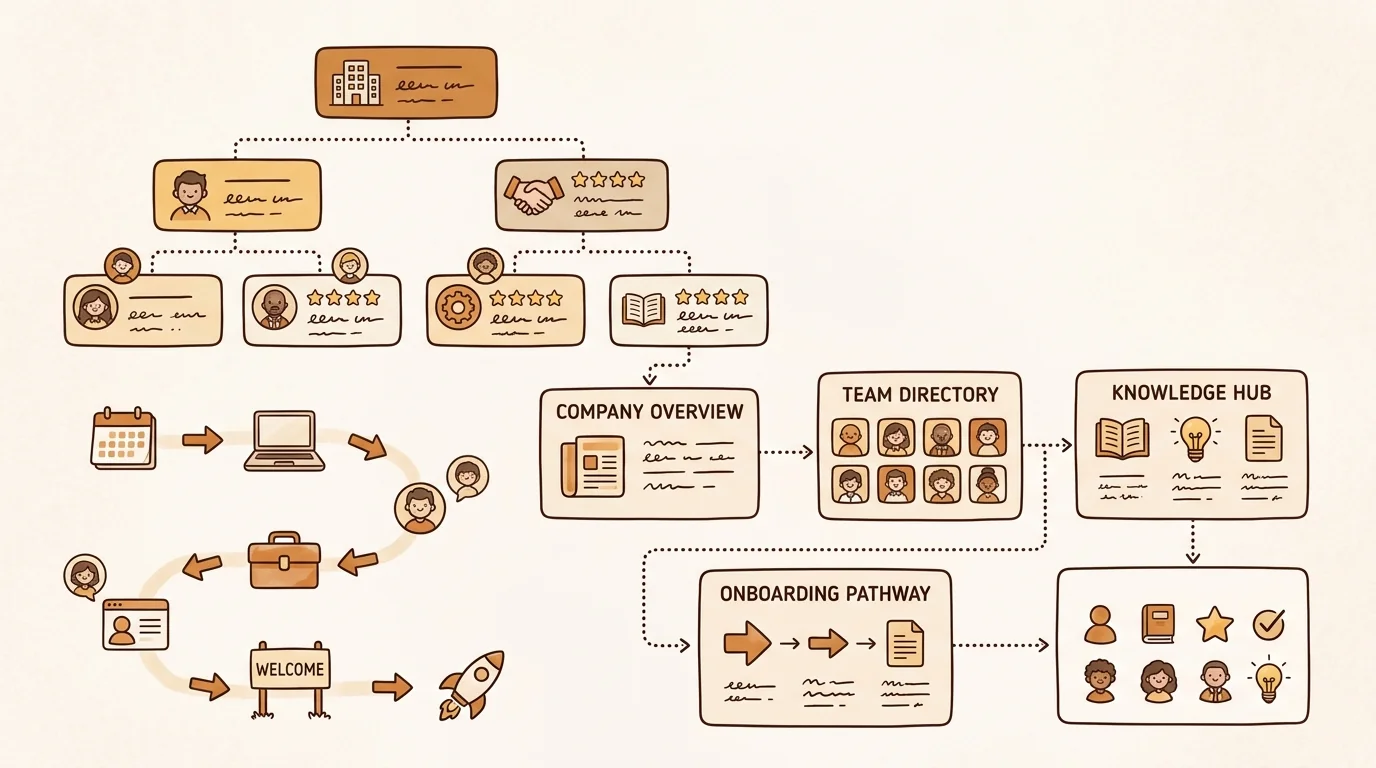
How I Built a Team Knowledge Management System for 30 People in 6 Weeks
Our team doubled in 6 months and our onboarding was chaos. I built a working knowledge management system with sipsip Mindverse — without a dedicated knowledge manager.
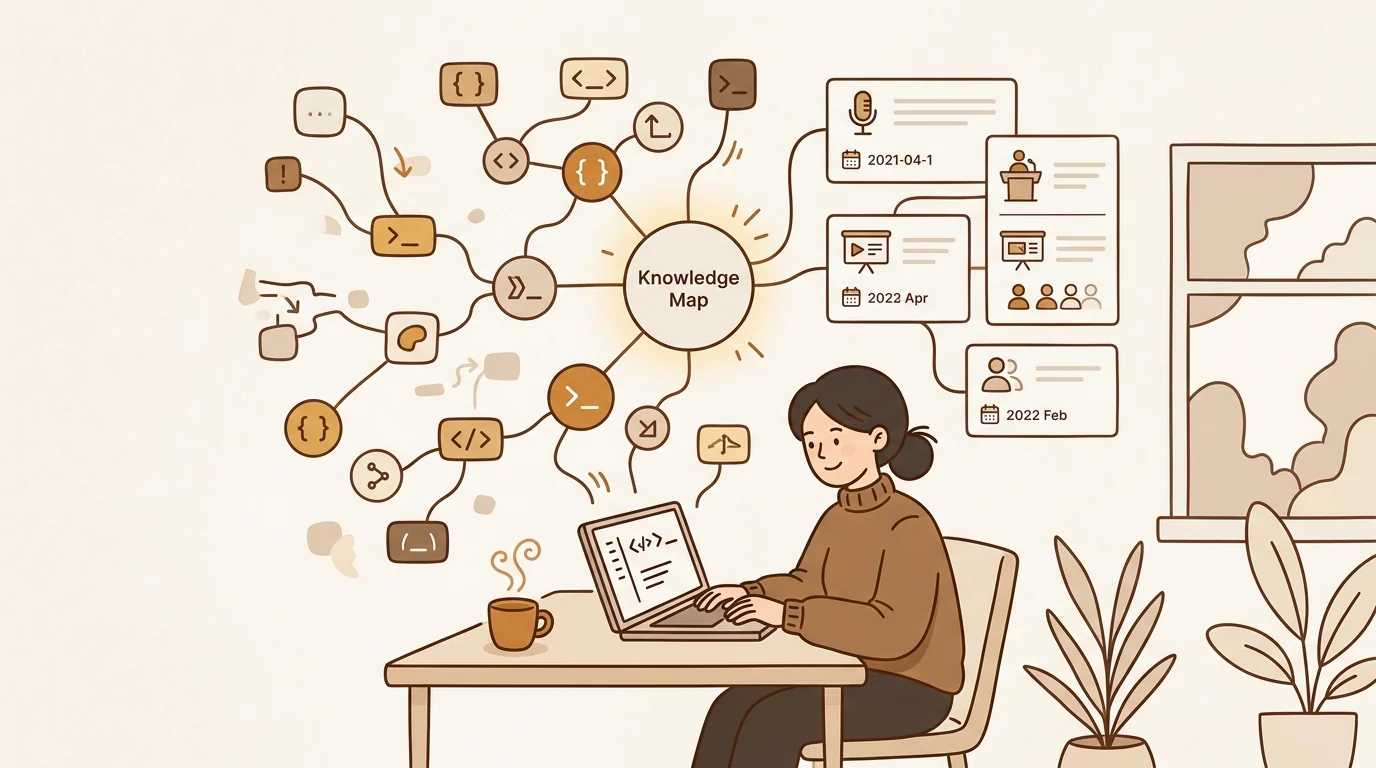
How I Finally Built a Personal Knowledge Management System That Works for Engineers
I spent years losing track of tech talks, architecture decisions, and documentation. sipsip's Mindverse gave me a PKM system that builds itself from the content I already consume.
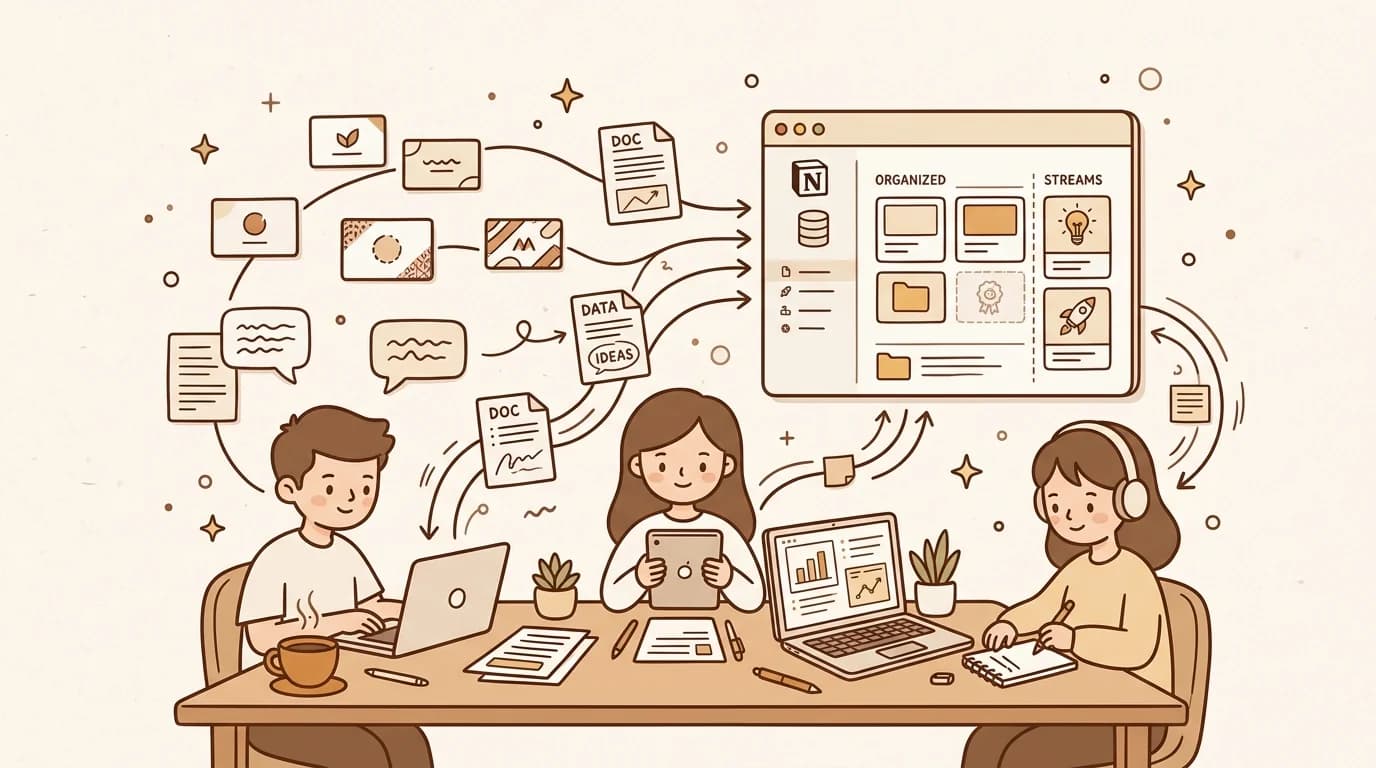
How Our Content Team Eliminated Knowledge Silos With One Piece of Software
Our team was drowning in competitor research, interview recordings, and brand guidelines nobody could find. sipsip Mindverse became the knowledge management software that actually got used.
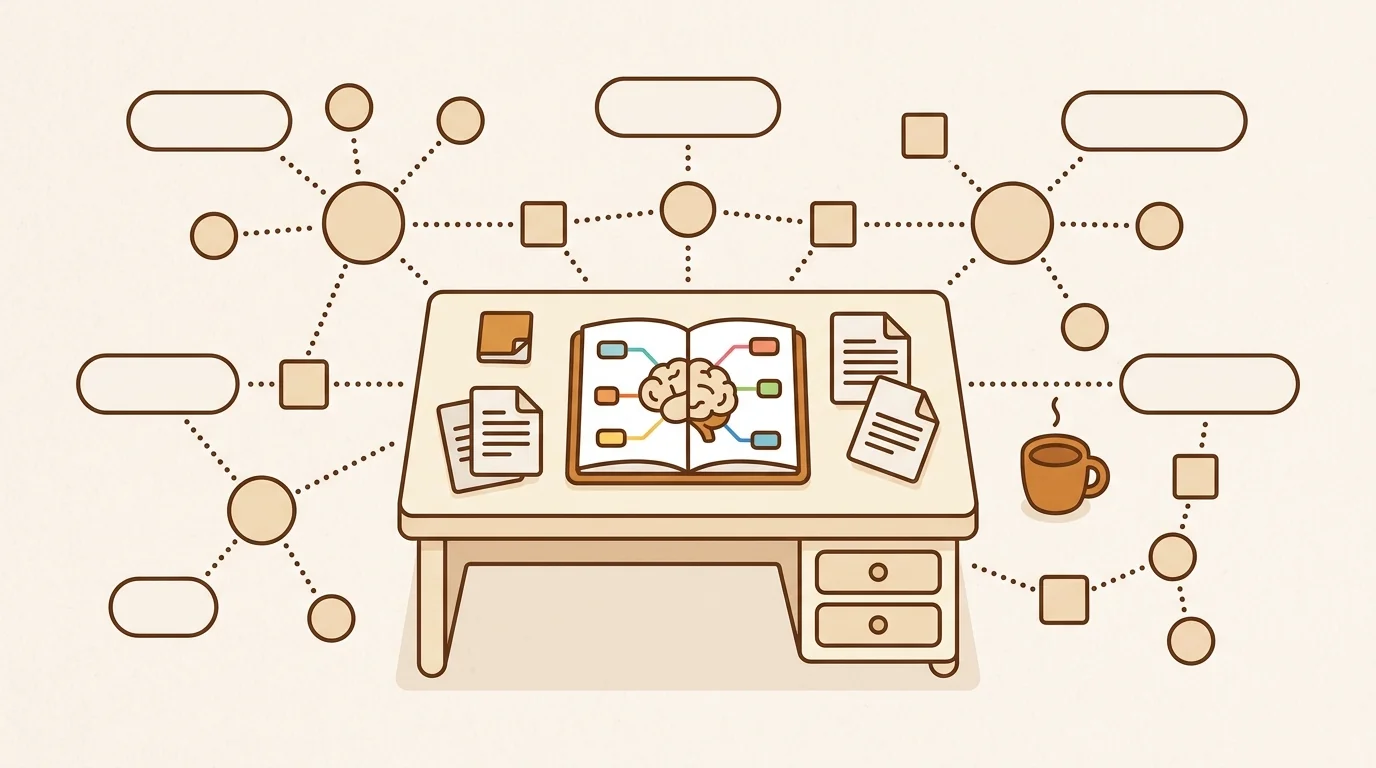
How I Manage 400+ Papers, Talks, and Interviews in My PhD Knowledge Base
Academic research produces enormous volumes of content to track. sipsip Mindverse became my knowledge management system — connecting literature, conference talks, and fieldwork into one searchable base.
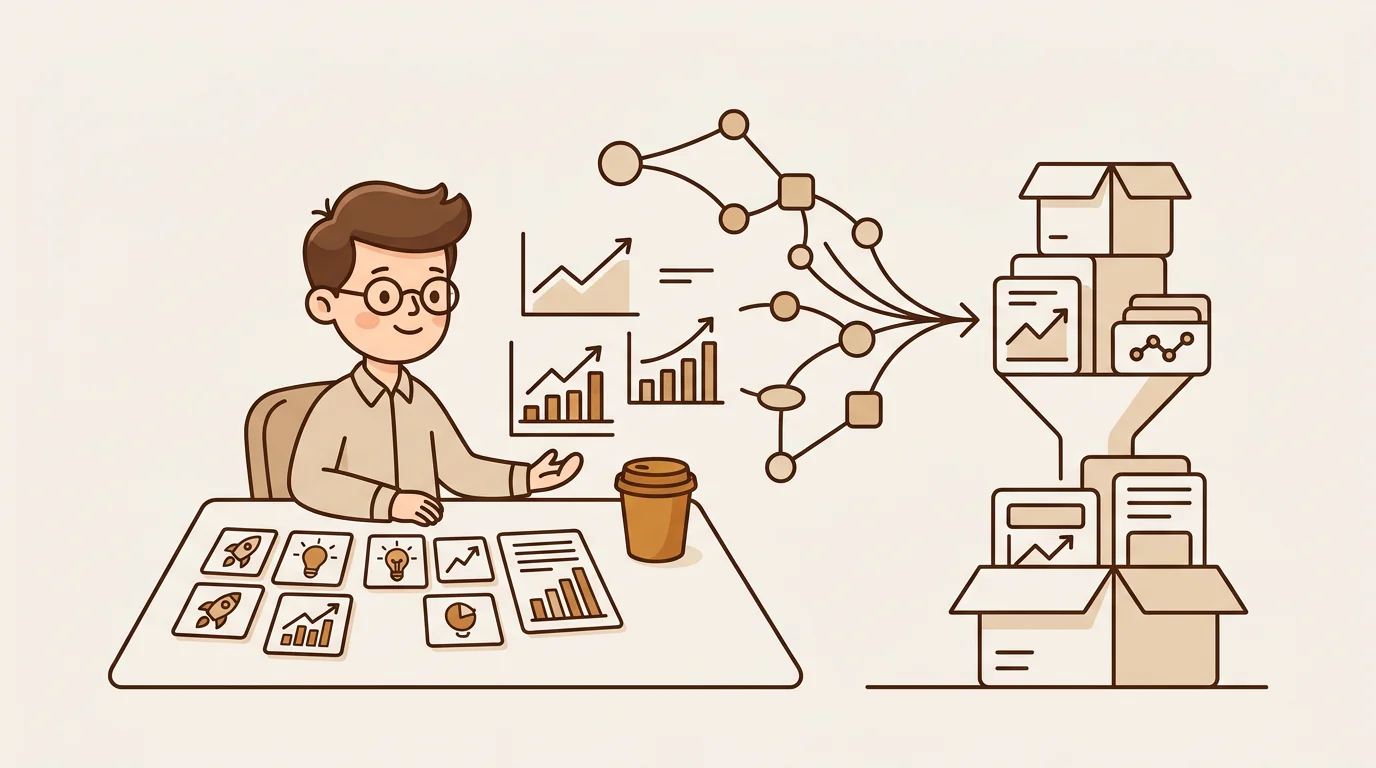
My Knowledge Management Strategy for Tracking 200+ Startups a Year
As an angel investor, I consume enormous amounts of fragmented information. sipsip Mindverse became the knowledge management strategy I'd been trying to build manually for years.
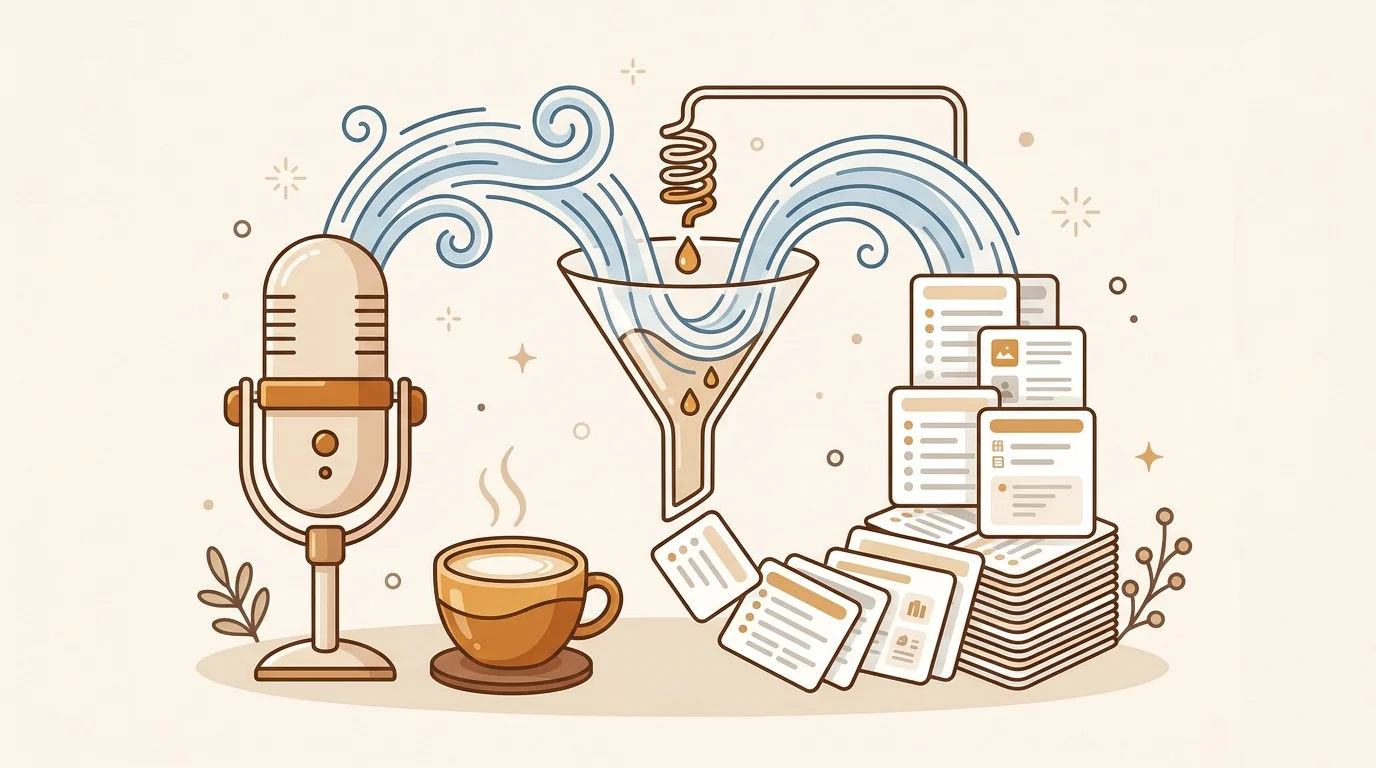
How I Turned 3 Years of Podcast Research Into a Reusable Knowledge Base
Every episode requires hours of research I mostly forget. sipsip's knowledge distillation workflow changed that — my research now compounds instead of disappearing after recording.
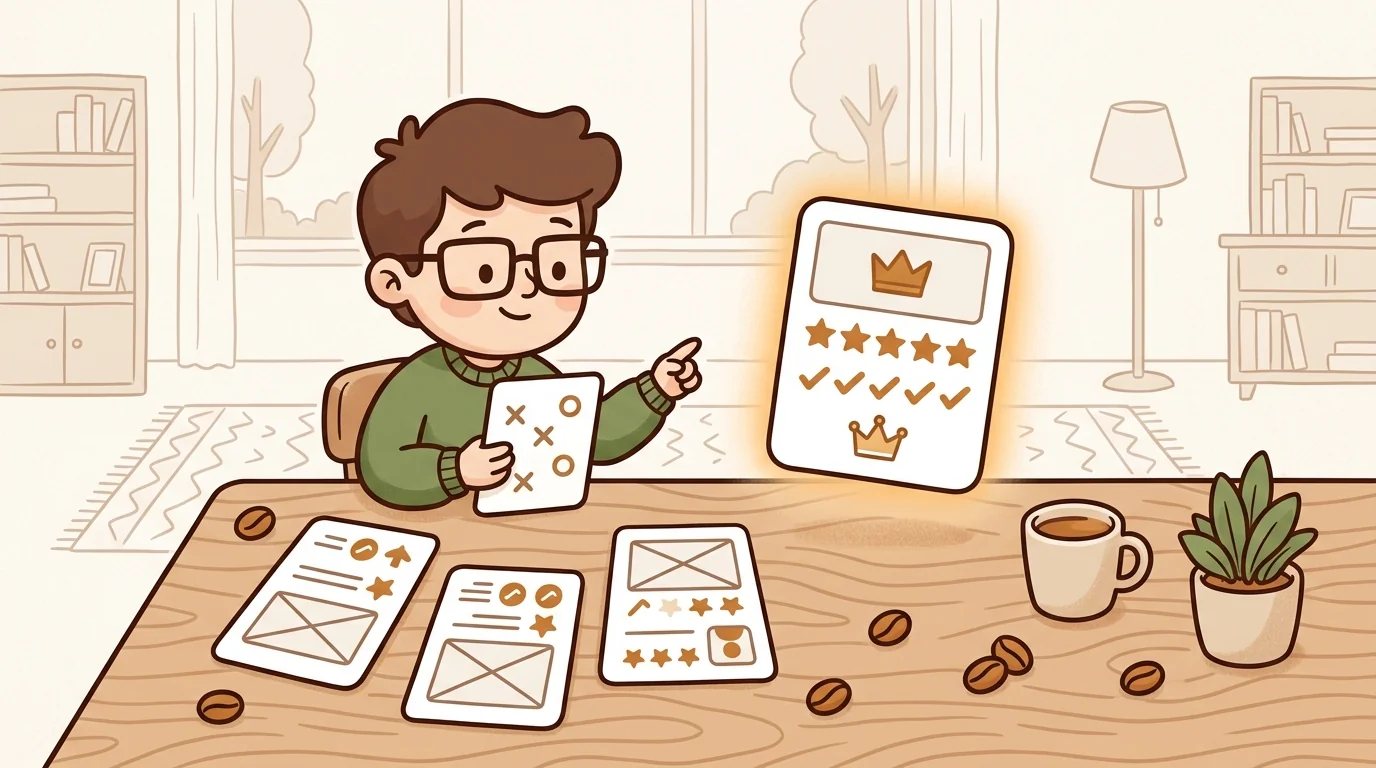
I Tried 11 Knowledge Management Tools. Here's the One I Actually Kept Using.
After six months testing Notion, Obsidian, Roam, Logseq, and seven others, only one knowledge management tool fit how I actually learn as a developer — sipsip Mindverse.
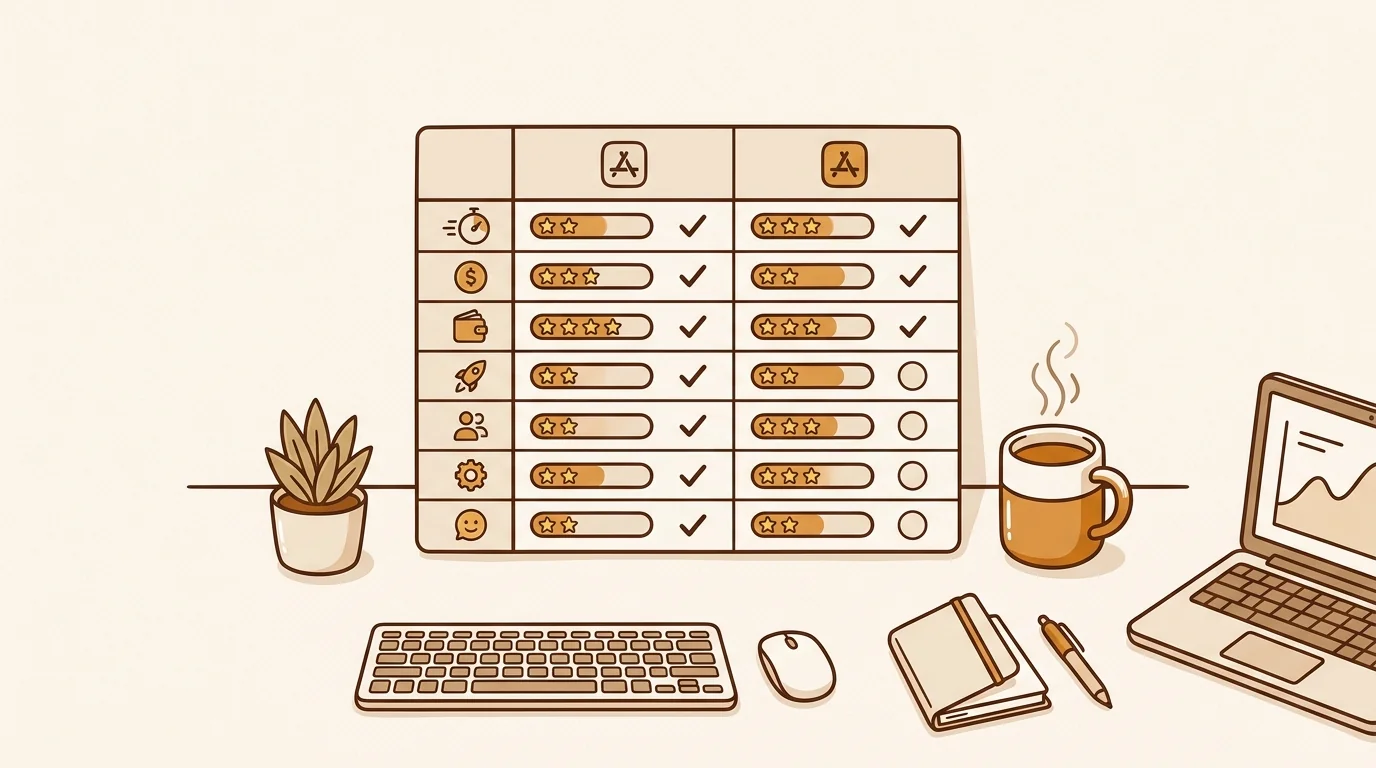
I Evaluated 8 Knowledge Management Platforms. Here's My Analyst-Level Verdict.
I spent three months evaluating the best knowledge management software on the market — scored on capture, processing, retrieval, and total cost. sipsip Mindverse won for my workflow.
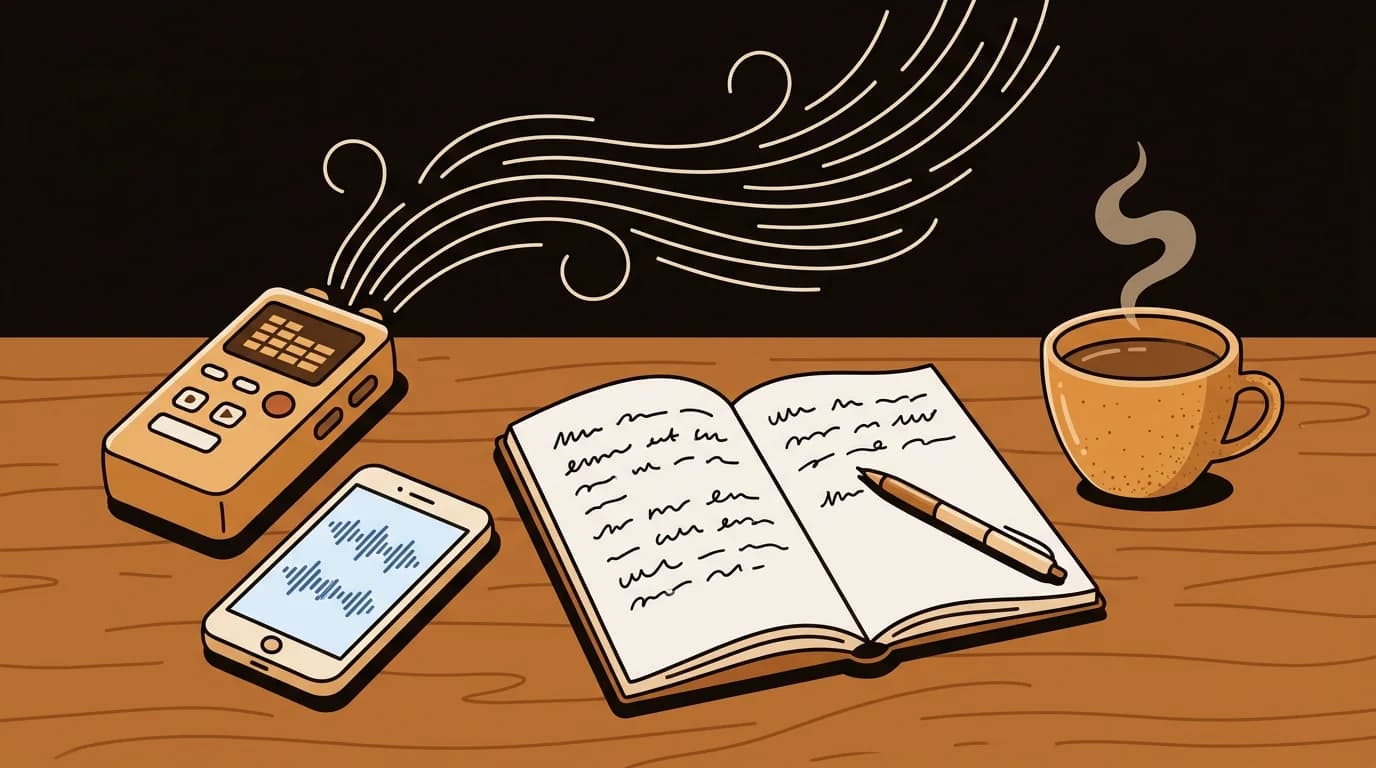
How I Transcribe Every Interview Recording Before My Deadline — Without Losing a Single Quote
I'm a freelance journalist. Every story starts with an MP3 on my phone. Here's the exact workflow I use to get a clean, searchable transcript before I write a single word.
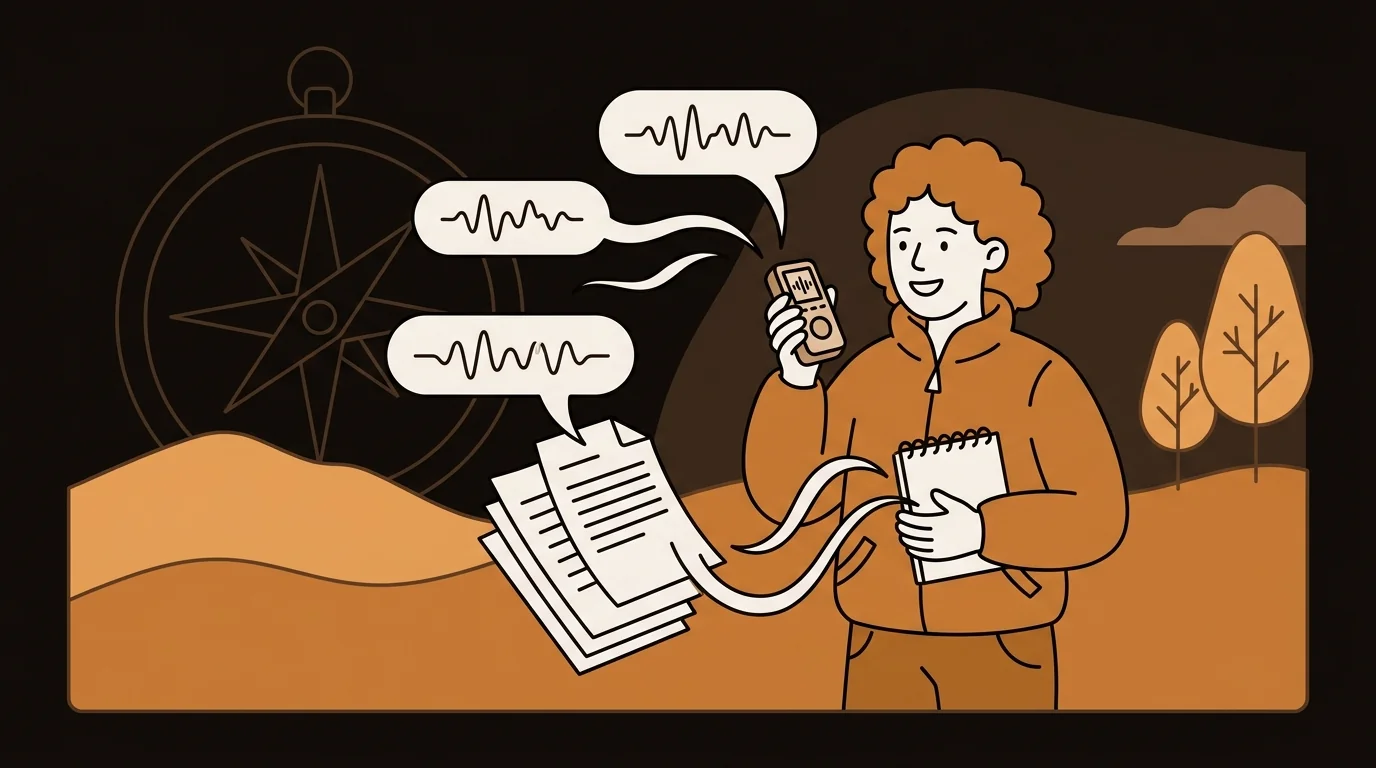
How I Turn 6 Weeks of Field Recordings Into Research Data Without Losing a Single Observation
As a cultural anthropologist, I record everything in the field — informant interviews, group conversations, my own voice notes. AI transcription turned a two-week backlog into same-day searchable data.
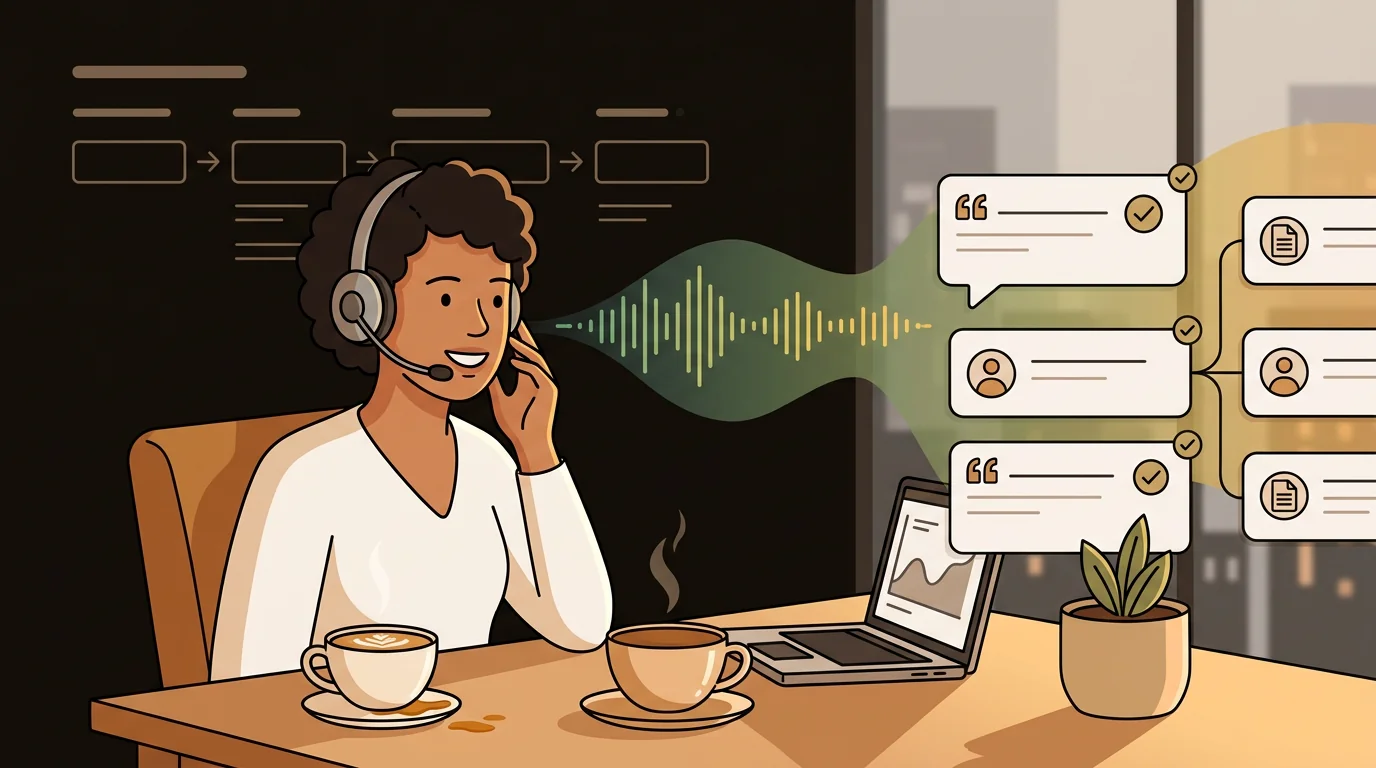
How I Capture Every Customer Discovery Insight Without Taking a Single Note During the Call
I run 12–15 customer discovery calls a week. Recording and transcribing every one changed what I know about our customers — and how fast I can act on what I learn.
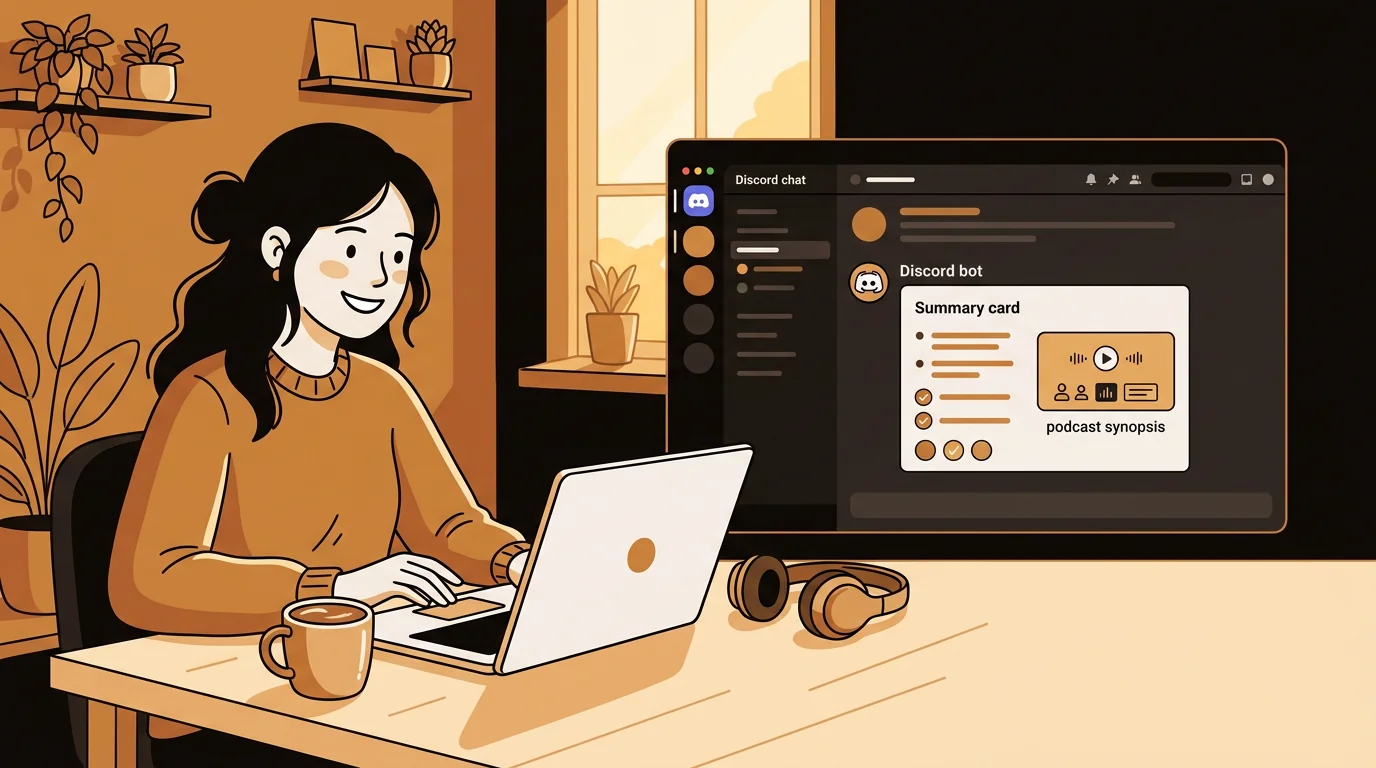
Someone Dropped a 90-Minute Podcast in Our Discord. We Had the Summary in 45 Seconds.
Brand manager Olivia Wilson's team uses /transcribe in their Discord server to instantly summarize any YouTube or podcast link — no more 'I'll watch it later' threads that go nowhere.
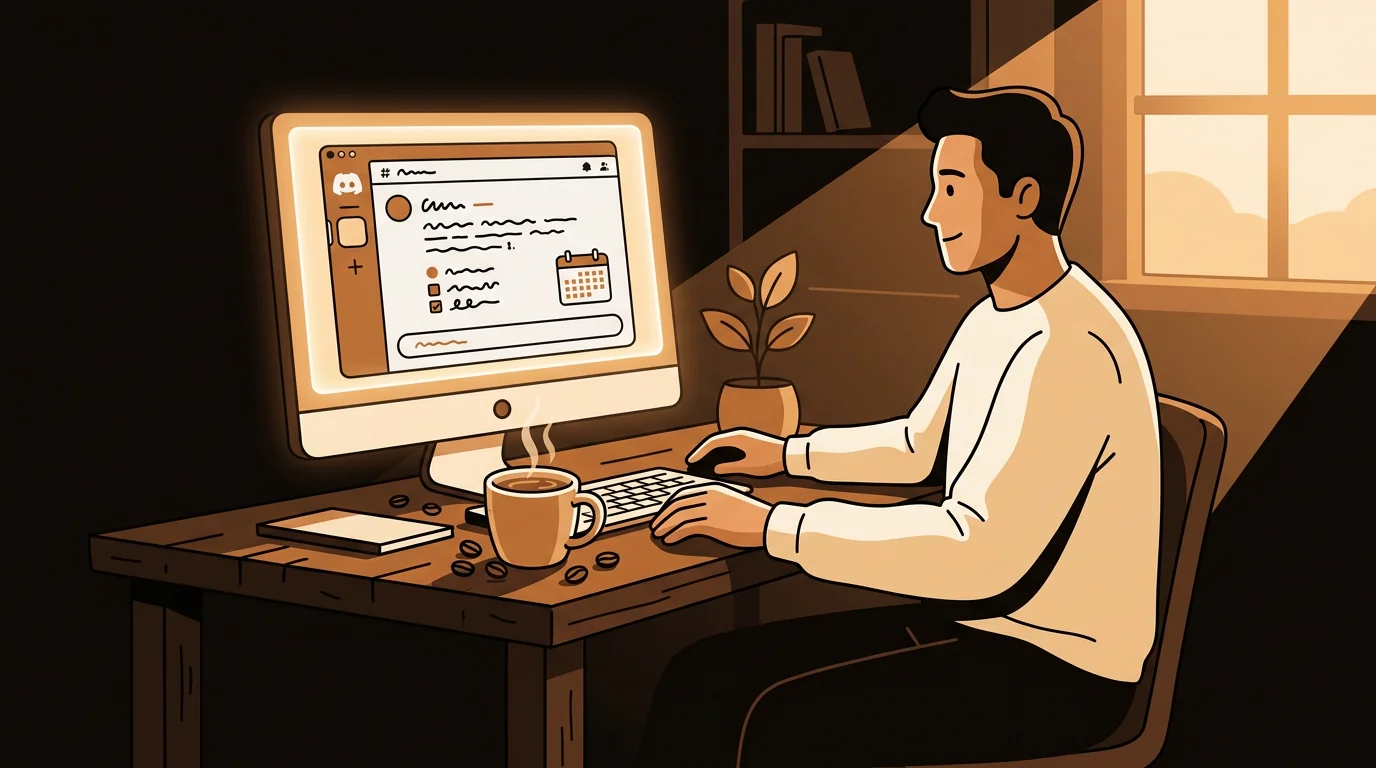
My Daily Brief Stopped Landing in My Inbox. Now It Arrives in Discord, Where I Actually Am.
Angel investor Liam Carter moved his sipsip.ai daily brief from email to Discord — same AI summary, but now it shows up where his morning already lives.
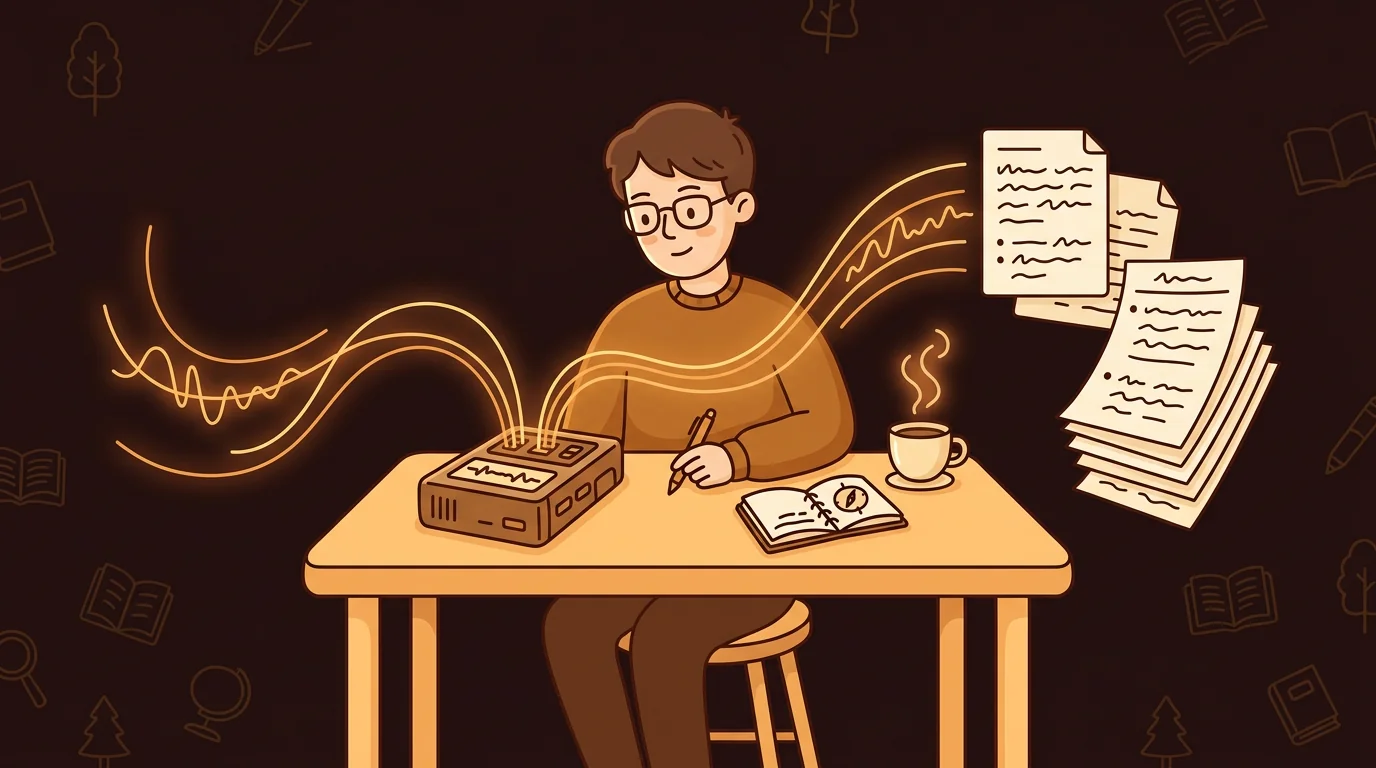
I Had 62 Hours of Field Recordings and a 7-Week Transcription Backlog. Here's How I Cleared It in 4 Days.
Dr. Hiroshi Tanaka is an oral historian who records interviews with elderly community members across four countries and four languages. An audio transcriber turned a seven-week backlog into a four-day editing task.
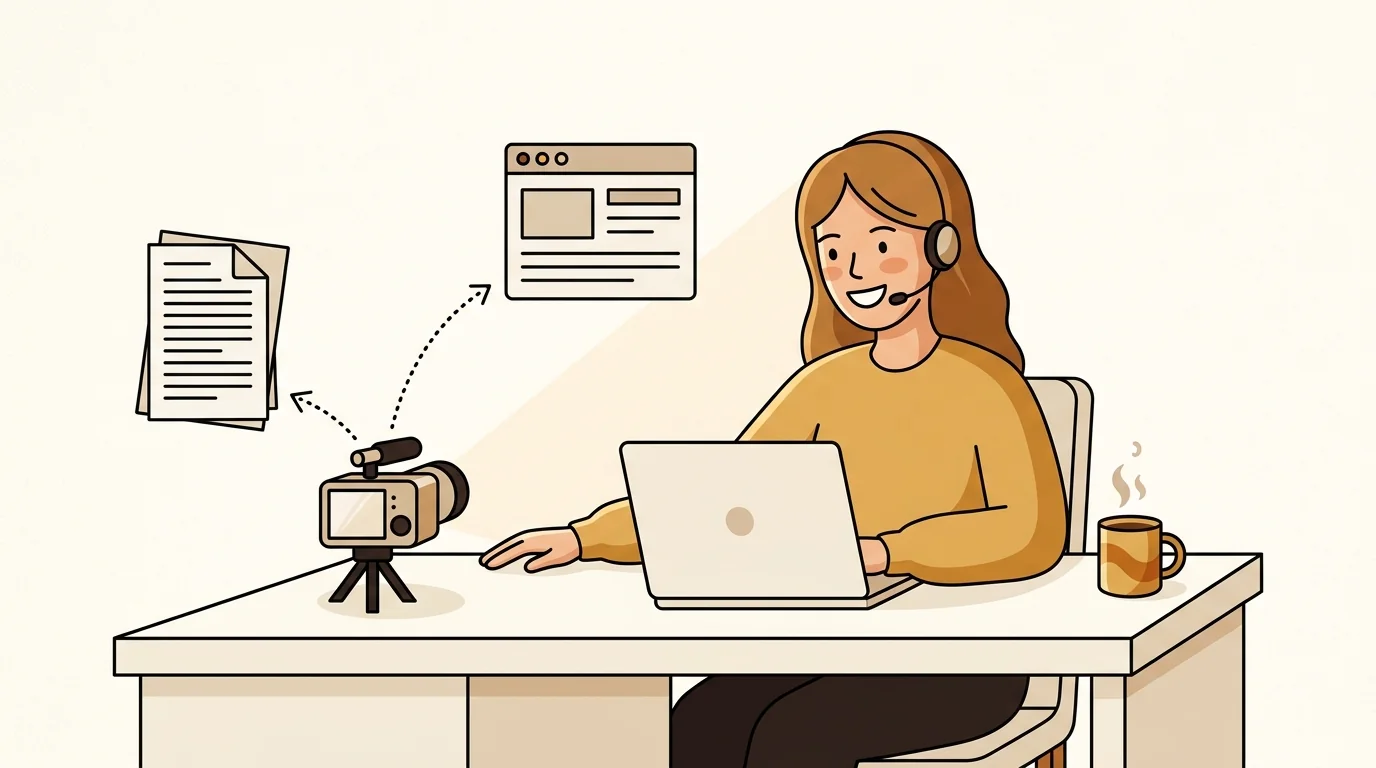
I Publish Three YouTube Videos a Week. Here's How I Turn Each One Into a Blog Post Before the End of the Day.
Emma Clarke posts educational YouTube tutorials on productivity tools. A video transcriber cut her post-production writing time from 3 hours to under 45 minutes per video — and tripled her organic search traffic.
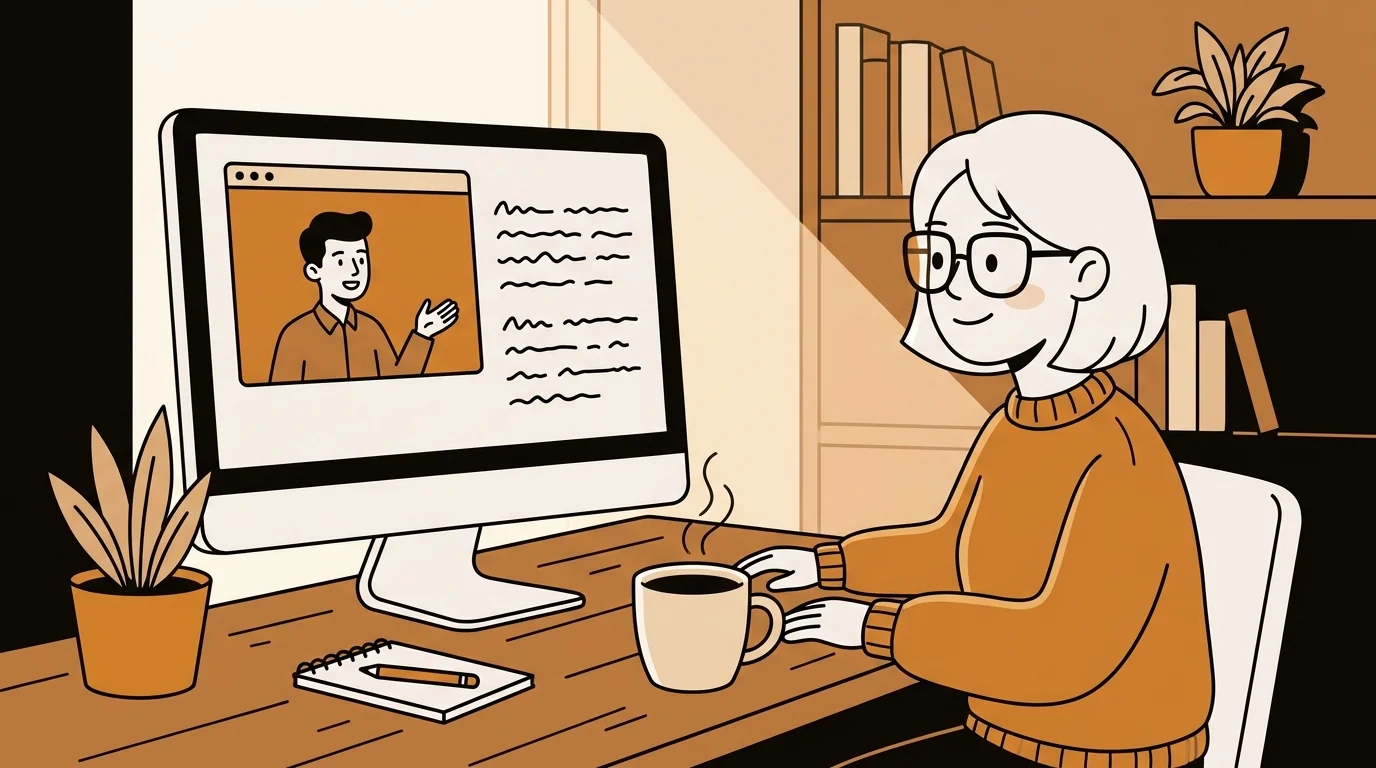
I Run 15 User Interviews a Month. Here's How I Get Through the Video Files Without Losing My Mind
As a UX researcher, I record every user session on video. sipsip.ai converts them to searchable transcripts with summaries — so I spend my time on insights, not rewatching footage.
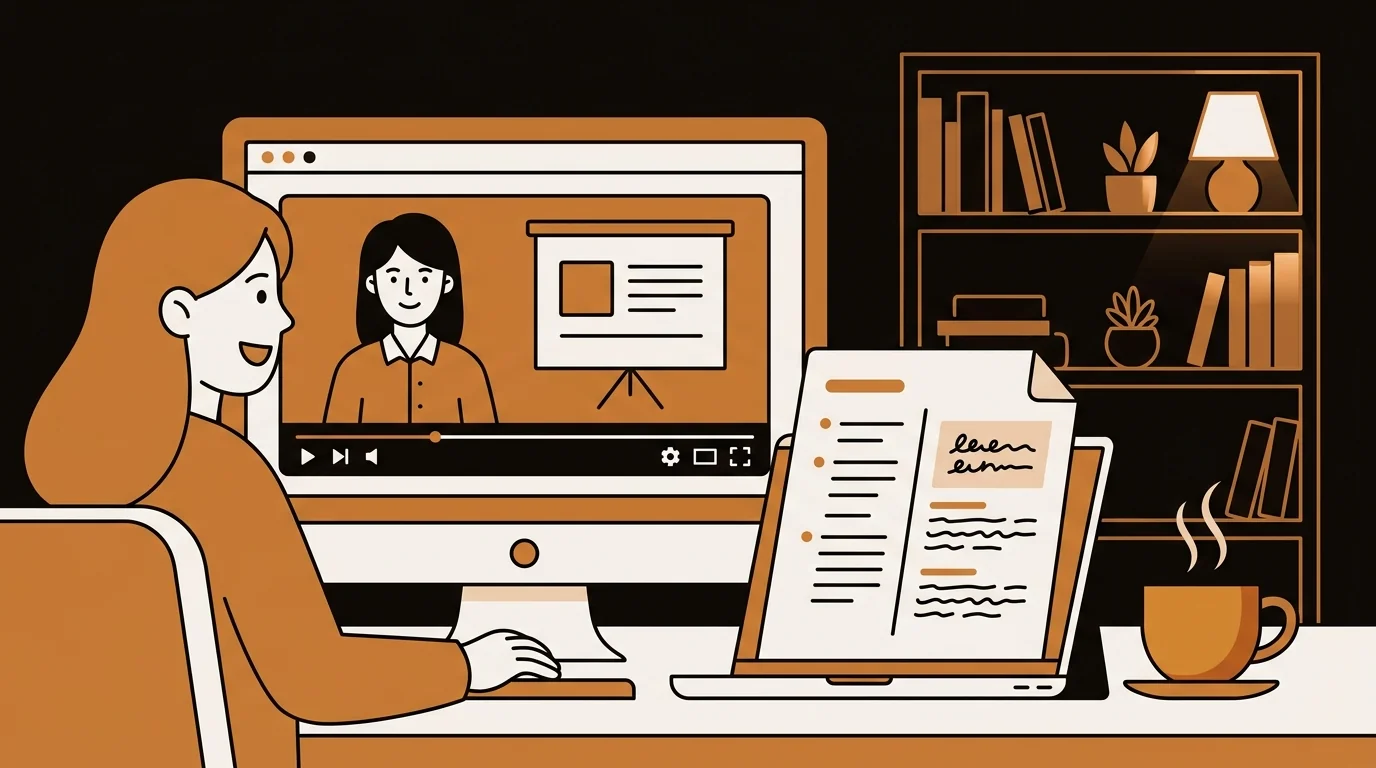
I Record All My Lessons on Video. Here's How I Turn Them Into Student Resources for Free
I teach online and record every lecture as a video file. sipsip.ai's free video transcriber converts them to text — so my students get searchable transcripts and I get reusable content.
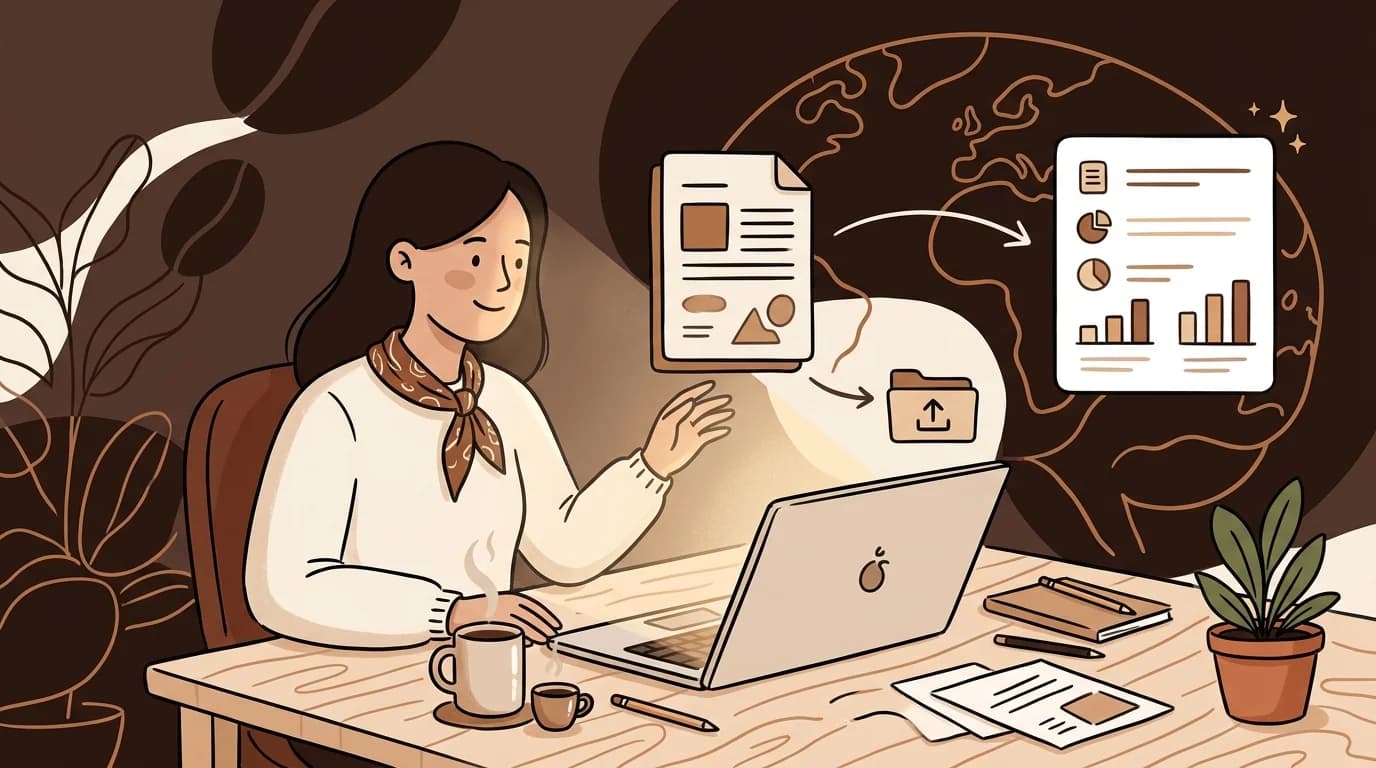
I Get 50-Page Reports in My Inbox Every Week. Here's How I Actually Read Them
As a strategy consultant, I receive dense PDF reports constantly. sipsip.ai's free PDF summarizer gives me the key points in under a minute — so I know which ones are worth reading in full.
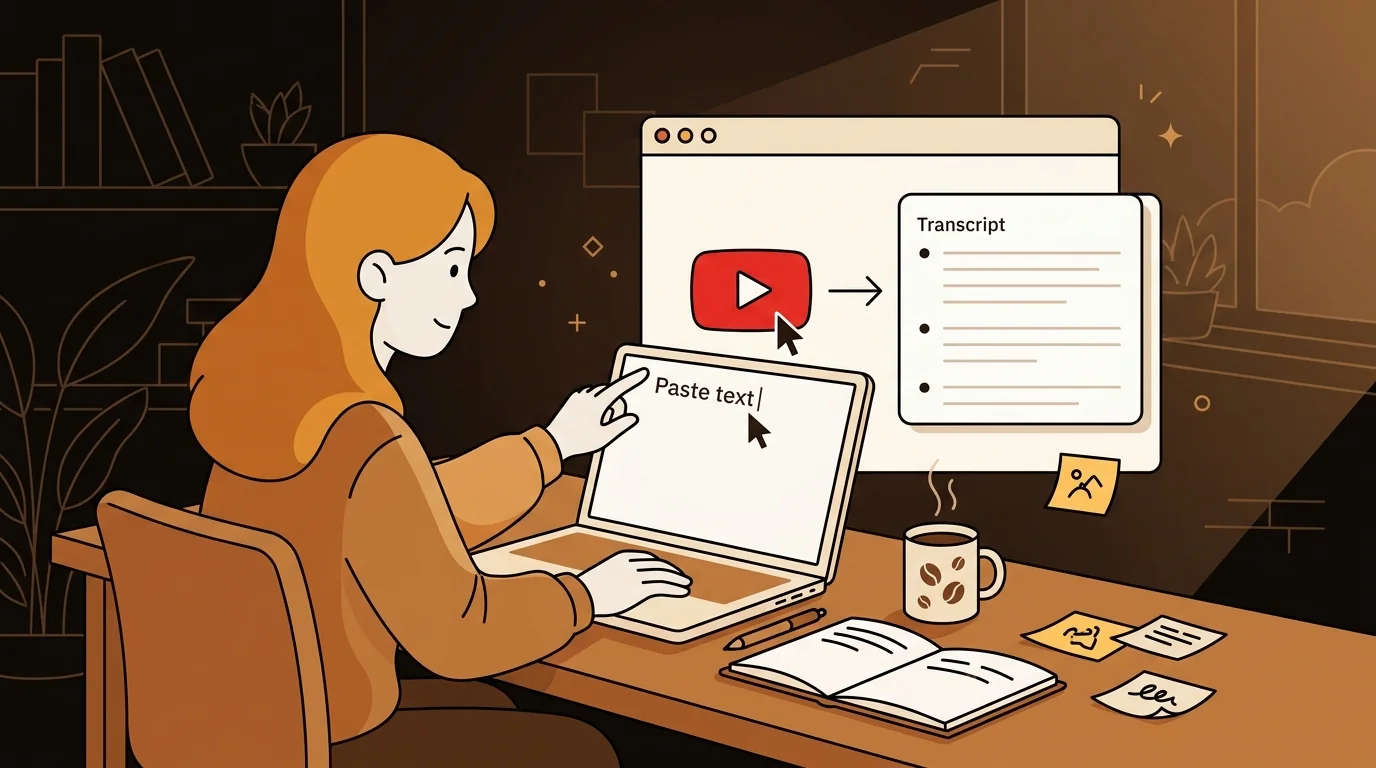
How I Get Transcripts of Any YouTube Lecture in Seconds — Without Paying for Anything
I'm a grad student with no tools budget. sipsip.ai's free YouTube transcript tool gives me searchable text from any lecture video instantly — no account, no paywall.
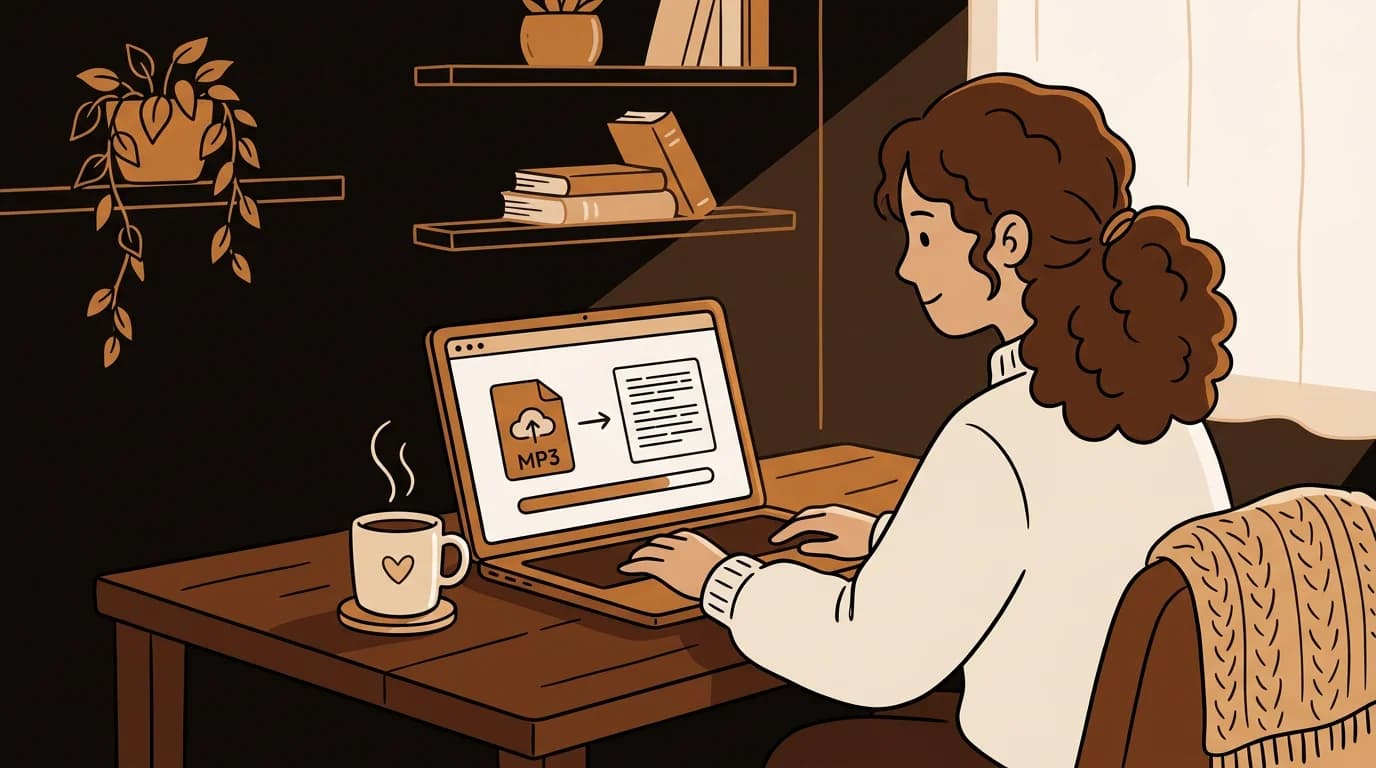
I Interview Sources on My Phone. Here's How I Turn MP3s Into Clean Text for Free
As a freelance writer, I record all my source calls as MP3 files. sipsip.ai's free audio transcriber converts them to text in minutes — no subscription, no per-minute charges.
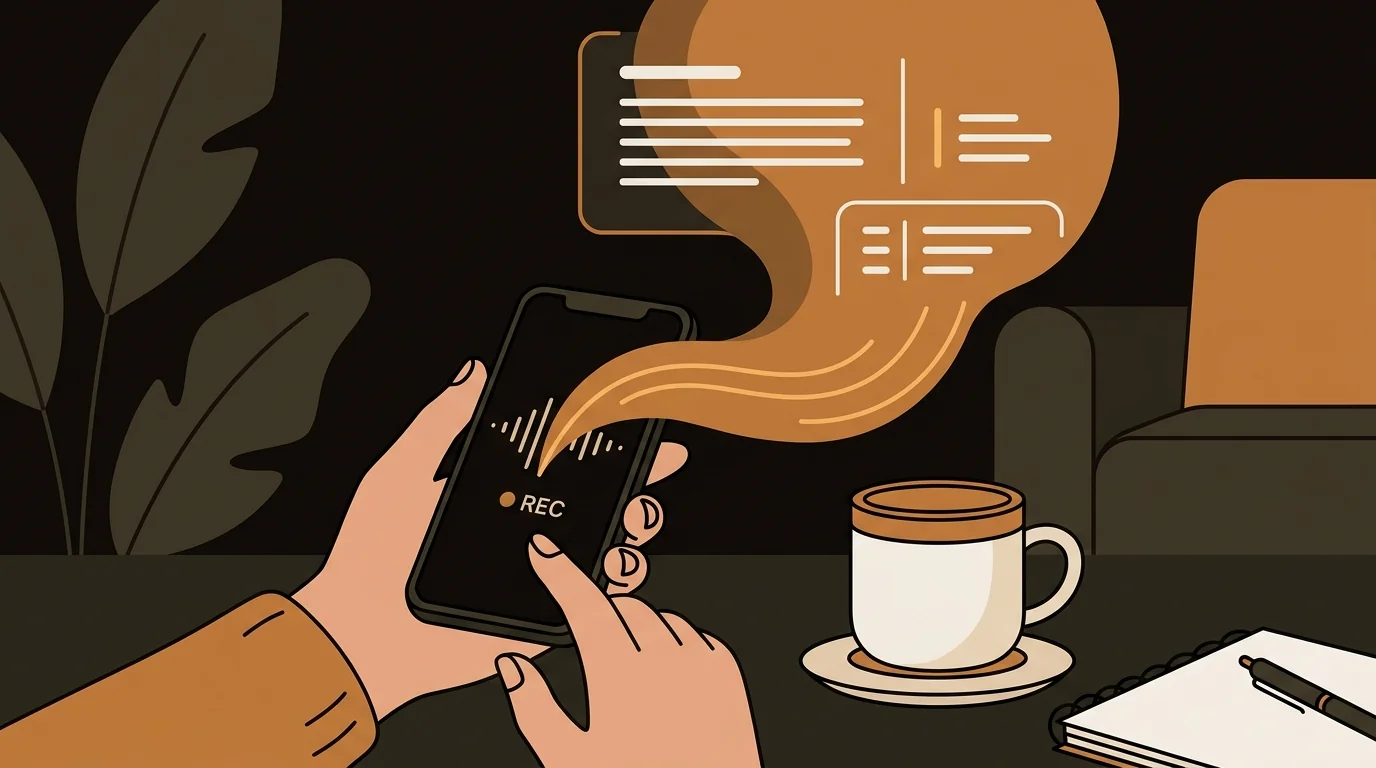
I Think Better Out Loud. Here's How I Turn Voice Memos Into Actual Work Output
I record voice memos constantly — product ideas, meeting debrief, half-formed thoughts on a walk. sipsip.ai transcribes them into text I can actually use. My notes app finally has real content in it.
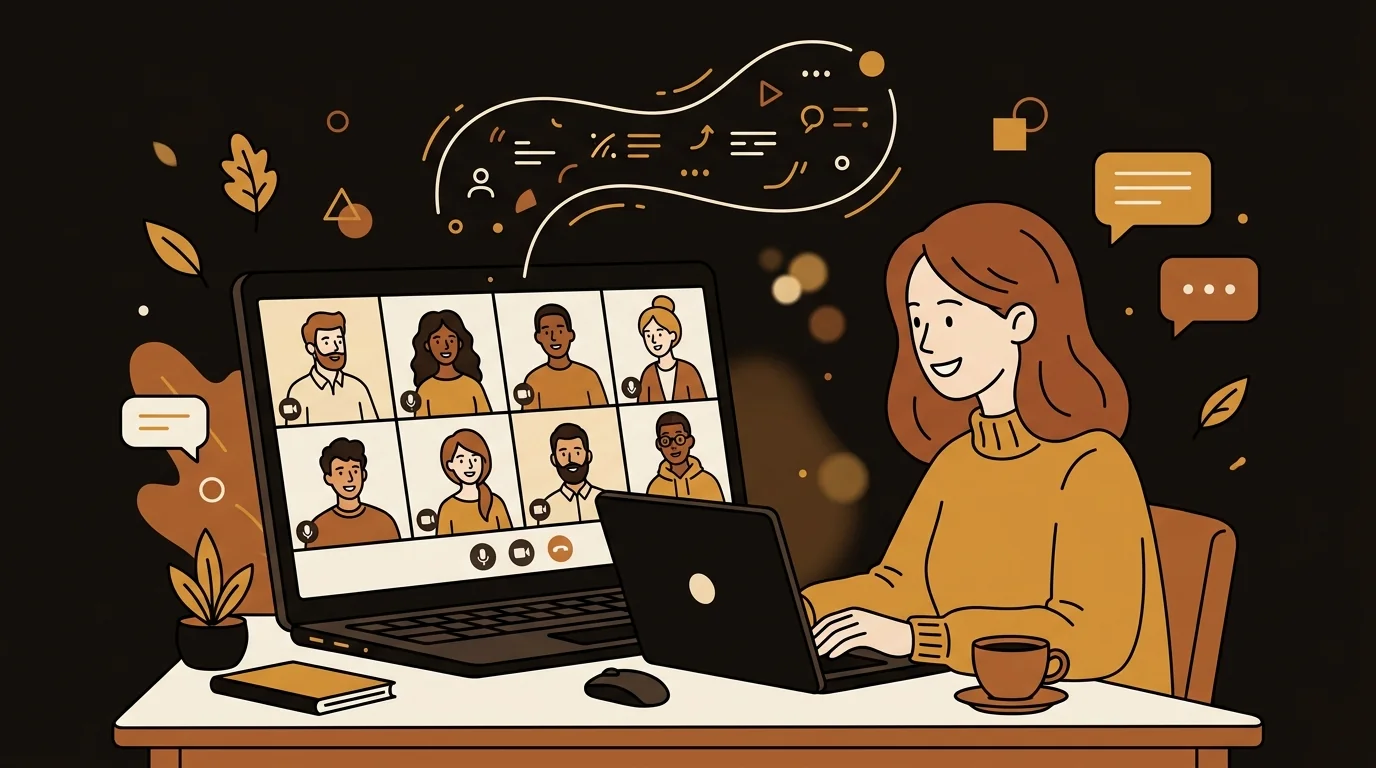
How I Stopped Taking Notes in Every Meeting and Started Running Them Better
I manage a distributed engineering team across three time zones. sipsip.ai transcribes and summarizes every meeting recording — so I can lead instead of type.
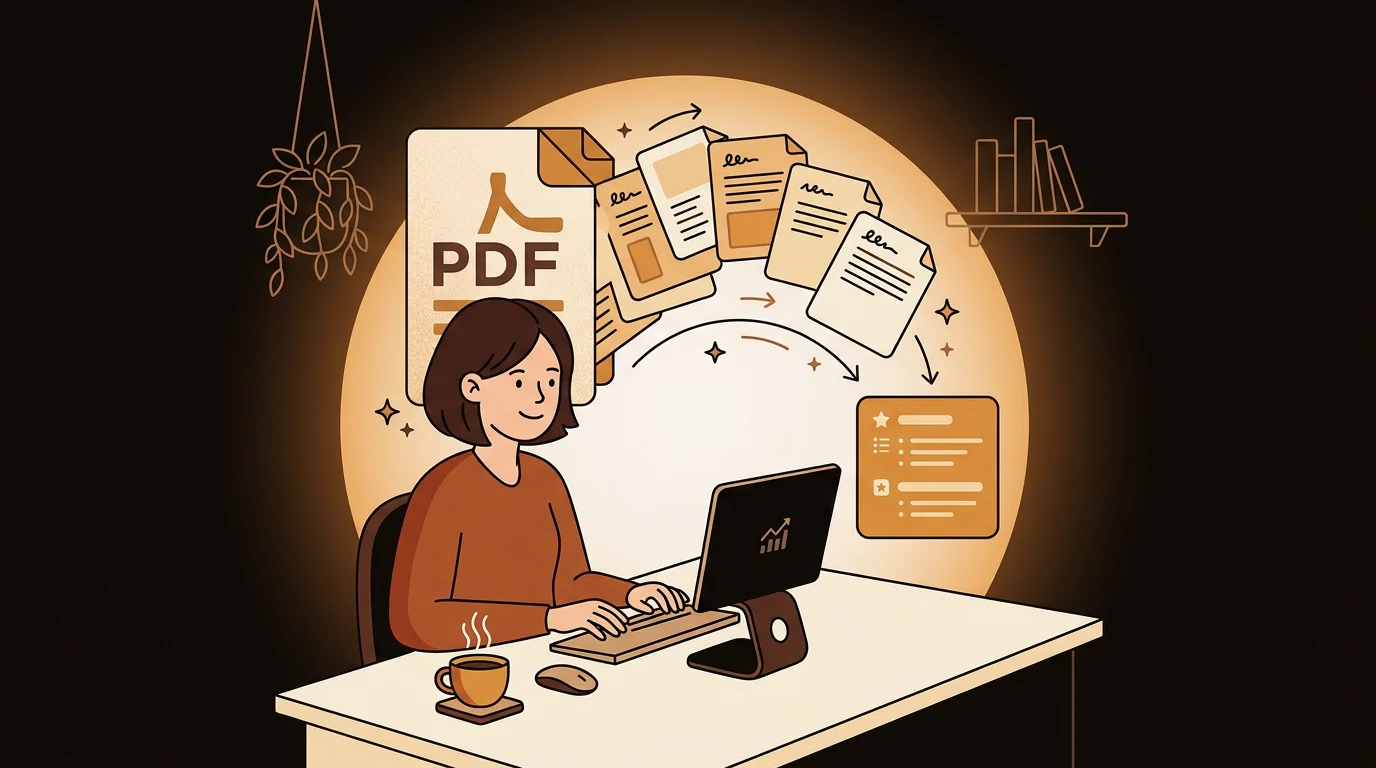
How I Digest 30-Page Research Reports in 5 Minutes Before Client Calls
I'm a management consultant at a Big 4 firm. I used to spend hours pre-reading PDFs before meetings. Now I upload them to sipsip.ai, get a clean AI summary in minutes, and walk in more prepared than ever.
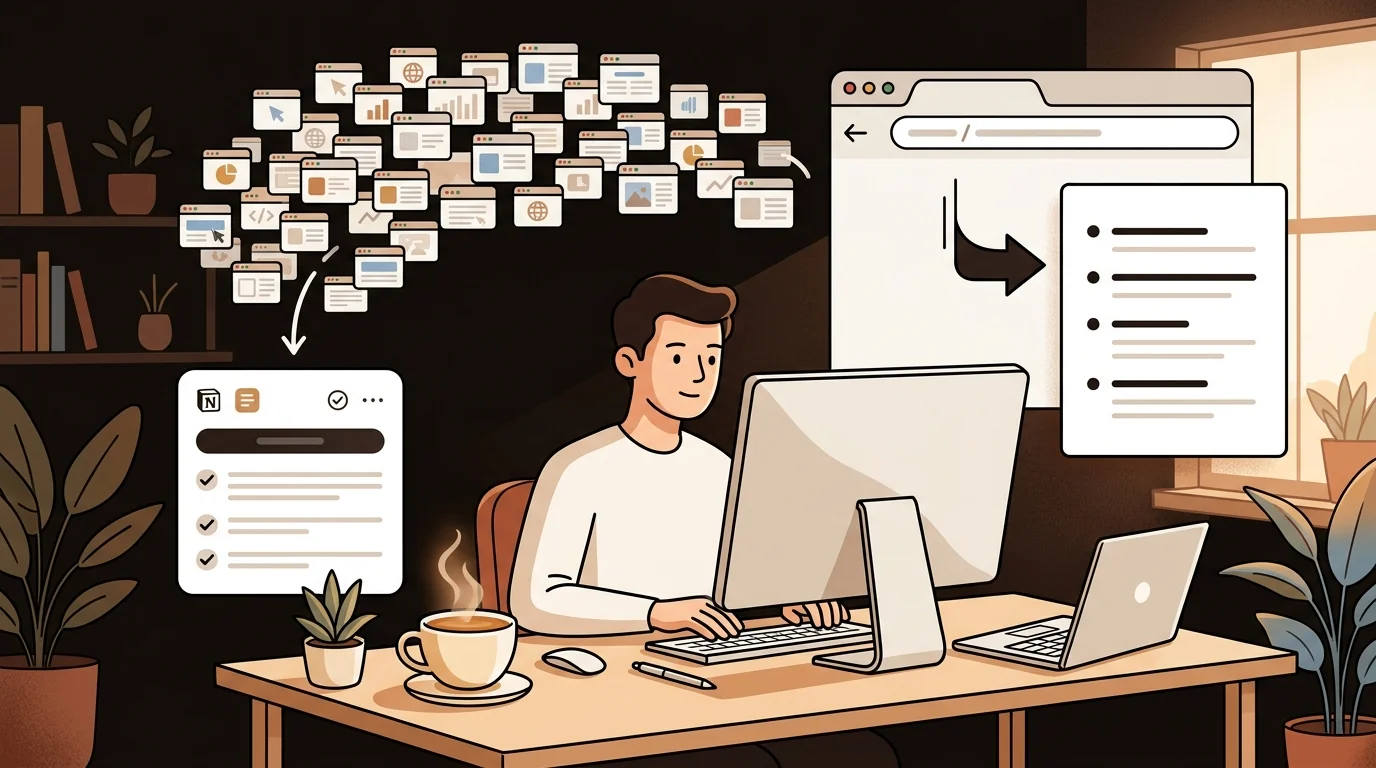
How I Turn 40 Browser Tabs Into a 10-Minute Research Brief Every Morning
I'm a market research analyst. My job requires reading dozens of web articles a day. sipsip.ai lets me paste any URL and get a structured AI summary instantly — so I build research briefs in minutes, not hours.
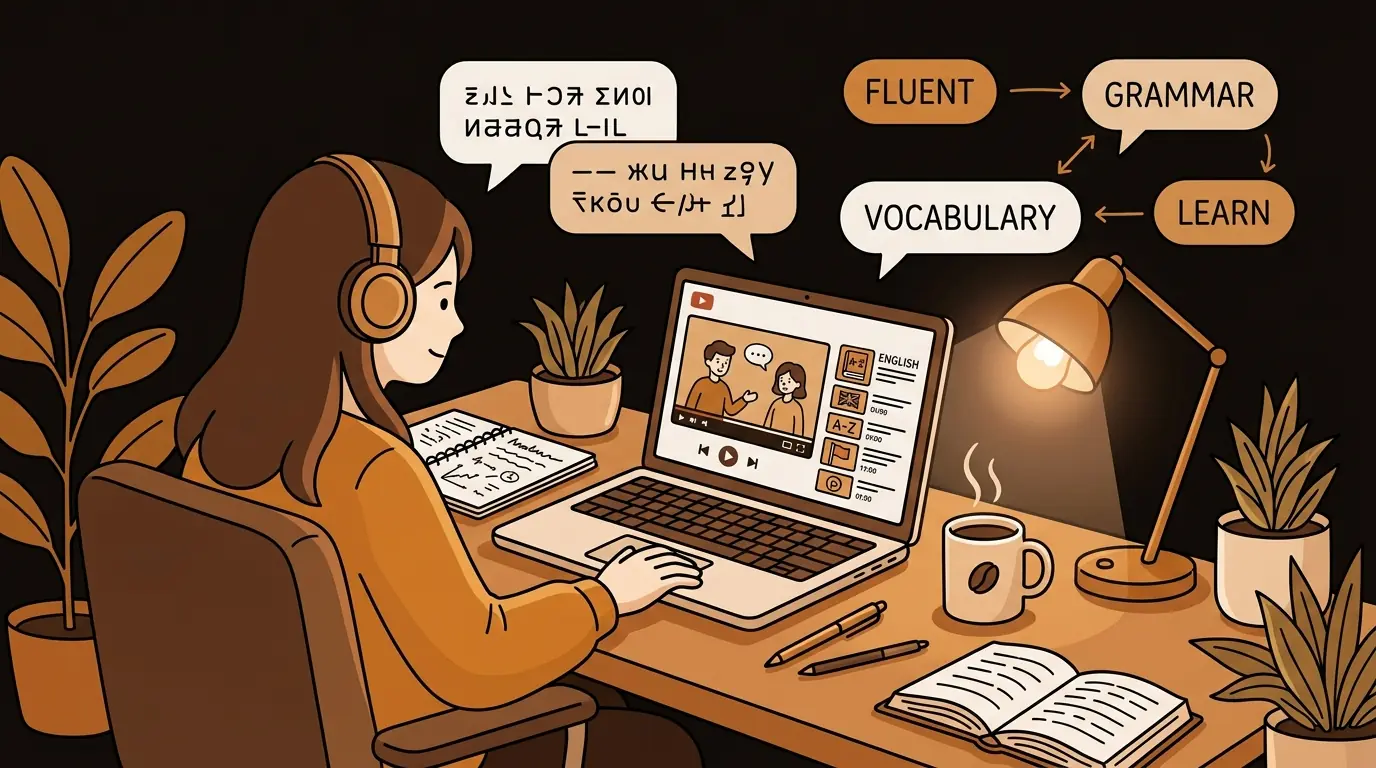
I Used YouTube Transcripts to Finally Stop Pausing Every 10 Seconds While Learning English
I'm a Korean software developer learning English from tech talks on YouTube. sipsip.ai transcripts let me read at my own pace, build real vocabulary, and actually absorb what I'm watching.
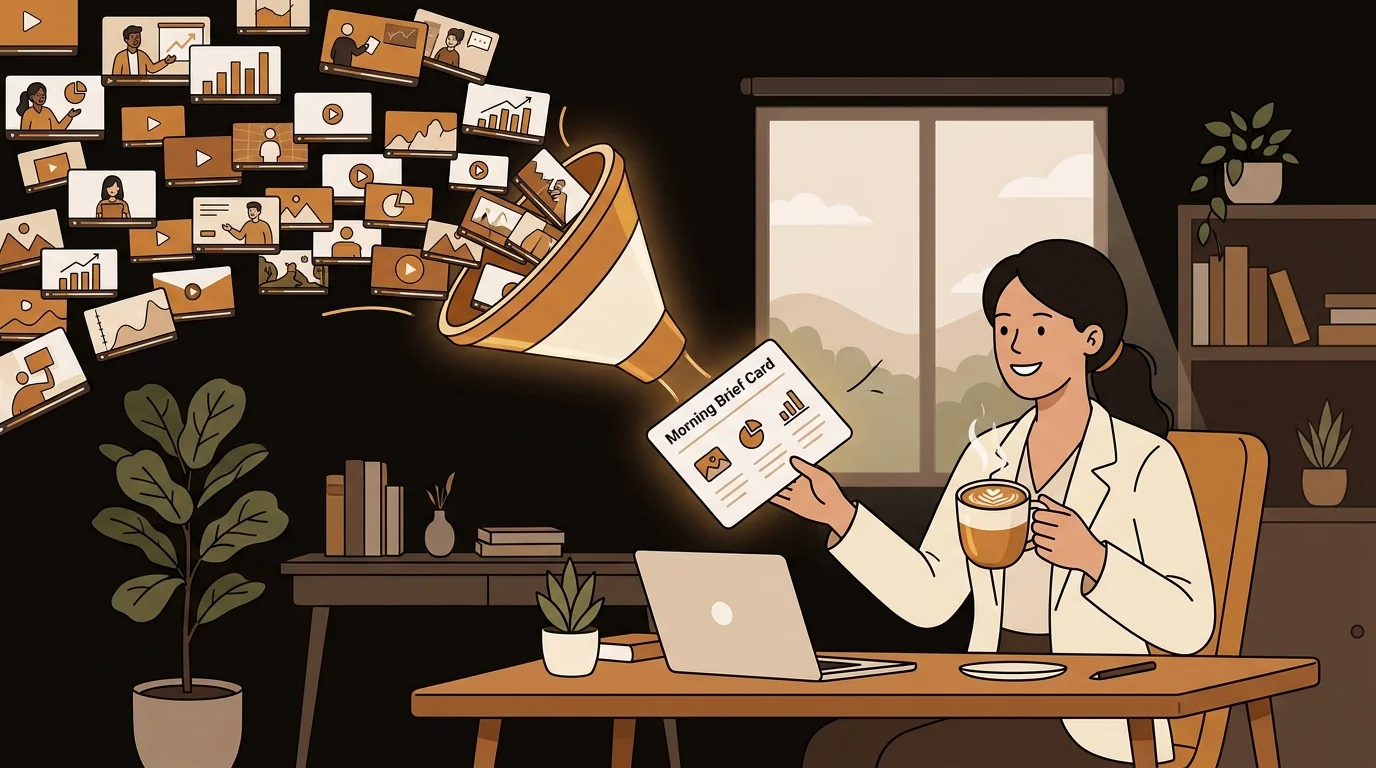
How I Catch YouTube Brand Mentions Before They Turn Into PR Problems
I'm a brand manager, and I used to be the last person to know when a creator talked about us. sipsip.ai now monitors every channel that matters and surfaces sentiment signals — so I'm first, not last.
How I Keep Up With Every Major Tech Keynote Without Watching a Single One
I'm a senior engineer in Berlin. I can't justify three hours for a Google I/O keynote. sipsip.ai gives me every architecture decision and API change as a five-minute AI summary — every time, without fail.
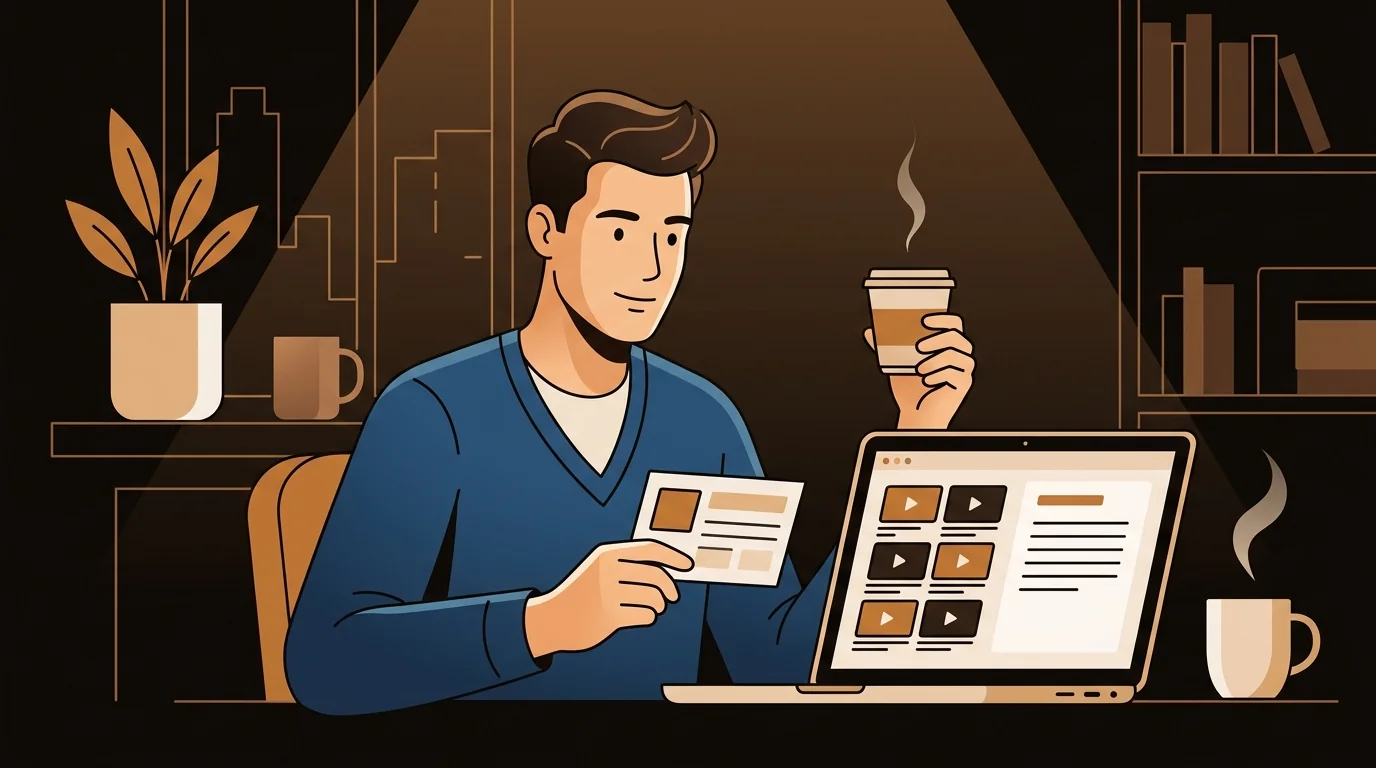
I Replaced Two Hours of Morning Feed-Scrolling With a 10-Minute AI Brief
As an angel investor, I was watching founder interviews and market commentary every morning — and still felt behind. My sipsip.ai daily brief now delivers the same signal in 10 minutes, before my first call.
I Track Every Competitor Launch in 10 Minutes a Morning — Without Living on YouTube
I'm a PM at an AI startup. I used to manually watch competitor demos and user review videos every week. sipsip.ai now delivers a distilled brief of new launches, user reactions, and feature gaps — every morning.
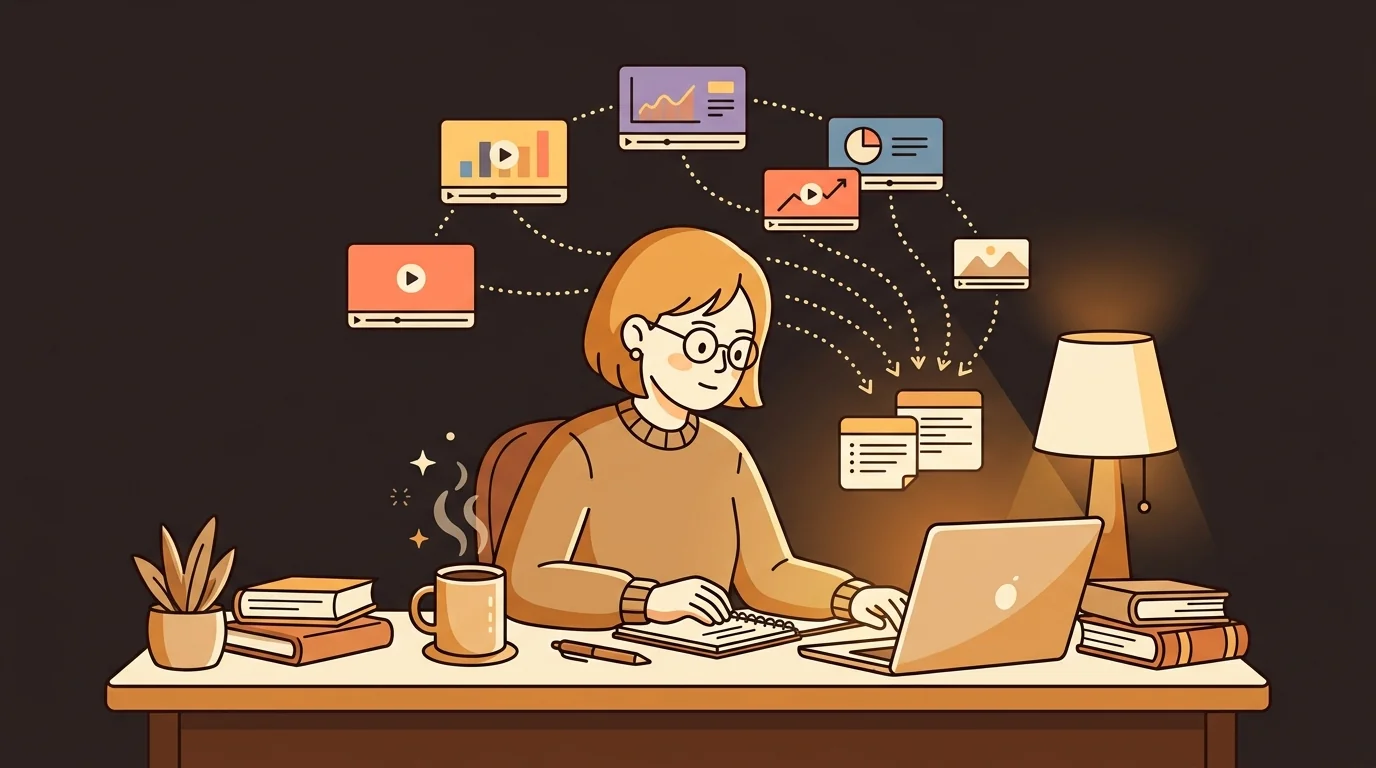
How I Review 20 Research Conference Talks a Week — Without Watching Any of Them
I'm a PhD candidate in cognitive science. I used to spend entire weekends scrubbing through recordings. With sipsip.ai AI summaries, I get every key finding in minutes — and actually move my research forward.
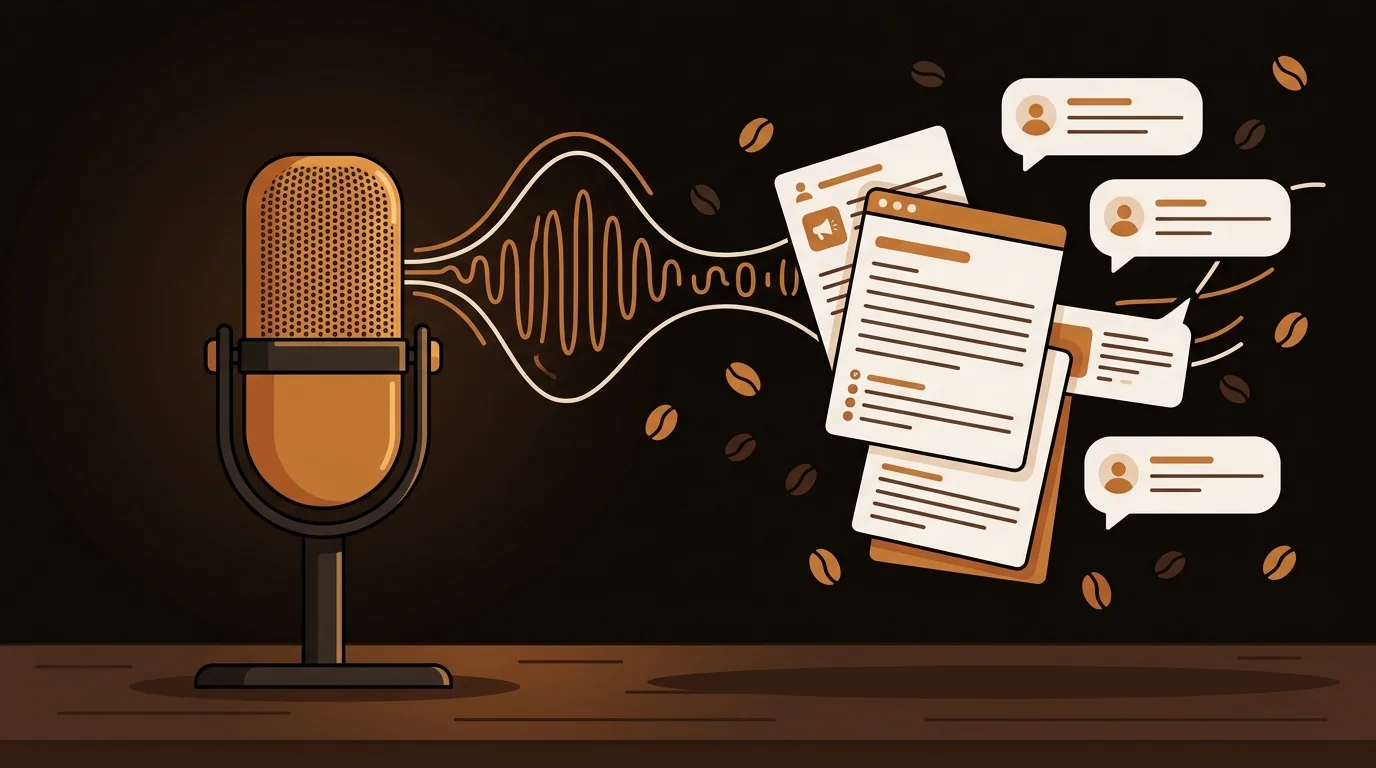
I Turned Every Podcast Episode Into Show Notes, a Newsletter, and Tweets — Without Any Extra Work
I host an independent podcast and used to spend three hours per episode writing written content. With sipsip.ai transcripts, I generate show notes, a newsletter section, and social clips before the episode even goes live.