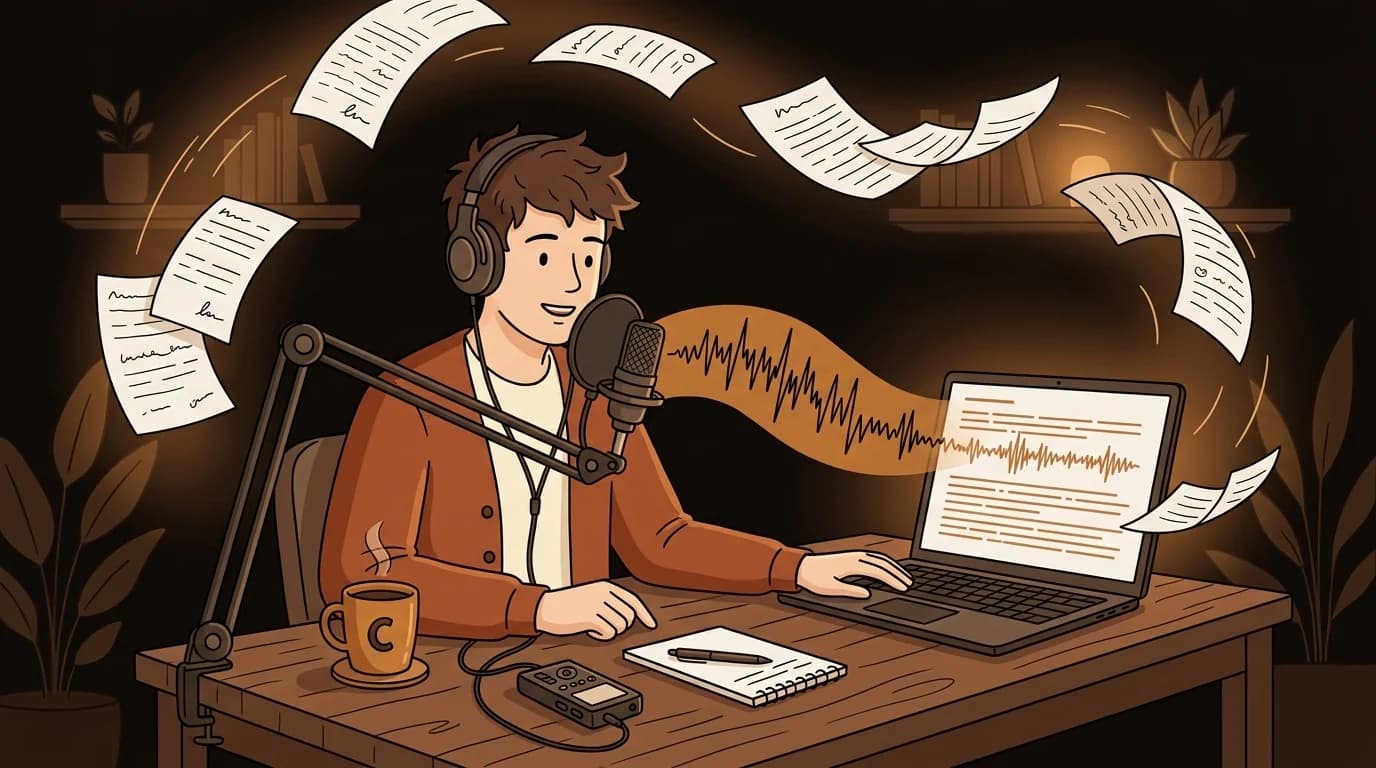
I run a YouTube channel about productivity tools and systems. Three videos a week, averaging 12–18 minutes each. For the first two years, I was leaving almost all of that content value behind — publishing the video, writing a short description, and moving on. Then I started using a video transcriber.
The Problem With Publishing Video-Only
A 15-minute tutorial contains roughly 2,000 words of structured, edited thinking. I don't speak off the cuff — I script from notes, so the content is already organized. But none of that structure existed in text form after the video went live.
Search engines don't watch videos. People who prefer reading over watching never found my content. My YouTube audience was the entire audience — and growing it meant grinding the algorithm, not building something organically discoverable.
My channel had around 28,000 subscribers at the point I changed my approach. My organic website traffic was effectively zero. No blog, nothing indexed, nothing that worked while I was asleep.
The Shift: Making the Transcript a Required Production Step
I started treating the transcript as a required output of every video, not an optional afterthought.
The workflow now:
- Film and edit the video — my existing process, no changes.
- Upload the final video to YouTube and paste the URL into sipsip.ai's video transcriber simultaneously.
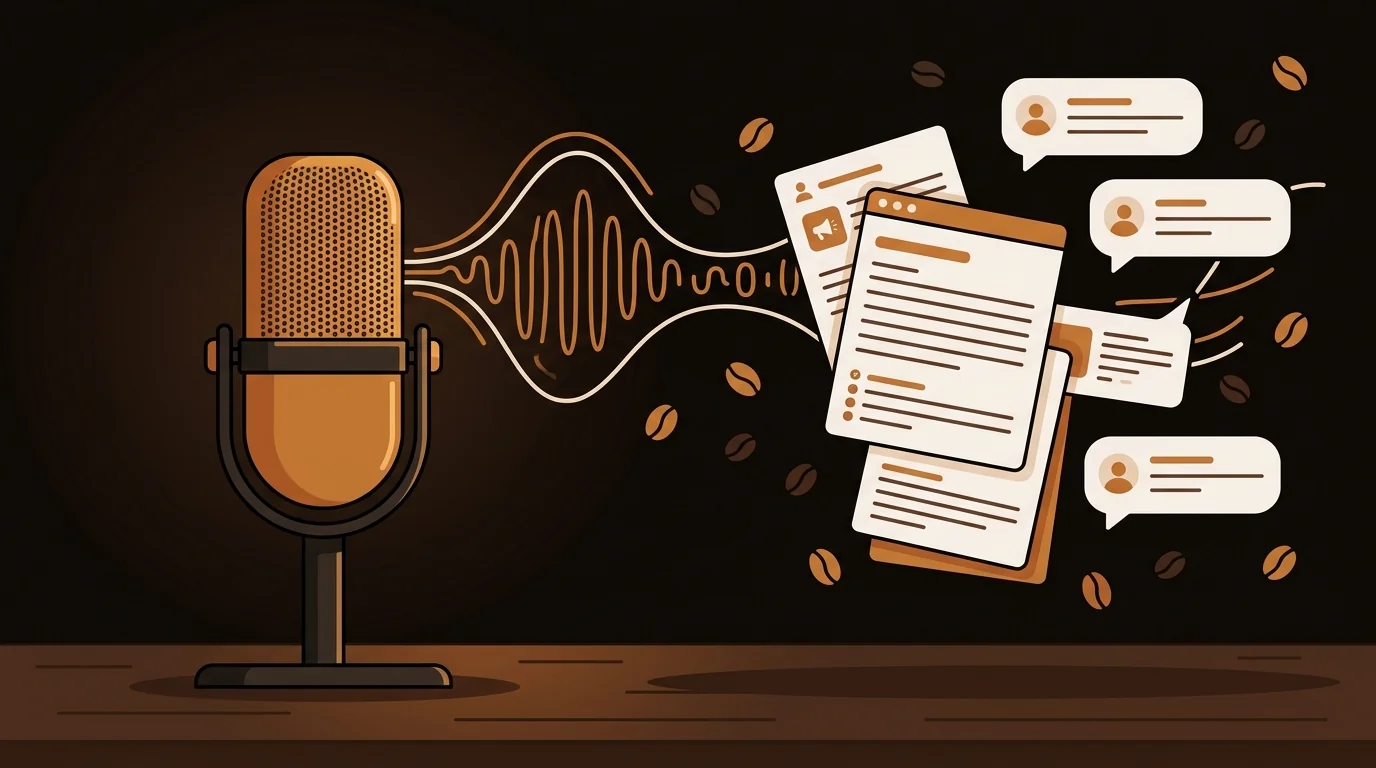
- While the video processes for YouTube, sipsip generates the full transcript, AI summary, and key highlights.
- I open the transcript in Notion. The video's section structure — the sections I already scripted — becomes the heading outline for the blog post automatically.
- Edit for reading flow: tighten run-on spoken sentences, remove filler phrases, delete the moments that land as performance but read as padding.
- Add a short reading intro (one paragraph that hooks the text reader, distinct from the video hook) and a CTA at the end.
Time from transcript to published blog post: 35–45 minutes, including formatting and internal linking.
What I Didn't Expect
The blog posts started ranking within two to three months of starting this. Not viral — quietly discoverable. People searching "how to build a second brain in Notion" or "best daily review template" were landing on posts, reading them, and then finding the embedded video.
Traffic compounded. Videos I'd published 18 months ago that had stopped getting new views suddenly started generating link clicks because the text version existed. Old content started working again. The SEO benefit wasn't just on new posts — it retroactively extended the reach of everything I'd already made.
The Newsletter Shortcut
Once I have the blog post, the newsletter takes 15 more minutes. I pull the three most interesting points from the post, rewrite them as direct, conversational paragraphs (shorter and punchier than the blog version), add a link to the full post and the video, and send.
My newsletter open rate sits above 40%. The content is dense because it's extracted from something I actually spent time researching — not something I wrote separately for the newsletter with whatever energy I had left after editing a video.
Where the Time Actually Goes Now
Before: 3–4 hours of post-production writing per video (blog plus newsletter plus social), often delayed by days because I'd run out of energy after editing. Sometimes I'd skip it entirely.
After: 45–60 minutes total for all written outputs, almost always completed the same day the video publishes.
The quality hasn't dropped. If anything, the posts are tighter because I'm editing a real script rather than reconstructing my thinking from memory two days later.
One metric I track closely: the channel's click-through rate from search increased 34% in the six months after I started publishing blog versions of every video. People were finding the text, reading it, and clicking through to watch. The written content was driving video views, not competing with them.
If you're a creator publishing video content without a text version, sipsip.ai's video transcriber turns that gap into a workflow. Paste the URL, get the transcript and summary, and start the blog post before the video finishes uploading.

Emma Clarke posts educational YouTube tutorials on productivity tools. A video transcriber cut her post-production writing time from 3 hours to under 45 minutes per video — and tripled her organic search traffic.