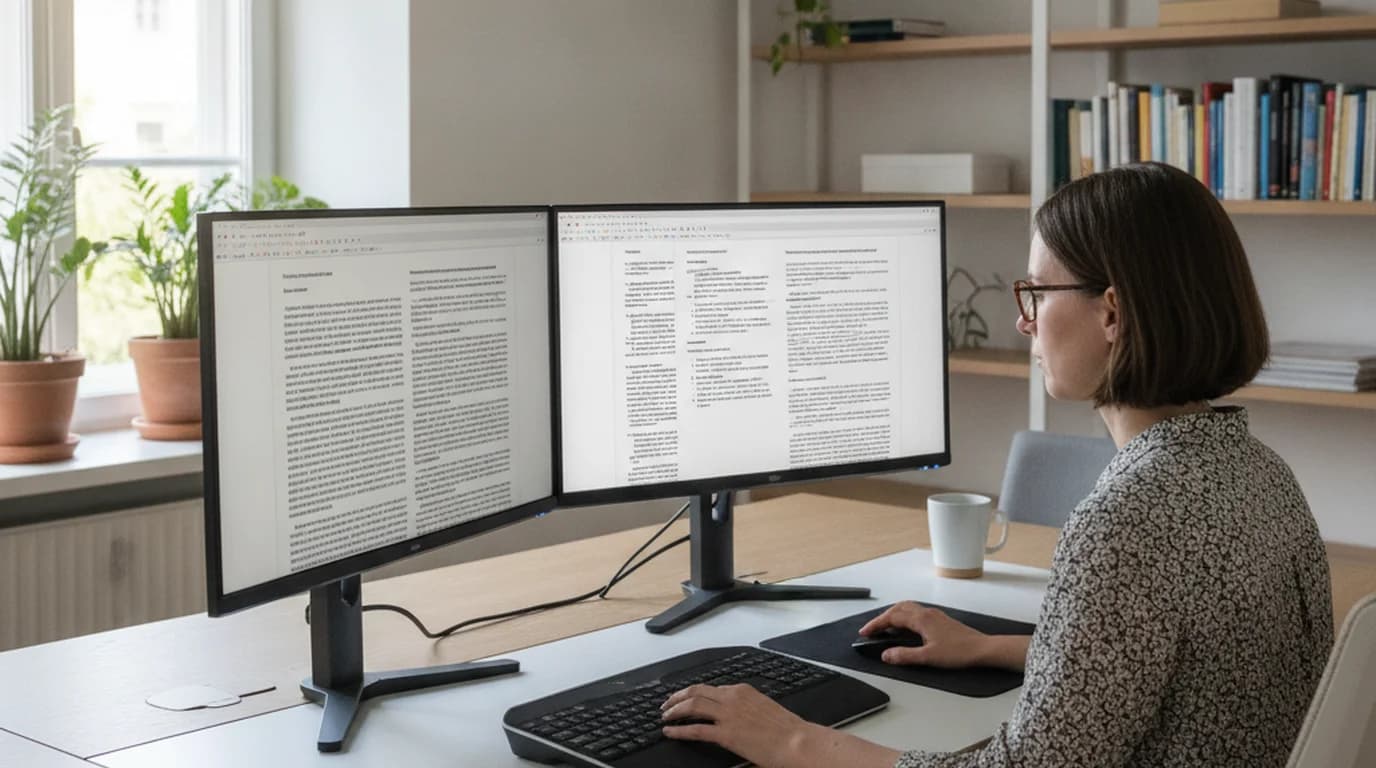
Eastern European political coverage from the US requires working with Russian-language sources constantly. State media, independent outlets like Meduza and iStories, Telegram channels with millions of followers, and government press conferences — the primary sources are in Russian, and my fluency isn't. For three years I've built a translation workflow that lets me monitor and work with this content systematically.
What Russian-Language Source Monitoring Looks Like
The information ecosystem around Eastern European politics runs through Russian. Even understanding what Ukrainian, Belarusian, or Baltic political stories mean requires understanding what Russian state media is saying about them — for context, for the official narrative, for what claims I need to investigate or rebut.
My source list includes:
- Russian state television transcripts (RT, Perviy Kanal, Rossiya-1) — for official narratives
- Independent Russian outlets operating outside Russia (Meduza, iStories, Novaya Gazeta Europe) — for independent reporting
- Telegram channels from Russian officials, military correspondents, and political figures
- Russian government press conferences and official statements
None of this is accessible in English in real time. The translation is my job.
Translating Russian Text Sources
For text — Telegram posts, written articles, official statements — Google Translate is my first pass. Russian political content has deep training data in Google's models, and the output is usually accurate enough for me to assess whether something needs further investigation or translation by a fluent speaker.
DeepL produces more natural English from formal Russian (official statements, legal documents, diplomatic texts) and I use it for content that will be quoted in my reporting. For quick monitoring of news feeds and channel activity, Google Translate's speed matters more than output quality.
Translating Russian Audio and Video
Press conferences, television segments, and Russian YouTube content require transcription first. My workflow:
Paste the URL or upload the file to sipsip.ai's transcriber. For YouTube content from Russian state media and independent outlets, I paste the URL directly. For recordings I've captured (Telegram audio messages, voice memos shared by contacts), I upload the file.
Select Russian. Processing a 30-minute press conference takes approximately 3 minutes.
Translate the Cyrillic transcript. I paste the Russian transcript into DeepL for content I'm reporting on closely, or Google Translate for initial assessment. The transcript also serves as a searchable Russian-language record — I can search it in Cyrillic for specific official names or terms before translating.
"During a fast-moving story, getting a Russian press conference from video to English in under 10 minutes changes what I can report and when I can report it."
— James Okafor
Related Article
How to Translate Audio Files to English (AI Method, 2026)
Russian-Specific Translation Issues
Proper nouns and transliteration: Russian names are transliterated into Latin characters according to different conventions — US, UK, and Ukrainian transliteration standards all differ. "Зеленський" becomes Zelensky (Ukrainian transliteration), Zelenskyy (US official), or Zelenskiy (alternative). The transcript comes back in Cyrillic; I check the standard transliteration against what my publication uses before quoting.
Political terminology that has shifted: Russian political language has specific meanings that have changed or been loaded with ideology. "Специальная военная операция" (spetsial'naya voennaya operatsiya) is the official Russian term for what most international media calls the war in Ukraine — the translation is "special military operation," but the framing choice is editorial, not purely translational. I translate literally and then add editorial context in my reporting.
Soviet bureaucratic language in official documents: Older Russian official documents use passive constructions and bureaucratic formulations that produce awkward but technically accurate English. I edit these for publication.
Regional variation: Russian as spoken in Russian political circles differs from Russian as spoken in Ukraine or Belarus — vocabulary, accent, and usage patterns vary. Sipsip.ai handles standard Russian reliably; for Ukrainian-accented Russian or Belarusian Russian, accuracy is still good but proper nouns specific to those regions may need a check.
According to a 2025 evaluation by the European Language Resources Association, Russian-English is among the top five language pairs with the most extensive parallel news corpora, resulting in strong MT performance specifically for political and news content.
Related Article
Video Translation: Methods, Tools & Complete Guide 2026
Working With Russian Telegram
Telegram is a primary source for Russian political content. Most channels are public and accessible via browser. Audio messages in Telegram — used heavily by Russian military correspondents and political figures — are downloadable as .ogg files.
I download .ogg files and upload them to sipsip.ai (it accepts .ogg). The transcript comes back in Russian; I translate and assess for newsworthiness. This workflow handles voice messages from sources who communicate primarily through Telegram audio.
James Okafor is a digital journalist and content strategist covering Eastern European politics and business. He uses sipsip.ai to transcribe Russian-language broadcast content, press conferences, and audio sources as part of his source monitoring workflow.
Frequently asked questions

As a digital journalist covering Eastern European politics and business, I need to work with Russian-language media daily — state broadcasts, independent outlets, Telegram channels, and recorded press conferences. Here's the workflow that makes it possible without being fluent in Russian.