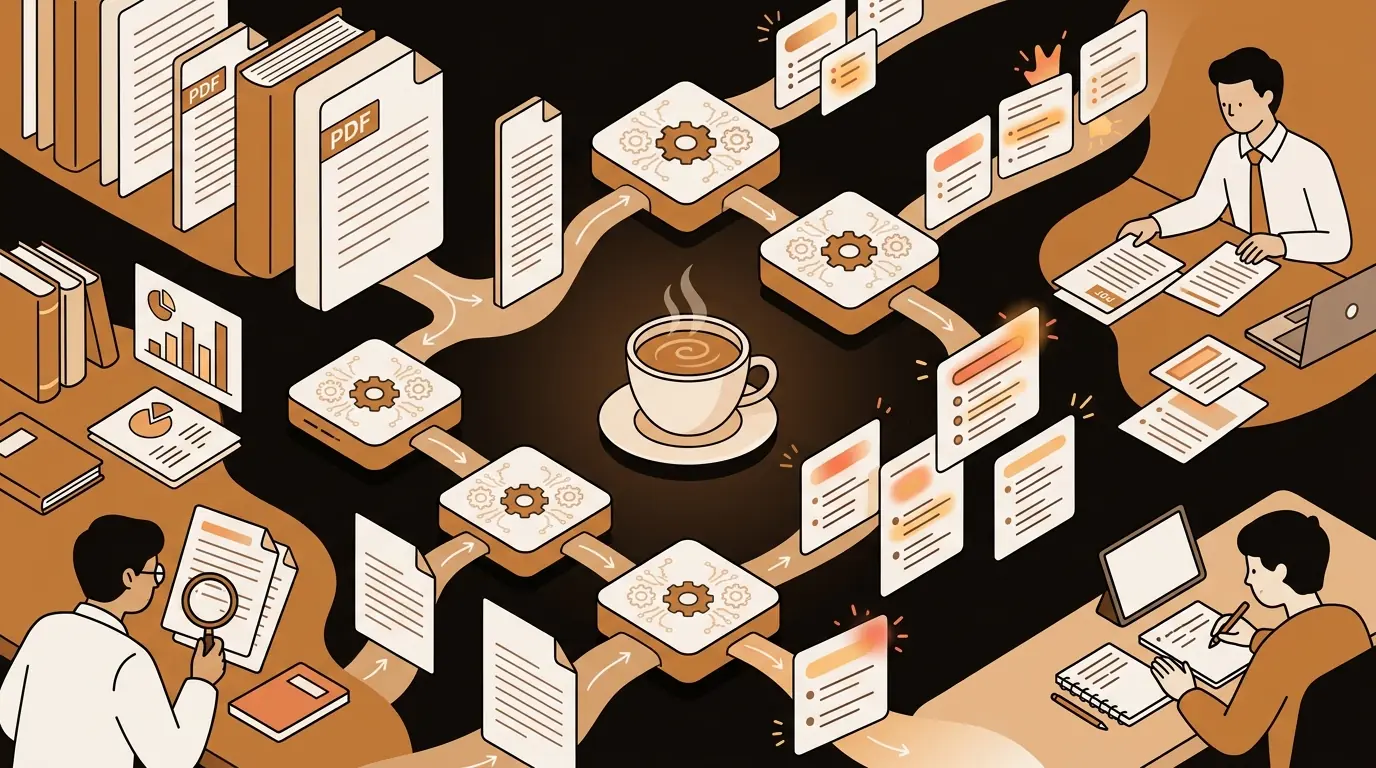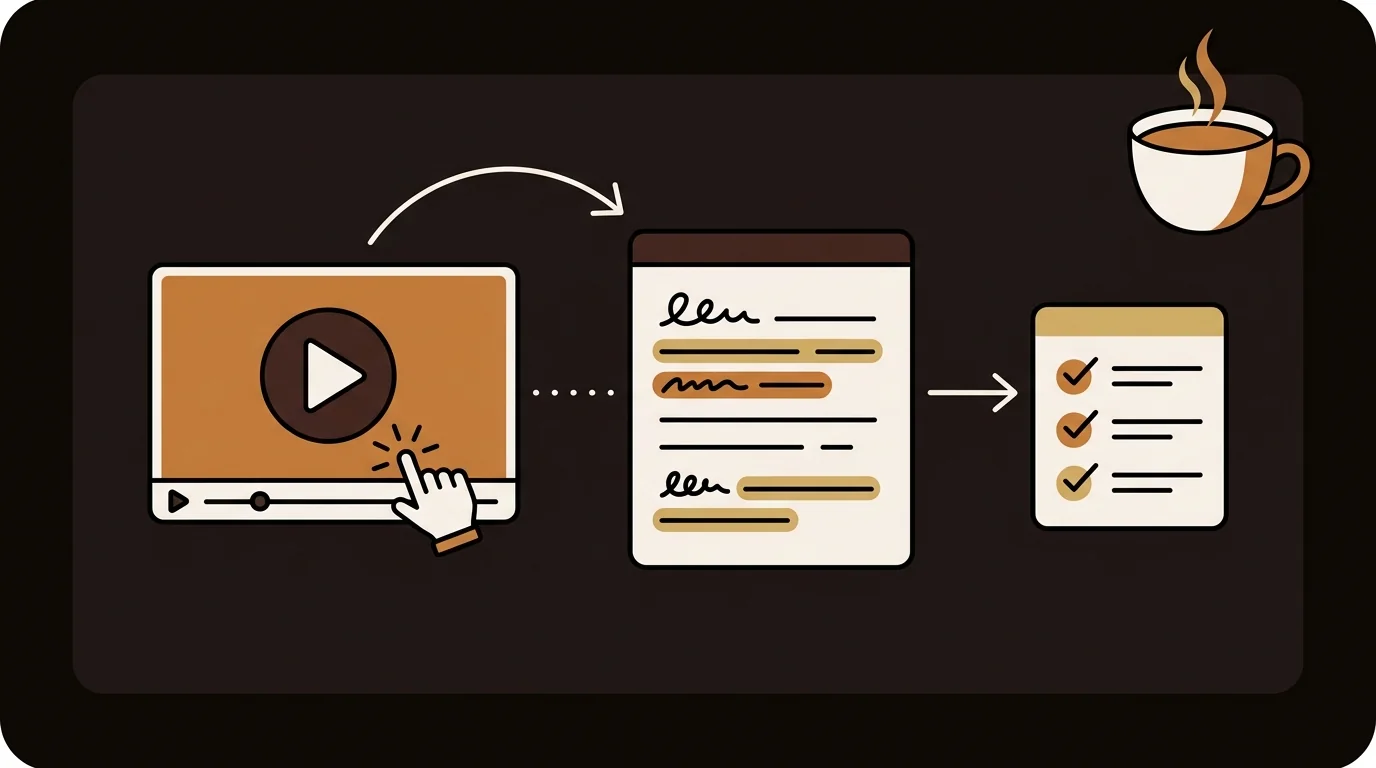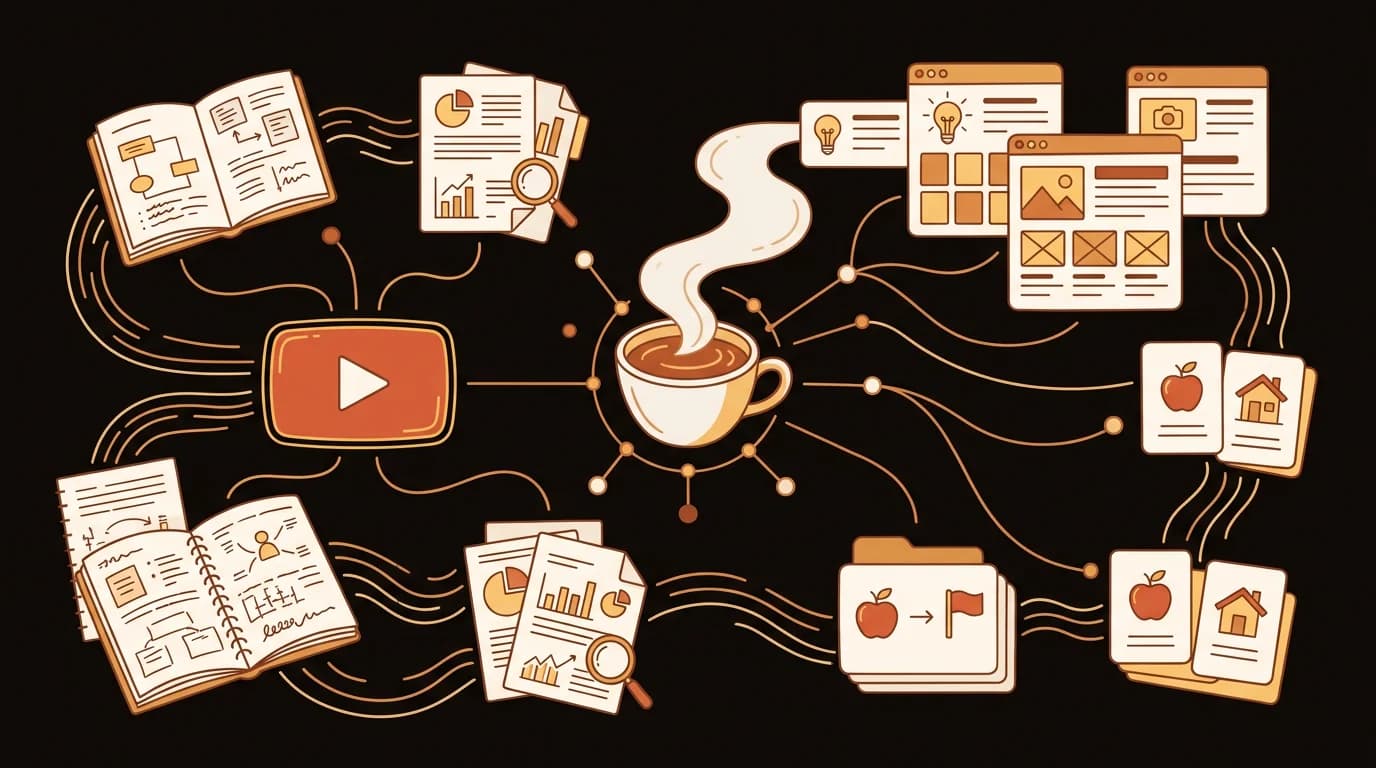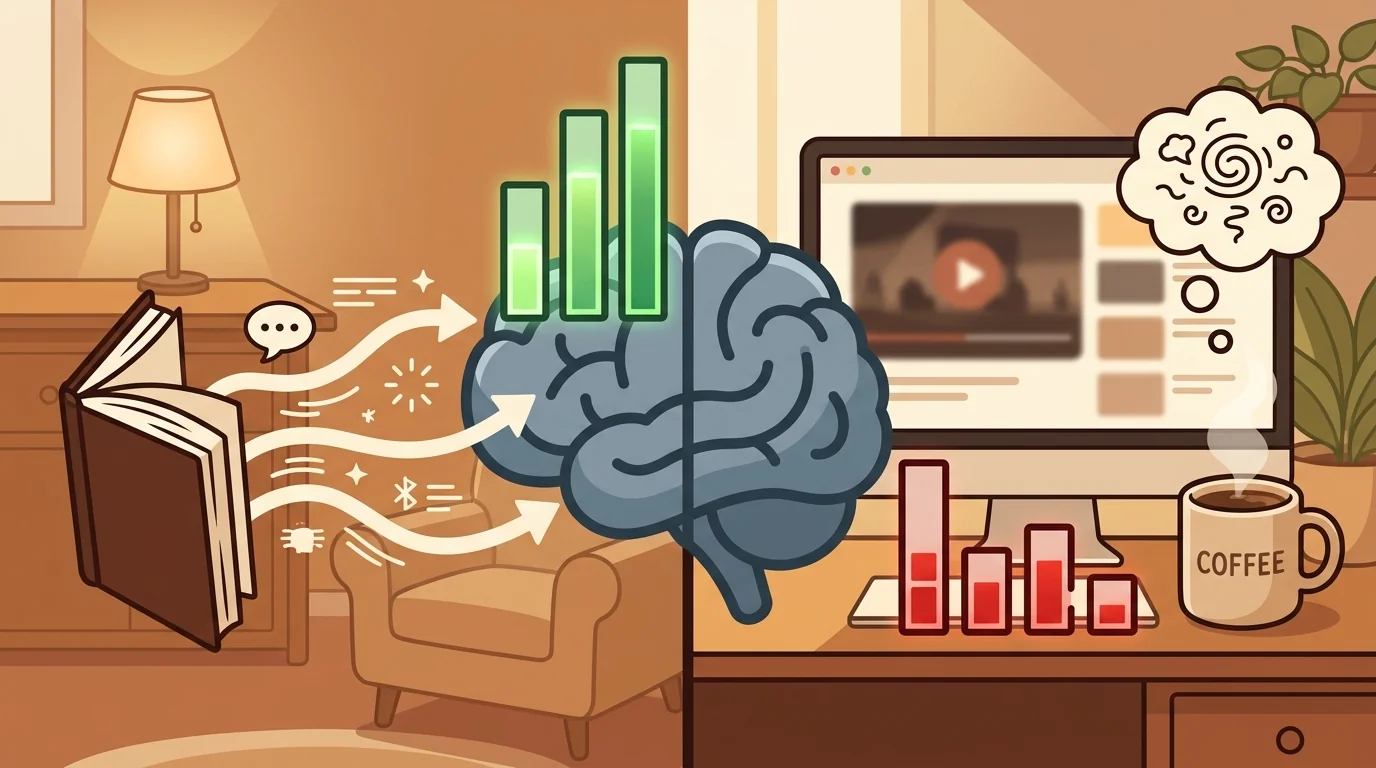
Cognitive load theory, elaborative encoding, and retrieval-induced forgetting all point to the same conclusion: reading a structured brief before or instead of watching a video improves knowledge retention.
Cognitive Load and Video Learning
When we watch a video, our working memory is processing multiple streams simultaneously: audio, visuals, on-screen text, graphics, speaker expressions. This split-attention effect reduces the cognitive resources available for deep encoding.
A text summary, by contrast, is a single-channel, sequential medium. The reader controls the pace. They can re-read, annotate, and pause to reflect — none of which is natural in video.
The Pre-Read Advantage
Studies on "advance organizers" — summaries provided before the main content — consistently show improved comprehension and recall. Reading a Sipsip brief before watching a video primes your brain to encode what it already has context for.
Analysis
Why AI briefs will replace passive scrolling — the broader shift in media consumption
Daily Brief
Put the research into practice — get a daily brief from your subscribed channels

With a background spanning advertising and internet, I've launched 8+ apps and built 10+ products across mobile, web, and AI. Now I'm building a system that extracts signal from noise — turning fragmented information into clear, actionable decisions.