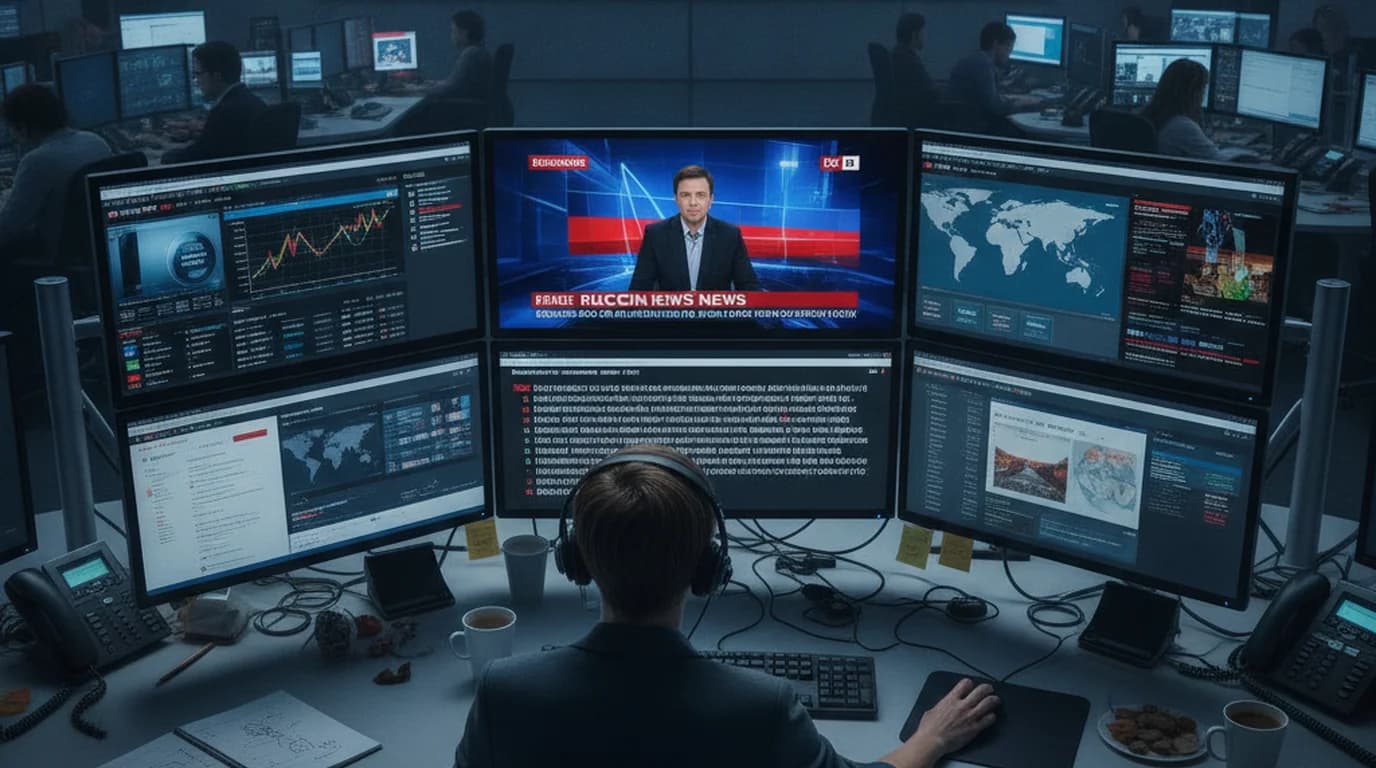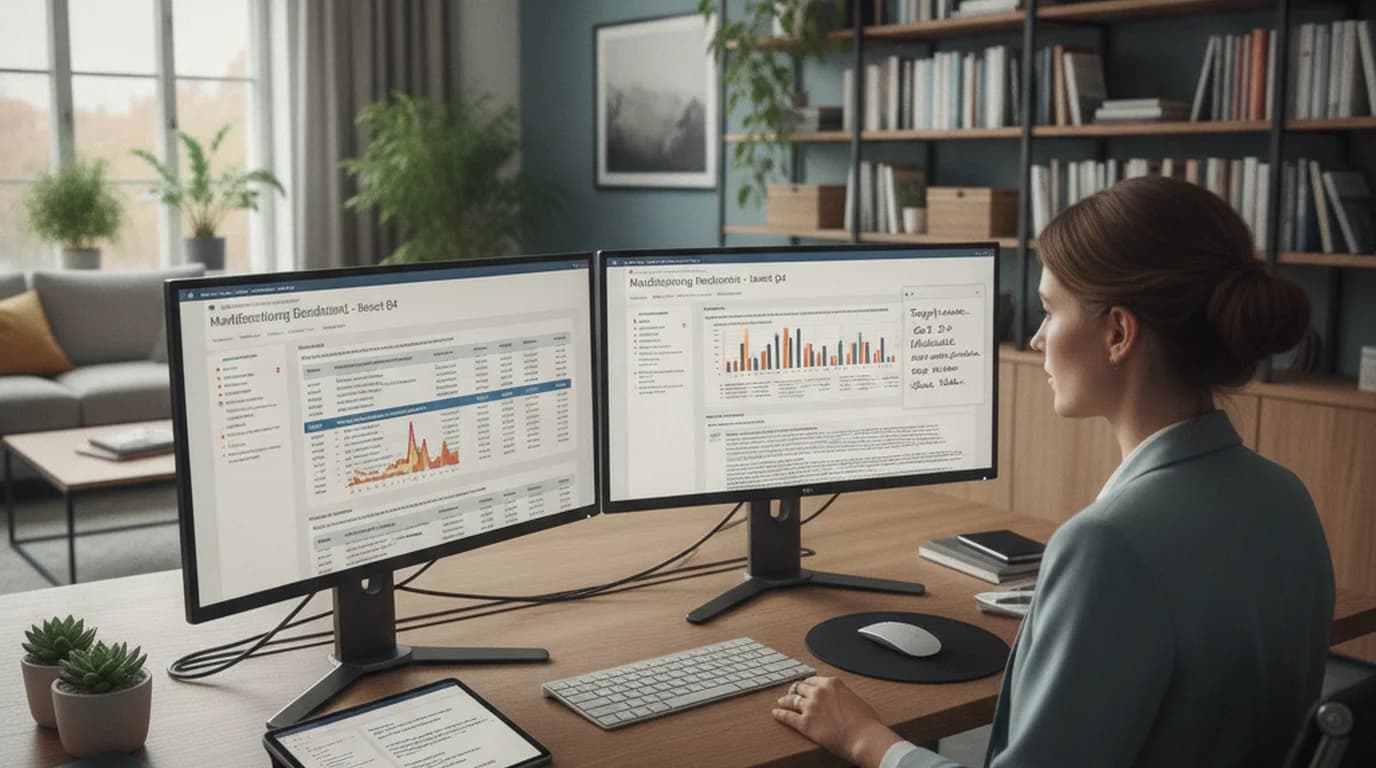
I'm the communications director for an environmental advocacy nonprofit. Ten-person team, a budget that accounts for every line item, and no allocation for transcription software. We still produce 20–30 videos a month — event recordings, board meetings, field documentation, advocacy content — and all of it needs to be accessible, searchable, and usable for donor reports and grant documentation. Here's how we do it without a transcription budget.
The Content We Produce and Why It All Needs to Become Text
Nonprofits produce a surprising amount of video content that needs to exist in text form for reasons beyond just accessibility.
Grant documentation. Most funders want evidence of program activity — quotes from beneficiaries, event summaries, participant feedback. A video is evidence, but a video with a text excerpt is evidence you can paste into a report. When a program officer asks for a quote from our community panel event, I need to locate it in 10 minutes, not 90.
Board meeting records. Our bylaws require written records of board decisions. We record every meeting and our past approach was manual minutes — summarizing in real time. The summary quality depended entirely on who was writing. Now we record and transcribe, which gives us verbatim records and frees up whoever used to take minutes to actually participate in the meeting.
Captions for accessibility. Our largest funder specifically evaluates accessibility practices in grant applications. All published videos need captions that meet WCAG 2.1 AA standards. YouTube's auto-captions don't meet that standard — they're accurate enough for casual viewing but not for ADA compliance, particularly on our policy-heavy content.
Social media. Quote graphics, newsletter excerpts, LinkedIn posts — all of this comes from the things speakers actually said in our events. The transcript is the source material.
How We Transcribe Without a Budget
The answer is free AI transcription tools, specifically sipsip.ai's free Transcriber, which gives us 30 free credits with no credit card required.
We have two account holders on the team — myself and our program coordinator — which gives us 40 credits a month combined. At an average of 1–2 video files per credit depending on length, that covers most of our monthly volume. For overflow, we use the YouTube built-in transcript panel for any content we've already published to YouTube, which is free and unlimited.
[PERSONAL STORY] The first time I used AI transcription for our annual gala recording was a revelation — 2 hours of video, clean transcript in 15 minutes, ready for the grant report that was due in two days. I'd been dreading that task for a week. The entire processing time, including my review pass, was 45 minutes. The grant report section I'd normally spend a full afternoon on was done before lunch.
The Workflow for Each Video Type
Event recordings (panels, presentations, galas):
- Export the event recording as MP4 from Zoom, our video camera, or the venue AV system
- Upload to sipsip.ai — transcript arrives in 10–20 minutes depending on length
- Read the AI summary first — this becomes the event recap for our newsletter
- Search the transcript for quotable moments — pull 5–8 for social content queue
- Export full transcript to a shared folder labeled by event and date
Board meetings:
- Zoom recording auto-exports as MP4 after the meeting ends
- Upload immediately — transcript ready before the next item on my to-do list
- AI summary is reviewed against the formal agenda — it catches most decisions accurately
- A team member does a 15-minute review to verify votes and decisions are accurately captured
- The approved summary becomes our official minutes; the full transcript is archived
Field documentation and advocacy videos:
- iPhone recording exports as M4A or MOV — both upload without conversion
- Transcribe for accessibility captions and for grant evidence
- Key quotes are pulled for funder reports with exact timestamps cited
Related: How to Transcribe a Video for Free — 4 Methods That Work
Getting Captions From Transcripts
Turning a transcript into a proper caption file takes one extra step beyond the transcription itself.
I export the sipsip.ai transcript as plain text, then open it in Subtitle Edit (free, open-source subtitle editor) and convert it to SRT format. Subtitle Edit automatically segments the text into caption-length chunks and uses the transcript timestamps for timing. For most of our videos, this produces a working SRT file in about 10 minutes of adjustment.
The SRT file uploads directly to YouTube under the "Add subtitles" option in Video Manager. The resulting captions are accurate and properly timed — far better than YouTube's auto-generated version, and compliant with WCAG standards.
[ACCESSIBLE CONTENT NOTE] According to the CDC, 1 in 6 Americans has some degree of hearing difficulty. For advocacy content where the message needs to reach the broadest possible audience, accurate closed captions aren't optional — they're the difference between content that's accessible and content that only serves part of your community.
Building a Searchable Archive of Our Work
The cumulative effect of transcribing every video is an archive we never had before.
Our shared folder now has text transcripts of every event we've recorded for the past 14 months — searchable by keyword. When a grant application asks about our community engagement activities in the past year, I search the folder for "community" and get every panel discussion, Q&A, and participant feedback session we've run. What used to require me to remember or dig through old newsletters now takes a three-second search.
For funders doing site visits, I can pull 5 specific verbatim quotes from program participants within minutes of a question. That's a very different presentation of evidence than "we have these recordings if you want to watch them."
The archive also helps with staff turnover. Two team members have left since we started this practice, and their institutional knowledge — the community conversations they facilitated, the feedback they gathered — is preserved in searchable text rather than in their memory or in unprocessed recordings nobody will watch.
What We Don't Do (Yet)
We don't currently transcribe everything automatically — our 40 monthly credits require prioritization. We prioritize: grant-relevant content first, board meetings second, public-facing events third, and internal meetings only when there's a specific reason to have a record.
For organizations with higher volume, sipsip.ai's paid plans are priced per credit and would scale without the monthly cap. For our current volume, the free combination of sipsip.ai and YouTube's native panel handles everything.
If you're running a nonprofit with video content you're not able to process, start with sipsip.ai's free Transcriber on your next event recording. Twenty credits is enough to build the workflow and see whether it saves the time we're describing.
Frequently asked questions
I manage communications for a nonprofit with no line item for transcription software. Here's how we turn every recorded event, board meeting, and advocacy video into searchable text, social captions, and grant documentation — for free.