We went from 12 to 31 people in six months. In a startup, that's not growth — that's controlled chaos. Every new hire asked the same questions. Every process existed in someone's head. Every decision had context that wasn't written down anywhere. I was the Head of People, which meant I was also the unofficial keeper of institutional knowledge, which meant I spent a significant portion of my time answering questions that should have had documented answers.
I needed a knowledge management system. Specifically, I needed one that could be built in weeks, would actually get used, and wouldn't require a dedicated knowledge manager to maintain. Here's what I built.
Why Traditional Options Didn't Work
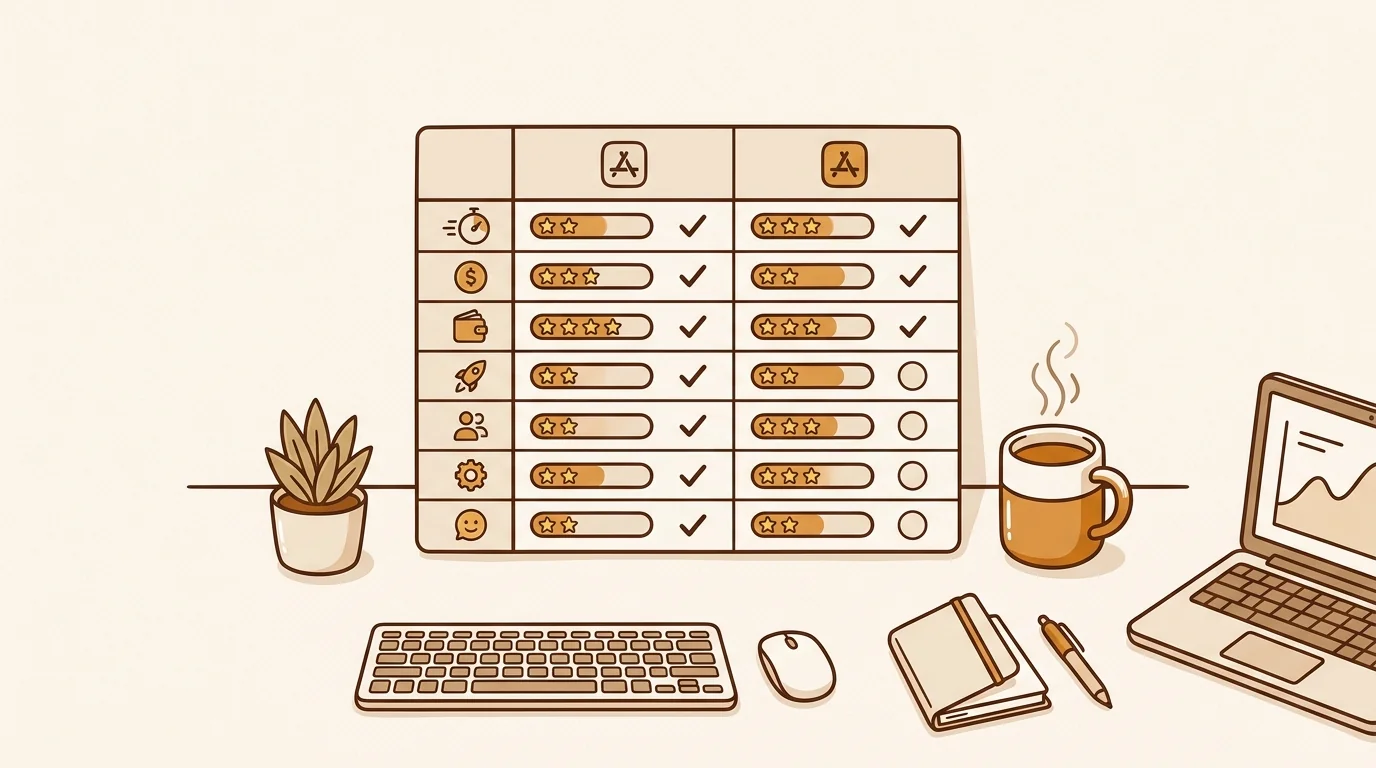
I evaluated Confluence, Guru, and an expanded Notion setup. All three had the same fundamental problem: they required humans to write and maintain the documentation. At our growth rate, the time investment to build a proper Confluence wiki would have been substantial — and the moment we stopped actively maintaining it, it would start to decay.
The knowledge I actually needed to capture wasn't in documents. It was in recordings. Our all-hands meetings. Our architecture review calls. The founder's weekly updates. The onboarding sessions we ran for the first few hires that contained irreplaceable context about why we made certain product decisions. All of that existed as audio, not text, and none of the traditional KMS tools could do anything with it.
The Approach: Process First, Organize Later
I started with sipsip's Transcriber and Mindverse for one simple reason: they could process audio and video, not just text. The first thing I did was process our backlog of recorded meetings and onboarding sessions.
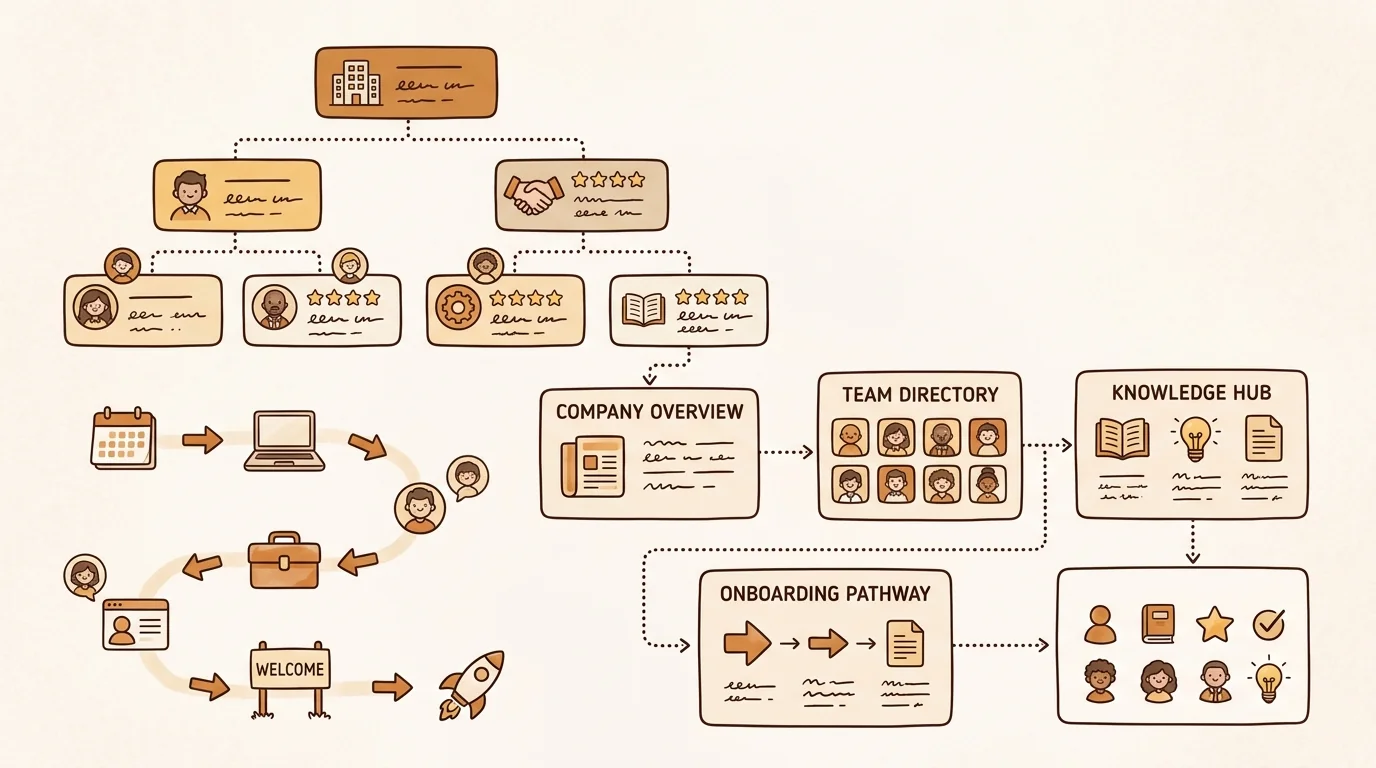
Week 1-2: Processed 28 recorded all-hands meetings and 6 onboarding sessions. Total effort: about 3 hours of upload time; the rest was automated. Mindverse extracted decisions, process changes, and context from each recording.
Week 3: Added our internal documentation — SOPs, process docs, decision records — by uploading PDFs and Google Docs via the browser extension. The distillation layer processed everything and built cross-document connections.
Week 4: Built a shared Mindverse workspace for the team. Set up the Daily Brief to monitor our key industry sources, so team knowledge about the market built passively.
Week 5-6: Onboarded 8 new hires using the knowledge base as their primary reference. Instead of pointing them to a Confluence page, I had them query Mindverse.
What the System Covers Now
Institutional decisions: Every major product, hiring, or operational decision from the past year is captured in Mindverse — extracted from the meeting recordings where those decisions were made. A new hire can ask "why did we build X instead of Y?" and get an answer from the actual discussion, not a retelling.
Processes and SOPs: Our documented processes are in the knowledge base and connected to the meeting context where they were created. If a process seems weird, the context for why it exists is usually discoverable.
Onboarding: New hires now spend their first week with structured queries rather than ad-hoc questions. We give them a list of 20 questions to research in the knowledge base — things like "what's our north star metric and how did we decide on it?" The knowledge base has the answers, grounded in actual team discussions.
Ongoing team learning: New all-hands recordings get processed weekly. New product decisions go into the knowledge base as they're made. The system grows from the team's actual activity rather than from someone's documentation backlog.
What I Learned About Knowledge Management Process
The most important lesson: the knowledge management process can't depend on voluntary documentation effort. At a fast-moving startup, documentation will always lose to execution — it's not a discipline problem, it's a prioritization reality.
The way around this is to capture knowledge as a byproduct of existing activities rather than as a separate task. Recording meetings is cheap; processing those recordings into a searchable knowledge base is what Mindverse automates. The team doesn't do anything differently — they just have a system that learns from what they already do.
Six weeks in, I have a 340-item knowledge base built almost entirely from existing recordings and documents, with minimal active effort from me or anyone else. The onboarding experience for new hires is measurably better. The "#does-anyone-know-why-we-did-X" questions in Slack have dropped noticeably.
Related: What Is a Knowledge Management System? A Technical Guide for 2026 Complete Guide: Knowledge Management: The Complete Guide for 2026
That's the knowledge management system I needed. It took 6 weeks to build and takes about 30 minutes a week to maintain.
Start your team knowledge base at sipsip.ai — the free tier is enough to process your first batch of recordings and see if the pipeline works for your team.

Our team doubled in 6 months and our onboarding was chaos. I built a working knowledge management system with sipsip Mindverse — without a dedicated knowledge manager.