My dissertation involves French-language cognitive science research — specifically work coming out of labs in Paris, Lyon, and Montreal. For the first year, I was spending 3–4 hours every time I needed to work with a French source: rewinding conference recordings, running sections through Google Translate, checking dictionary entries for terms that didn't quite make sense. My French is functional, not fluent. The translation overhead was constant.
The Problem With French Research Sources
French cognitive science research doesn't always appear in English — or it appears years later, translated, at which point it's no longer ahead of the curve. The journals I track (Revue de Neuropsychologie, Psychologie Française) publish in French by default. Conference talks at RISC and Journées d'Étude sur la Parole are in French. Collaborator interviews with researchers at EHESS and CNRS happen in French.
To work with any of it in my notes, I needed English. And for text, at least, the tools have gotten genuinely good.
What I Actually Use
For French text: DeepL is better than Google Translate for academic French. The difference is clearest with complex sentences and nominalized constructions — the kind of writing where French academic style packs a lot into a single clause. DeepL's English output is close enough to publication-quality that I use it for my reading notes without editing. I edit before quoting anything formally.
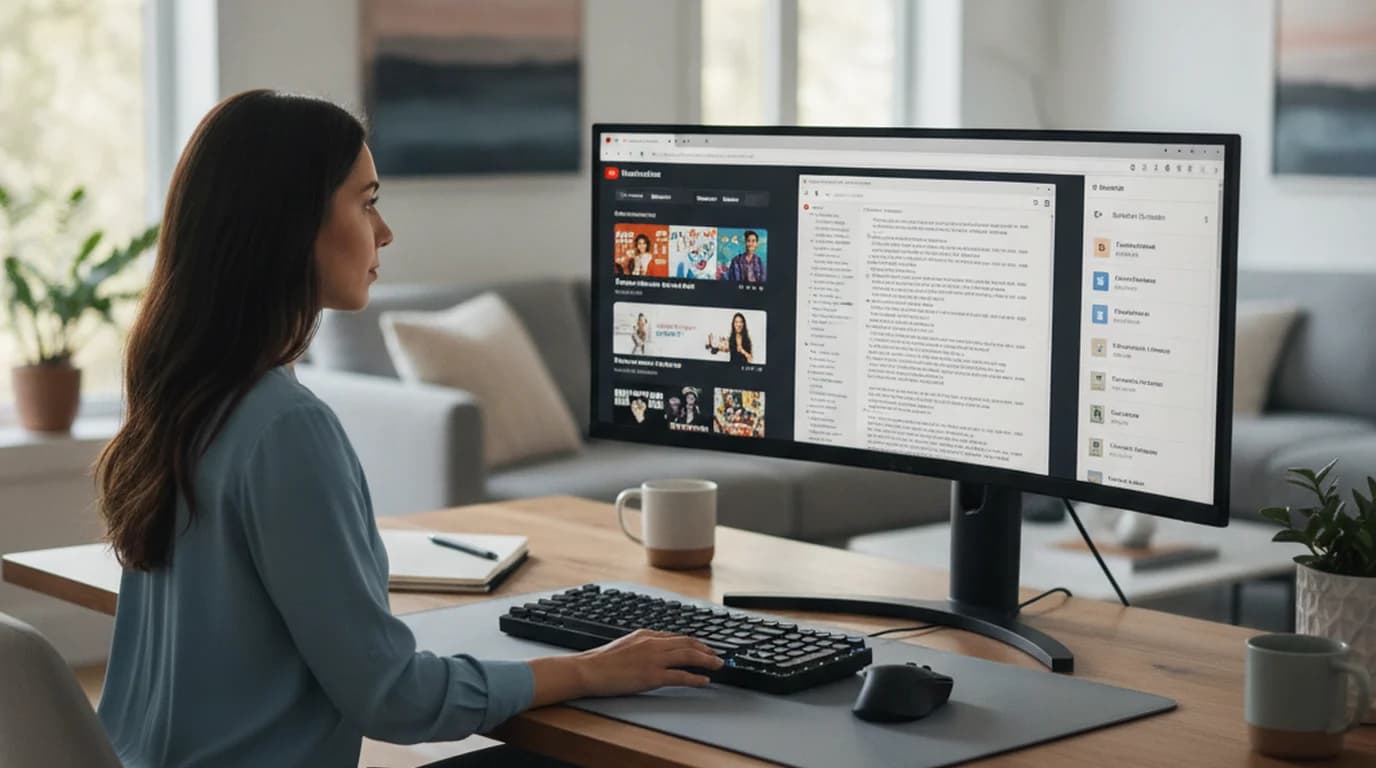
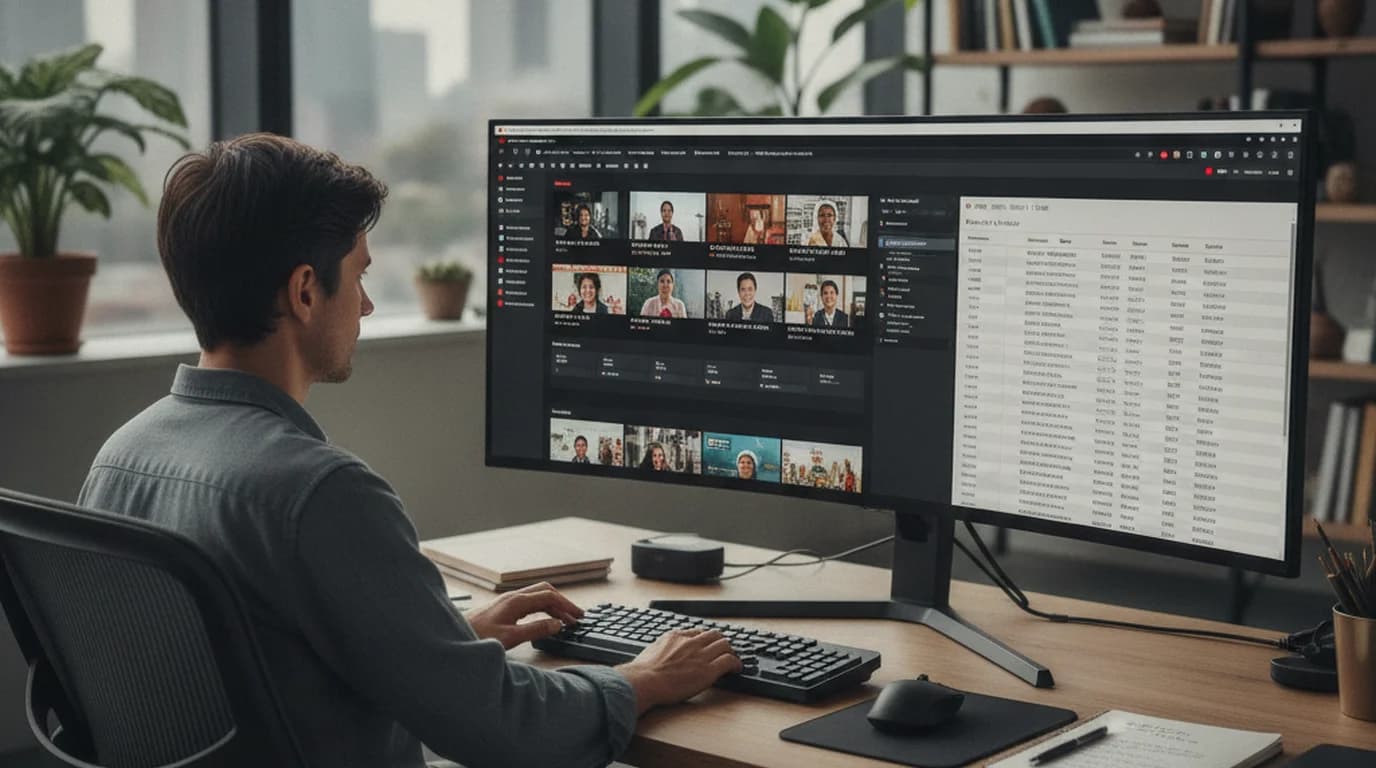
For French audio and video: DeepL doesn't help here. For recorded content — interview recordings, conference talks on YouTube, French podcast episodes about cognitive science — I use sipsip.ai's transcriber first.
"I had 8 hours of French conference recordings sitting in my downloads folder for six months because I didn't have a workflow for them. I processed all of them in an afternoon."
— Amelia Scott
My Workflow for French Research Audio
French conference talks and interviews are the content I most needed a workflow for. The steps:
Upload to sipsip.ai and select French. I paste the YouTube URL directly — most conference talks are posted to YouTube within weeks. For recorded interviews I've conducted myself, I upload the audio file. Processing time for a 60-minute recording is approximately 5 minutes.
Review the transcript for proper nouns. French names — of researchers, institutions, research programs, methodology terms that have no standard English equivalent — are the most common transcription errors. I scan for these before translating. Proper nouns that got garbled in transcription will produce wrong output in translation.
Paste into DeepL. I select French as the source and English as target. For a 60-minute recording, the transcript is typically 7,000–9,000 French words — within DeepL's free monthly limit.
Related Article
How to Translate Audio Files to English (AI Method, 2026)
The False Cognate Problem
The translation accuracy issue I hit most with French is false cognates — words that look similar to English words but mean something different.
"Actuellement" means currently or at present, not actually. "Éventuellement" means possibly or if it comes to that, not eventually. "Sensible" means sensitive or perceptive, not sensible. "Raisonnable" means reasonable, but "actuel" (current) is often misread as actual.
DeepL handles most of these correctly in context. Where it occasionally fails is with domain-specific terms where the standard French meaning diverges from what the author intends. Philosophy papers are the worst case — I've started keeping a short glossary of terms I've caught being mistranslated in papers I know well enough to check.
According to a 2024 study in Machine Translation, DeepL outperforms Google Translate on French-English academic text by a statistically significant margin on BLEU scoring, with the largest improvement on sentences longer than 30 words — exactly the sentence structures common in French academic writing.
Handling French Conference Recordings on YouTube
Most conferences post talks on YouTube within a few weeks. My workflow:
- Copy the YouTube URL
- Open sipsip.ai and paste the URL
- Select French, start transcription
- While it processes, continue other work
- Return to a full French transcript with timestamps
- Paste into DeepL for English
For a 45-minute conference talk, I typically have usable English notes within 10 minutes of starting the process — 5 minutes transcription, 5 minutes translation and a quick scan. Compare this to the alternative: watching the full recording at 1.5x speed while taking notes.
Related Article
Video Translation: Methods, Tools & Complete Guide 2026
What Doesn't Work
Highly technical philosophy of mind content: French philosophers use nominalization extensively — converting what in English would be a verb phrase into a complex noun phrase. DeepL handles most of this, but particularly dense Derrida-adjacent writing occasionally produces English that's grammatically correct but semantically unclear. I read these sections in French and translate manually.
Canadian French (Québécois): The cognitive science research coming out of Montreal and the Université de Montréal often includes Québécois vocabulary that has a slightly different distribution than Parisian French. Transcription accuracy is still high, but a few terms used specifically in the Montreal research community occasionally come through oddly. I've built a short personal glossary for these.
Audio quality from older recordings: Anything recorded before about 2018 on conference-grade equipment has noticeably more noise issues that increase word error rates. I clean these up manually in sections rather than accepting the automated output.
Amelia Scott is a PhD candidate in cognitive science. She uses sipsip.ai to transcribe French academic conference recordings and interview audio as part of her multilingual research workflow.
Frequently asked questions

As a PhD candidate in cognitive science, I work with French-language research constantly — journals, conference proceedings, interview recordings. Getting usable English from French audio and text used to take most of my afternoon. It doesn't anymore.