I manage brand and content for a B2C software company with a vocal creator community. Our customers post YouTube reviews, tutorials, and complaints. For a long time, I found out about negative coverage from our support team — or worse, from Twitter. sipsip.ai changed when I find out and how fast I can respond.
The Brand Intelligence Gap
Social listening tools do a decent job with text: Twitter, Reddit, review sites. But YouTube is a black box. A creator with 200k subscribers posts a video that's 60% positive and 40% critical of your product. That video gets 50k views in 48 hours. Standard social listening doesn't surface it until the comments start spreading elsewhere. By then, a narrative has already formed.
We had this happen twice. Both times, I found out from someone on the sales team who'd seen a prospect mention it. That's not a brand monitoring process — that's luck.
What Good Brand Monitoring on YouTube Would Look Like
I needed to know: which creators in our space are posting new content, what they're saying about us and our competitors, and what the sentiment is — positive review, critical tutorial, or comparison where we lose. Ideally within 24 hours of posting, not 72.
I didn't need to watch every video. I needed to know what was in them — quickly and consistently.
Setting Up Monitoring With sipsip.ai
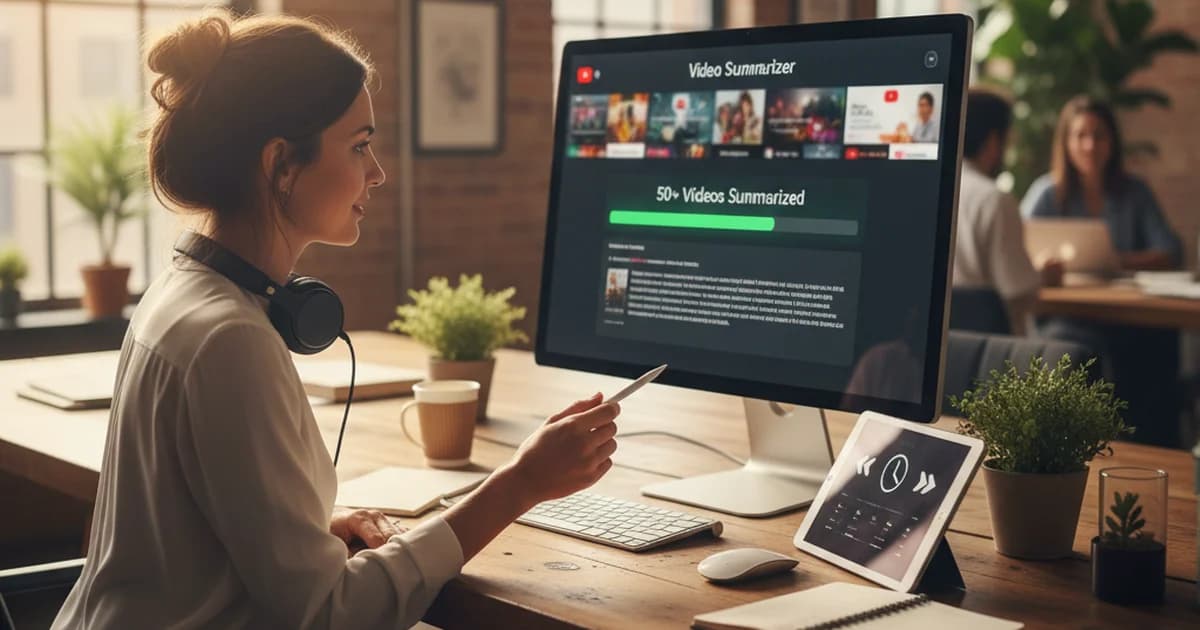
I subscribed to 40+ creator channels in my sipsip.ai daily brief: product reviewers in our category, tutorials channels that cover tools like ours, comparison and 'best of' content creators, and a few bigger tech commentary channels where our product occasionally comes up.
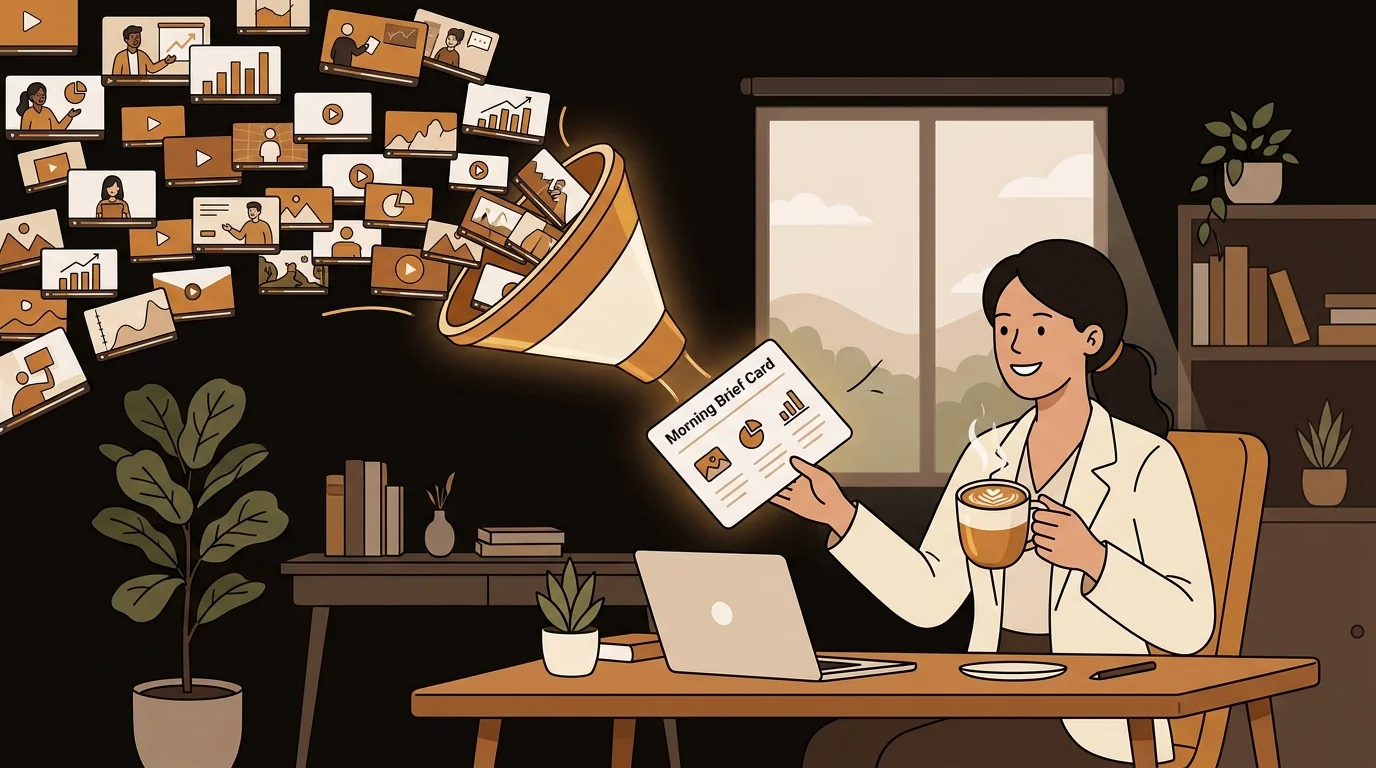
Each morning, my brief covers every new video from those channels posted in the last 24 hours — with a summary of what was said. I scan for brand mentions in about 5 minutes. Anything that mentions us, or mentions a direct competitor in a way that's relevant to how we're positioned, gets flagged.
"I'm not watching 40 creator channels. I'm reading 5 minutes of summaries every morning and knowing immediately if something needs attention."
— Olivia Wilson
What Happens When I Catch Something
When a video mentions us, I click through to the sipsip.ai transcript and jump to the relevant section. Within 10 minutes of opening my morning brief, I can have the exact context of what was said, the sentiment, and whether it's something the product team needs to see or something I should respond to in the comments.
For positive coverage, I share it immediately with the team and use it in social content. For critical coverage, I flag it before it builds momentum and we decide whether to respond. In both cases, the lag between 'video posted' and 'brand team knows' has gone from days to hours.
- Positive review → team shoutout, social repost, creator outreach
- Critical video → flag to product team, draft response, monitor comment sentiment
- Competitor comparison → strategy team briefed with full context
- False information → correct in comments before it spreads
The Competitor Intelligence Bonus
Monitoring creator channels for brand mentions also gives me competitive intelligence I didn't have before. When a creator does a tutorial on a competitor tool, the summary tells me what features they highlighted and what workflow they used it for. When a comparison video comes out, I know within hours how our product was characterized — not when the Twitter thread goes viral a week later.
Daily Brief
Monitor any YouTube channel — get daily briefs on what's being said
Related Story
How our team uses /transcribe in Discord to kill the shared-link graveyard
What I Wish I'd Had Sooner
The gap in our brand monitoring was always video. Text-based social listening was handled. Email newsletters we subscribe to manually. But YouTube — which in our category is where the most influential product opinions live — was a blind spot. Closing it didn't require watching 40 channels. It required a smarter way to read what's in them.
Frequently asked questions

I'm a brand manager, and I used to be the last person to know when a creator talked about us. sipsip.ai now monitors every channel that matters and surfaces sentiment signals — so I'm first, not last.