This article is a technical analysis, not legal advice. We focus on architecture-level lessons and avoid publishing or redistributing unauthorized source code.
The Claude Code leak triggered a lot of noise: screenshots, hot takes, and legal debates.
The useful question is different:
What does this incident reveal about the competitive direction of the AI developer tools market?
This post distills the market and strategic signals that matter for builders, engineering leaders, investor, and developer tool startups — not a technical architecture breakdown, but a competitive landscape read.
Claude Code Leak Explained in 60 Seconds
If you searched for “Claude Code leak explained”, here is the short version:
- Public package artifacts appear to have included a large source map with rich
sourcesContent. - That exposed enough structure to infer how the runtime orchestrates tools, permissions, and agent flows.
- The biggest insight is strategic: AI coding assistants are becoming execution systems, not just chat UIs.
This article focuses on architecture and product direction, not redistribution of source code.
What the Claude Code Leak Actually Showed
The Claude Code source map leak appears to expose a large cli.js.map artifact where sources and sourcesContent align by index. That means source reconstruction is straightforward when full sourcesContent is present.
At a high level, the incident highlights a recurring release risk:
- Build pipelines that accidentally ship production maps with embedded source
- Incomplete packaging guardrails for npm artifacts
- Weak release-time validation for sensitive metadata
From a security and product perspective, this is less about one vendor and more about a systemic pattern in modern JavaScript toolchains.
Market Implications: Who Wins and Who Loses
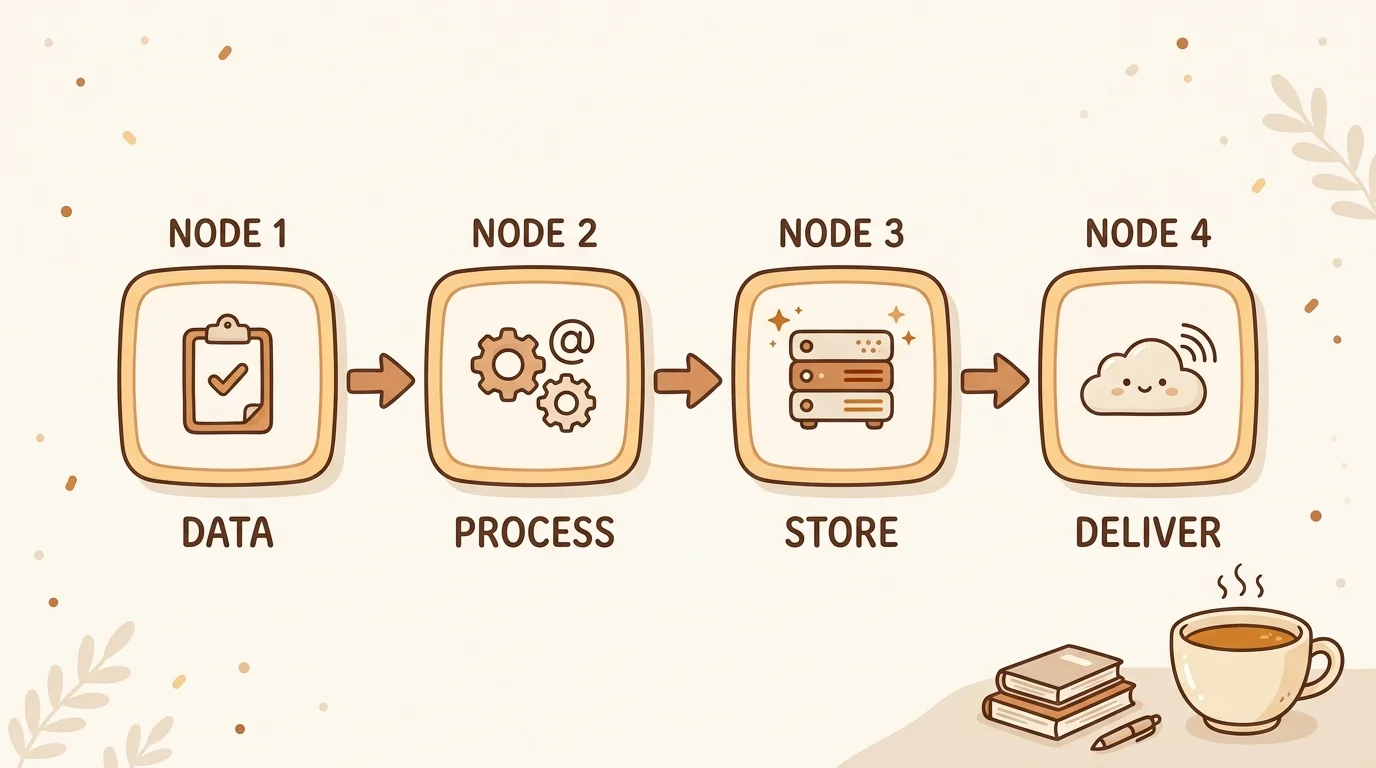
The Claude Code leak reveals a product that is no longer a “chat interface over an LLM.” It is an execution system — stateful, policy-governed, tool-orchestrating, and multi-agent capable. That shift has direct competitive implications.
Products That Win
Enterprise-first incumbents with existing policy infrastructure. GitHub Copilot, JetBrains AI, and tools embedded in enterprise IDEs already have policy, compliance, and SSO layers. The execution system model plays to their distribution strengths — procurement teams want controllable tools.
MCP-connected platforms. The Model Context Protocol is becoming infrastructure. Tools that build reliable, typed connector ecosystems will have a platform advantage that pure LLM quality cannot offset. The question is no longer “which model is better” — it's “which assistant connects to the most enterprise systems reliably.”
Workflow-aware tools. As AI coding shifts from single-turn to managed multi-step workflows, tools designed for workflow thinking (not just “chat and get code”) will gain. This includes products with task queuing, context management, and structured human-in-the-loop checkpoints.
Products Under Pressure
Standalone chat wrappers. Tools that provide a conversational interface over an LLM API, with no tool execution, no policy layer, and no workflow management, are being commoditized. The execution layer is the moat — and it requires significant engineering investment.
Single-model dependency plays. Products built as thin wrappers around one provider's API are exposed to model switching risk. The Claude Code architecture suggests Anthropic is moving up the stack — into orchestration, not just generation. Other model providers will follow.
Consumer-focused developer tools. Enterprise adoption of AI coding assistants is moving faster than consumer adoption, and enterprise requirements (policy, audit, permission governance) are significant switching costs that consumer tools aren't designed to meet.
The Build vs. Buy Decision for Startups
For developer tool startups, the Claude Code leak crystallizes a strategic choice:
Build the execution layer yourself — invest in tool orchestration, permission management, and session state. This is a multi-quarter engineering commitment, but it creates defensible differentiation.
Partner or build on top of MCP — treat the execution layer as infrastructure and compete on vertical workflow specialization. A legal-specific AI coding assistant with deep domain context and compliance defaults can win against general-purpose tools in its vertical.
Compete on connector reliability — if the winning product is the one with the best MCP connector ecosystem, there's a market in building and maintaining high-quality connectors for specific enterprise systems that general tools don't prioritize.
For a technical breakdown of the specific architecture layers visible in the leak, see Lessons from the Claude Code Leak: Architecture, Product Direction, and Data Security.
Future Direction: What Happens Next
Based on current technical signals, here are the most likely trajectories for the future of AI coding assistants.
1. From “Copilot” to “Coordinator”
Expect a shift from one assistant helping one developer to orchestrators that can:
- spawn scoped sub-agents
- track long-running tasks
- merge outputs into a coherent result
The product moat moves from text generation to orchestration quality.
2. MCP and Connectors Become Core Product Surface
“MCP tools” are likely to become first-class user workflows, not advanced settings.
This means product teams will compete on:
- connector reliability
- auth/session durability
- typed tool contracts
- governance over external actions
3. Context Compression Becomes Economic Infrastructure
Long sessions are expensive and fragile. Architectures that include context collapse, summaries, and budget-aware execution will have clear cost and UX advantages.
This is a hidden but critical differentiator in production AI coding systems.
4. Security Defaults Become GTM Features
In enterprise markets, “secure by default” is no longer a compliance checkbox.
It becomes a go-to-market feature: procurement, legal, and platform teams want clear control over what an agent can read, write, execute, and send.
What This Means for Builders
If you are building in this space, prioritize these capabilities in order:
- Deterministic tool execution and recovery
- Policy-aware permissions and isolation
- Connector reliability (especially MCP-like interfaces)
- Session memory that can scale without runaway context costs
- Multi-agent coordination with auditability
If you only optimize prompt quality, you are competing in the wrong layer.
What This Means for sipsip Builders
At sipsip.ai, this direction supports our own product choices:
- We treat AI workflows as multi-step runtime pipelines, not single prompts.
- We prioritize reliability and data boundaries in transcription and summarization flows.
- We invest in practical integrations and operational guardrails over demo-only UX.
If you are exploring adjacent workflows, see:
- How AI Video Summarizers Work
- YouTube Video Summarizer API
- Lessons from the Claude Code Leak: Architecture, Product Direction, and Data Security
Final View
The Claude Code leak is not just a security story. It is a product strategy snapshot.
It shows where the category is heading:
- from chatbot UX to execution systems
- from single-turn answers to managed workflows
- from “smart text” to policy-governed developer infrastructure
That direction will likely define the next generation of AI coding platforms.
Frequently Asked Questions
Did the Claude Code leak expose enough to understand the product architecture?
Yes. Even without redistributing code, the leaked source map metadata and extracted module structure are enough to analyze core architecture: query loop, tool orchestration, permission system, MCP integration, and remote session design.
What is the most important technical signal from the Claude Code leak?
The strongest signal is that modern AI coding assistants are evolving into orchestrators of tools, policies, and multi-agent workflows, not just chat interfaces over an LLM.
Was Claude Code hacked, or was this a source map release issue?
Public reporting around this incident described it as a source map packaging and release artifact issue rather than a server-side breach. The practical lesson for teams is to harden build and publish pipelines.

With a background spanning advertising and internet, I've launched 8+ apps and built 10+ products across mobile, web, and AI. Now I'm building a system that extracts signal from noise — turning fragmented information into clear, actionable decisions.