I'm a freelance journalist and gig platform contributor. My byline goes out into the world. I apply for assignments, editorial positions, and platform verification regularly. I had never once thought to check what the internet actually says about me — until I did, and found things I didn't expect.
Why Freelancers Should Run a Background Check on Themselves
Most people assume that running a background check is something done to you — by a future employer, a landlord, or a platform onboarding team. The idea of running one on yourself feels almost backwards.
It isn't. It's one of the most practical things a freelancer or gig worker can do before a major opportunity.
Here's why: when someone searches your name before making a decision about you, they're not just looking at your portfolio. They're running an informal background check. They're reading everything findable about you — your articles, your social posts, other people's references to your work, your old bios, anything that's been indexed. You should know what they find before they find it.
I started doing this after a conversation with an editor who mentioned offhandedly that a piece of work attributed to me online had a tone that didn't match my other writing. I had no idea what she was referring to. When I looked it up, I found an article that had been incorrectly attributed to me on a content aggregator — a piece I'd never written, associated with my name and a description of me I didn't recognize.
That editor still hired me. But it made me think about what else might be out there.
What Happens When You Run an AI Background Check on Yourself
I used sipsip.ai's AI Investigator to run a personal background check — a full open-web investigation using my own name. I asked it to compile everything findable: articles, public mentions, bios, forums, social, court records, professional directory listings, anything.
The report took about 12 minutes. Here's what it surfaced:
The misattributed article. The piece the editor had mentioned was still indexed in two places. The AI pulled both, cited the sources, and confirmed the attribution. I was able to contact both sites to request corrections. One complied; the other didn't respond but de-indexed within 60 days.
An outdated bio on a platform I'd forgotten about. Five years ago I had a contributor profile on a vertical publication that I'd stopped writing for. My bio listed an employer I no longer worked for and described my "focus" as a niche I'd moved away from. That profile was still ranking for my name in search. I updated it.
A forum post with my name from 2019. Not damaging, but not something I'd want a senior editor at a national publication to stumble across before an introduction call. I requested removal. It's gone.
Two speaking mentions I didn't know existed. A podcast had mentioned my name and an article of mine in an episode. A media roundup site had cited my work. Both were positive — and now I know about them.
"I thought I knew what was out there with my name on it. The AI investigation found four things I didn't know existed — two I needed to fix, two that were actually useful to know about."
— James Okafor
The Things a Self Background Check Catches That You Can't Find Yourself
The problem with manually searching your own name is that you stop when the results look fine. You check the first two pages of Google, see your own website and LinkedIn, and conclude that everything's in order.
That's not a background check. That's a quick scan.
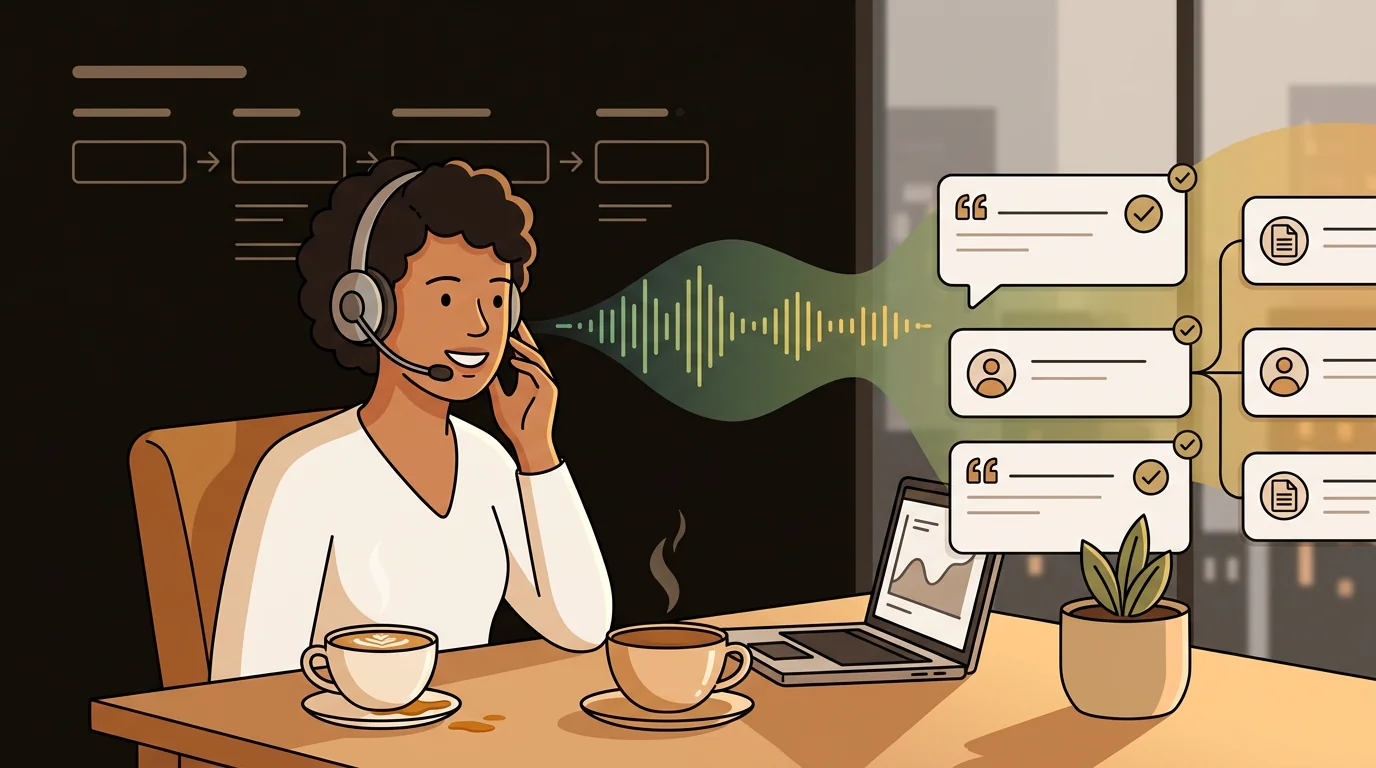
sipsip.ai's AI Investigator searches deeper: across content aggregators, forum archives, older publication sites, niche directories, court records, social platforms with public content, and sources that don't rank well but are still findable. It transcribes podcast episodes where you're mentioned. It pulls mentions from platforms that aren't crawled in standard web searches.
[UNIQUE INSIGHT] The most impactful self-background-check findings tend not to be the obvious ones — they're the stale profiles on platforms you've forgotten, the misattributions in content aggregators, and the public records that predate your professional reputation. These rarely appear in the first page of search results but are exactly what a thorough researcher — or an AI — would find.
The citation format matters too. The AI doesn't just tell me "there's something out there." It shows me exactly what it found, where it found it, and what it says. That means I can act on each item specifically — update, request removal, or at minimum know it exists before someone else mentions it to me.
How I Use This Before Major Professional Opportunities
I now run a self background check before:
- Pitching a publication I haven't worked with before
- Applying for editorial positions or staff roles
- Signing up for a new gig platform that has a verification step
- Before any significant media appearance (interviews, podcast guest spots)
The process is the same each time. I submit my name and any variants (I have a byline I've used in three slightly different forms over the years), specify that I want a full open-web personal background check, and review the dossier.
Total time: 15–20 minutes. I do this about four times a year, or whenever I'm pursuing something significant.
The goal isn't to curate a perfect public image. It's to know what's findable so I'm never caught off guard by something I could have addressed in advance.
What I Found That Was Genuinely Surprising
Two findings from the past year:
First, my name appears in the author metadata of a roundup article I edited but didn't write. The platform credited me as a co-author in the page's schema markup, but not visibly in the text. I wouldn't have found this without an AI search — it doesn't appear in search results, but it would be findable in a deep background check run by, say, a platform's editorial team. I contacted the publisher and asked them to correct the metadata.
Second, there was a one-star review on a freelance platform from a client I'd disputed work with in 2022. I knew the review existed, but I hadn't checked it in two years. The platform had updated its display format — the review was now more prominent than before. I updated my response to it.
Neither of these would have appeared in a "free background check" via a basic search. Both are the kind of thing that turns up when someone does a proper investigation.
Who Else Should Do This
If you're a gig worker, freelancer, or anyone whose professional reputation relies on what's findable about you online — this is worth doing at least once.
Journalists, writers, consultants, independent contractors, platform-based workers: your public record is always available to anyone who wants to look. Most people don't look carefully. But editors at serious publications do. Platform trust-and-safety teams do. Enterprise clients who are vetting a consultant do.
You don't need to be worried about what they'll find to benefit from knowing what's there. The freelancers and gig workers who thrive in the long run are the ones who treat their public record like something worth maintaining — not just something that happens to them.
Start with a free trial at sipsip.ai's AI Investigator. The first self-investigation will probably surface at least one thing you didn't expect.
Complete Guide: AI Background Check & People Intelligence: The Complete Decision-Making Guide
Get Early Access
Get early access to AI Investigator — run a background check on yourself before someone else does
Frequently Asked Questions
Is it legal to run a background check on yourself?
Yes — running a background check on yourself using publicly available information is fully legal. You're researching what's publicly findable about you. There are no consent or disclosure requirements that apply when the subject of the investigation is yourself.
What does a free background check on yourself actually cover?
Most "free background check" tools offer limited coverage — typically a name search that returns basic public records. sipsip.ai's AI Investigator searches more broadly: news archives, content aggregators, forum platforms, podcast transcriptions, older publication sites, professional directories, and public records. Coverage is wider and the output is more structured.
How often should I run a self background check?
For freelancers and gig workers, I'd recommend once per year as a baseline — and additionally before major opportunities like pitching a new publication, applying for platform verification, or pursuing a significant client engagement. Things change on the web constantly; a stale profile you forgot about can surface at any time.
What should I do if the AI finds something inaccurate about me?
If the AI surfaces a misattribution or inaccurate public record, the most effective steps are: (1) contact the publisher directly with a correction request, (2) use platform-specific removal tools where available, (3) for formal records issues, consult the appropriate governing body. The AI dossier provides source citations for each finding, so you'll know exactly where to direct requests.
Can I run a background check on myself for free?
sipsip.ai offers a free tier — check current pricing to see what's included. The AI Investigator is available on paid plans, with trial access available.

As a freelance journalist and gig worker, I assumed my public record was clean. Running an AI background check on myself surfaced a misattributed article and a stale bio I didn't know existed. I fixed both before they mattered.