I'm a third-year PhD candidate in cognitive science. My field moves fast — new findings from NeurIPS, CogSci, and a dozen smaller symposiums every month. I used to spend my weekends watching recordings. Now I spend 10 minutes on Monday morning and I'm caught up. Here's how.
The Problem Nobody Warned Me About
When I started my PhD, I assumed staying current with the literature was the hard part. Papers you can skim. But the field has shifted — the most exciting work now surfaces first as talks: conference presentations, workshop recordings, invited lectures. By the time the paper drops, the conversation has moved on.
The problem is that talks are dense and slow. A 45-minute NeurIPS presentation might contain 8 minutes of genuine insight. The rest is context-setting, Q&A, and slides I could read in 30 seconds. Watching every relevant recording was eating my entire Saturday and Sunday.
My Old Workflow (And Why It Broke Down)
I had a system: bookmark YouTube talks throughout the week, then batch-watch on weekends with notes open. It worked until my third year, when the volume hit a tipping point. Twenty-plus relevant talks per week. No way to watch them all. So I started skipping, which meant falling behind, which meant arriving at lab meetings without context my peers had — not a great place to be.
I tried speed-watching at 2x. I tried reading transcripts manually. I tried asking labmates to summarize things for me (they had the same problem). Nothing scaled.
Discovering AI Video Summaries
A labmate mentioned she was using sipsip.ai's transcriber to process conference recordings. I tried it that Sunday afternoon with five talks I'd been putting off for two weeks.
The first summary stopped me. It wasn't just a transcript — it was structured output: the research question, the methodology, the key findings, the limitations the presenter acknowledged. Everything I'd normally spend 40 minutes extracting, right there.
"The first summary stopped me. It wasn't just a transcript — it had the research question, the methodology, the key findings. Everything I needed, right there."
— Amelia Scott
My Current Workflow — 20 Talks, 10 Minutes
I've refined this over a few months. Here's exactly how I do it now:
- Throughout the week, I drop YouTube links into a running doc whenever I see a relevant talk posted.
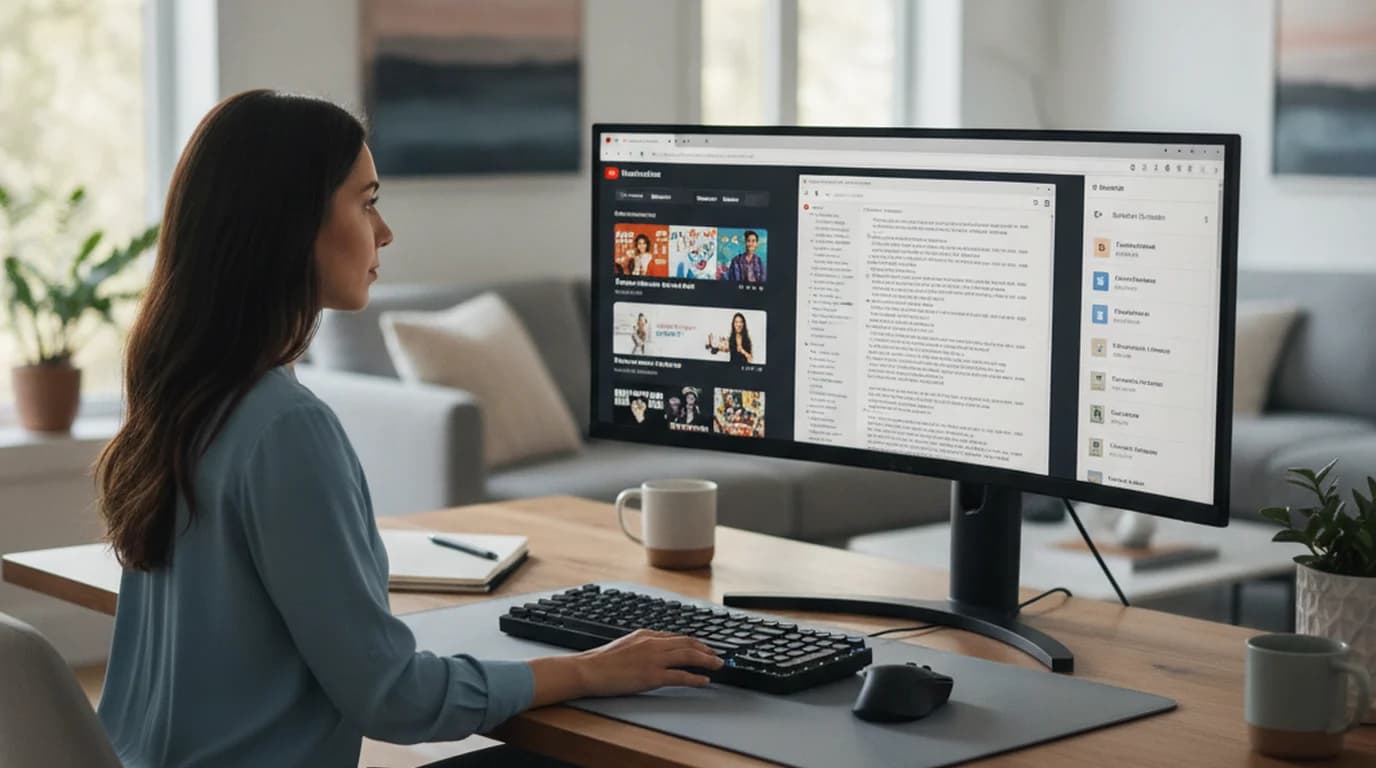
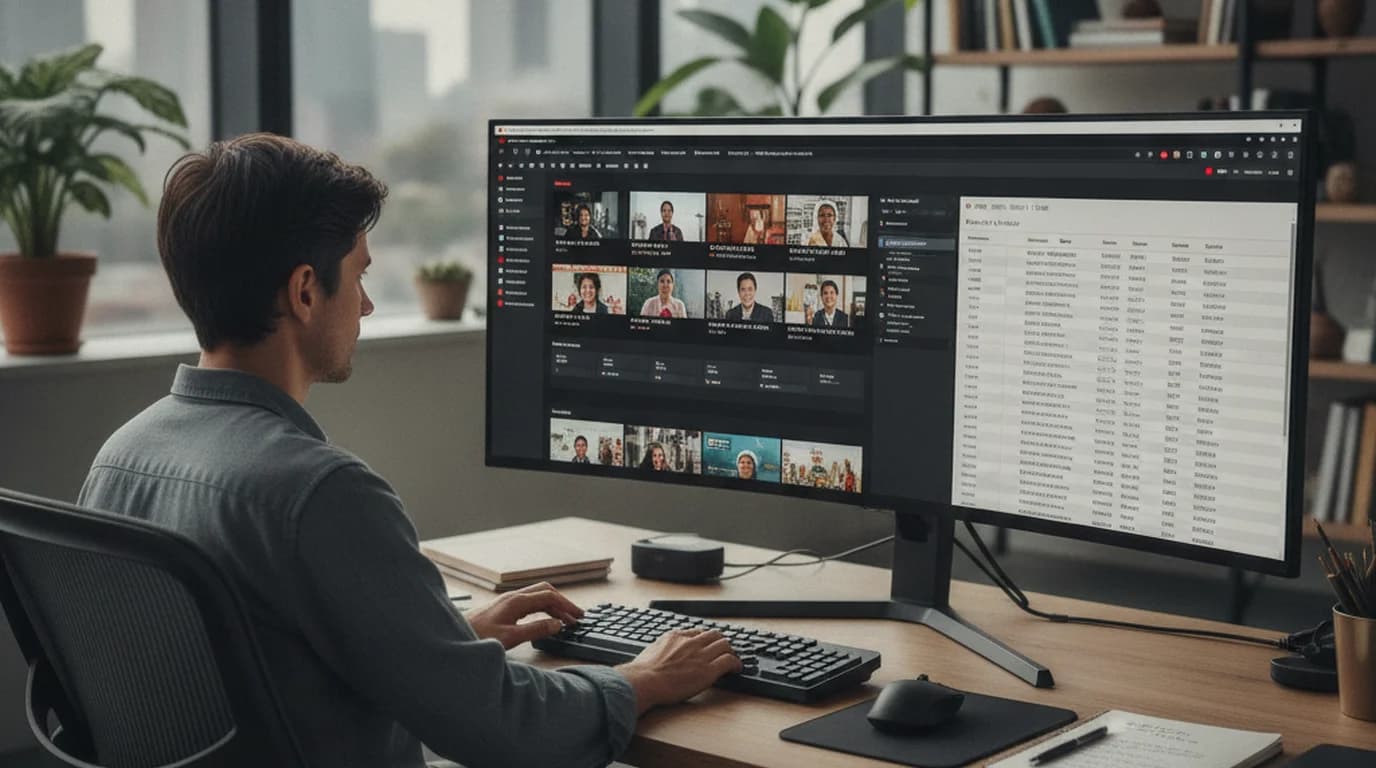
- Monday morning, I paste all the links into sipsip.ai and run summaries in batch.
- I read the summaries over coffee — the whole batch takes about 10 minutes.
- Talks with findings that are directly relevant to my thesis get flagged for closer reading (maybe 3–4 per week).
- For those, I use the timestamped transcript to jump straight to the sections that matter.
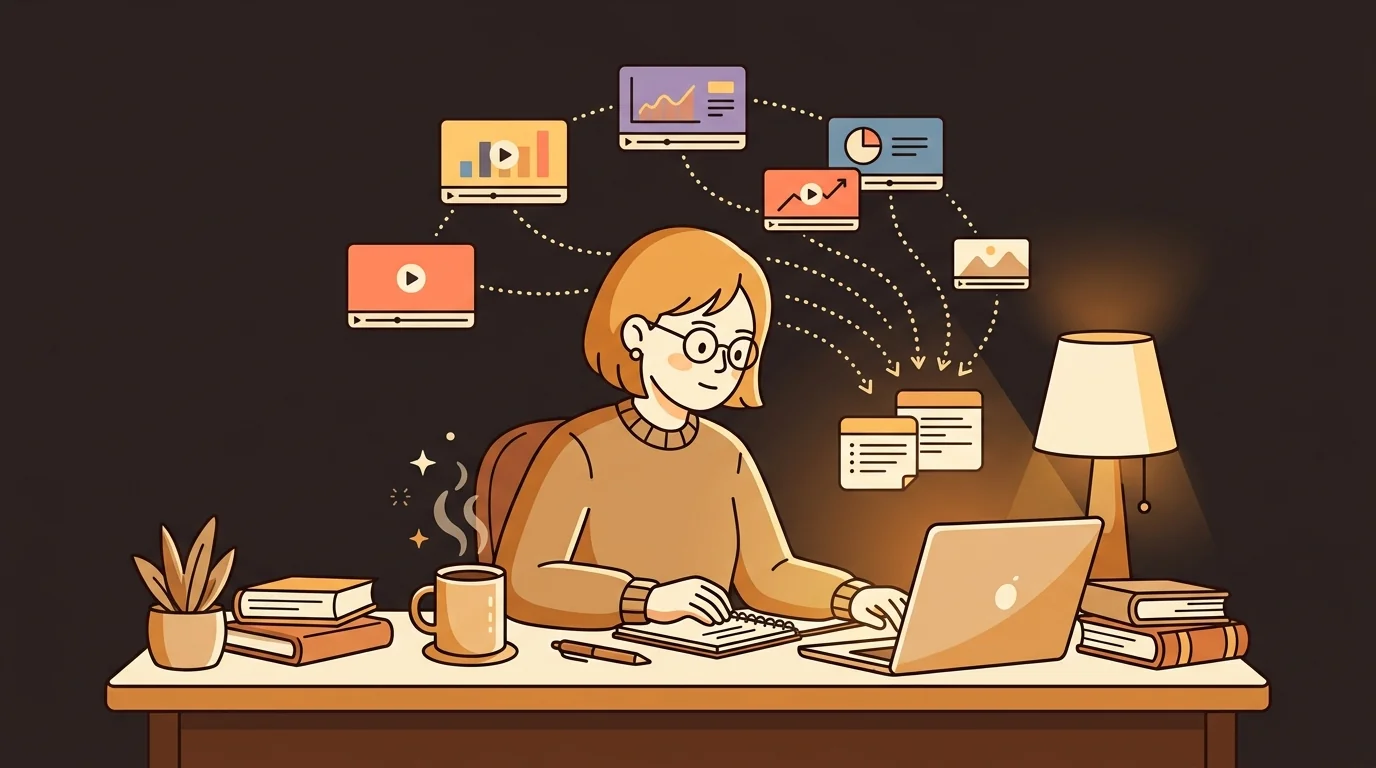
The key insight is that I don't need to engage deeply with every talk — I need to know what's in it. The summary gives me that. For the small subset that's truly relevant, I still watch. But I'm watching strategically, not by default.
What the AI Gets Right (And What It Doesn't)
In my experience, the summaries are strong on factual content — research questions, methods, quantitative results — and the structured format matches how I actually think about research. Where they're weaker is on rhetorical nuance: the presenter's hesitations, the debates in the Q&A, the things left deliberately vague. For 90% of talks, that doesn't matter. For the 10% where it does, I go back to the source.
I've also noticed it handles domain-specific terminology well — better than I expected. Cognitive science has a lot of jargon that general tools mangle. I haven't had significant issues with that.
The Research Impact
The most concrete change: I stopped dreading conference season. Before, the weeks after a major conference meant a backlog of recordings I'd never fully clear. Now it means a slightly longer Monday morning session and a list of 3–4 talks worth going deeper on.
I also find myself making connections I'd have missed before — between a methodology used in a talk I'd have skipped and a problem I'm working on. The coverage is the point. Seeing more, even at lower resolution, surfaces patterns that watching fewer things deeply can miss.
Try This
Automate your research feed — subscribe to channels and get a daily brief
Who Else Would Benefit From This Workflow
I've recommended this approach to several labmates and a few postdocs. It works especially well for anyone in a field where conference talks are the primary venue for new work — ML, neuroscience, economics, linguistics. If you're an academic who feels perpetually behind on recorded content, the bottleneck probably isn't your reading speed. It's the format.
Frequently asked questions

I'm a PhD candidate in cognitive science. I used to spend entire weekends scrubbing through recordings. With sipsip.ai AI summaries, I get every key finding in minutes — and actually move my research forward.