Examples tailored to researchers workflows, including practical setups, tradeoffs, and repeatable playbooks.
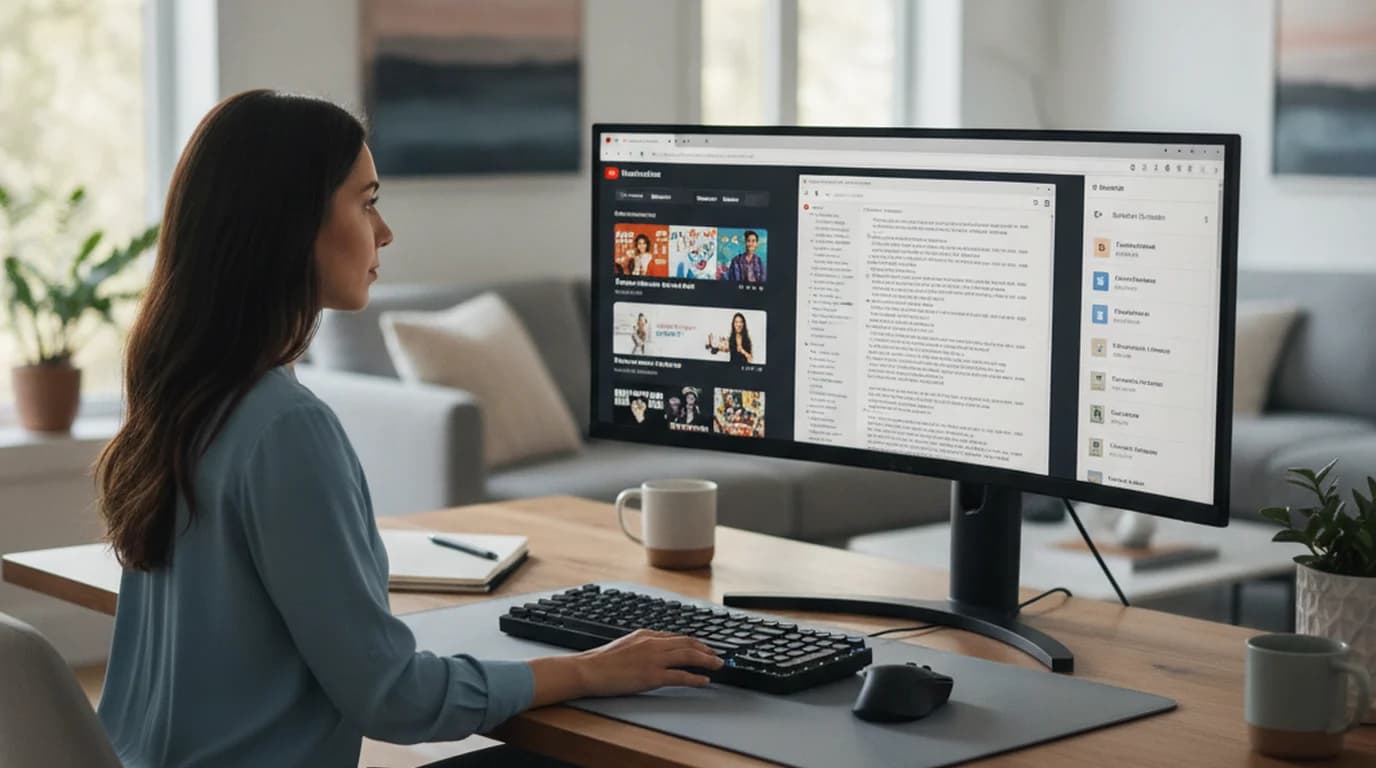
I Research 50 YouTube Channels a Month. Here's How I Actually Archive and Analyze the Video Content.
As a YouTube content researcher, I need to capture, archive, and analyze video content from dozens of channels simultaneously. Getting the content into a format I can actually work with — searchable, quotable, referenced by timestamp — is the whole job.

Jiwon Kim
Jul 03, 2026
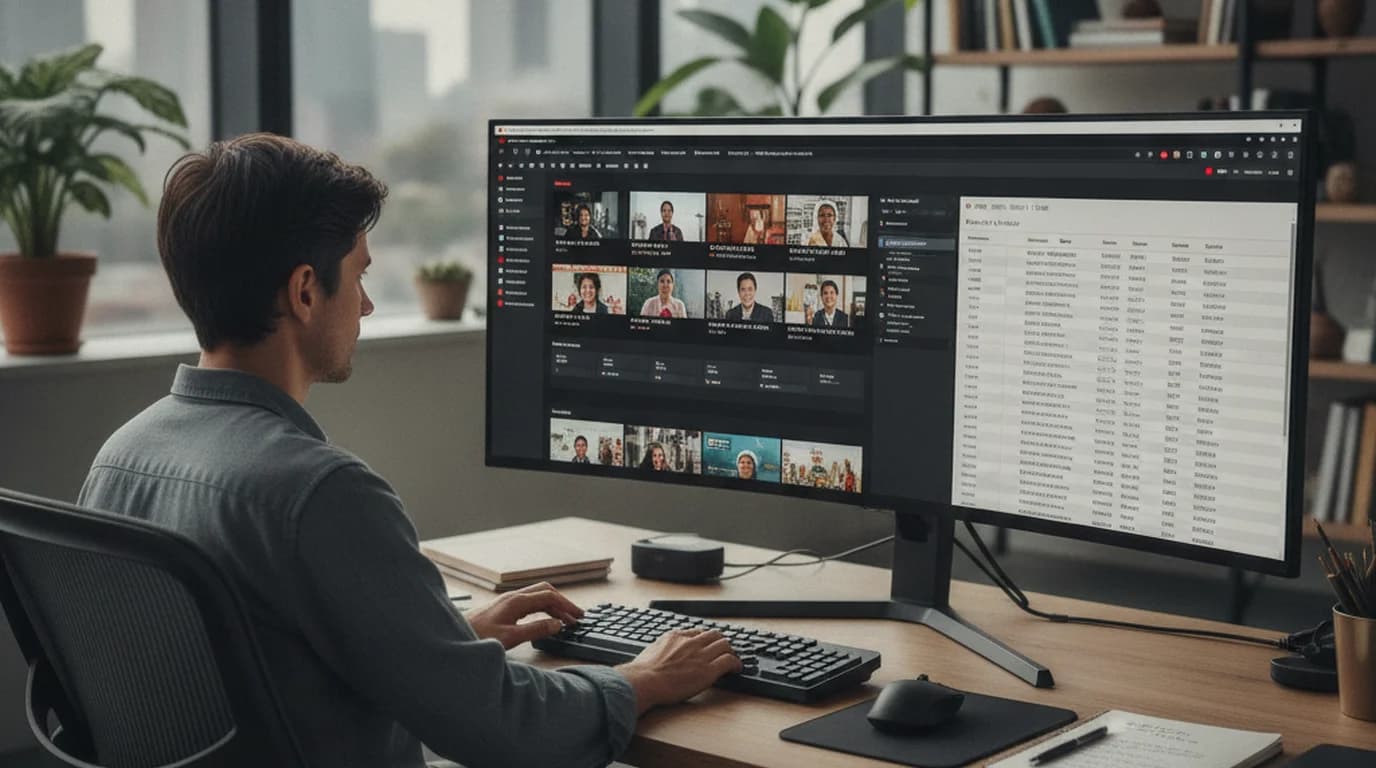
I Research Media Across Six Languages. Here's How I Turn YouTube Into Searchable Research Material.
As a language and media researcher, YouTube is my primary source for authentic spoken content across six languages — interviews, news segments, cultural commentary. Getting that content into a format I can actually analyze systematically took me two years to figure out. Here's the workflow.
Noah Hughes
Jul 03, 2026

I Read French Academic Papers Every Week. Here's How I Finally Stopped Losing Hours to Translation.
As a PhD candidate in cognitive science, I work with French-language research constantly — journals, conference proceedings, interview recordings. Getting usable English from French audio and text used to take most of my afternoon. It doesn't anymore.

Amelia Scott
Jul 03, 2026
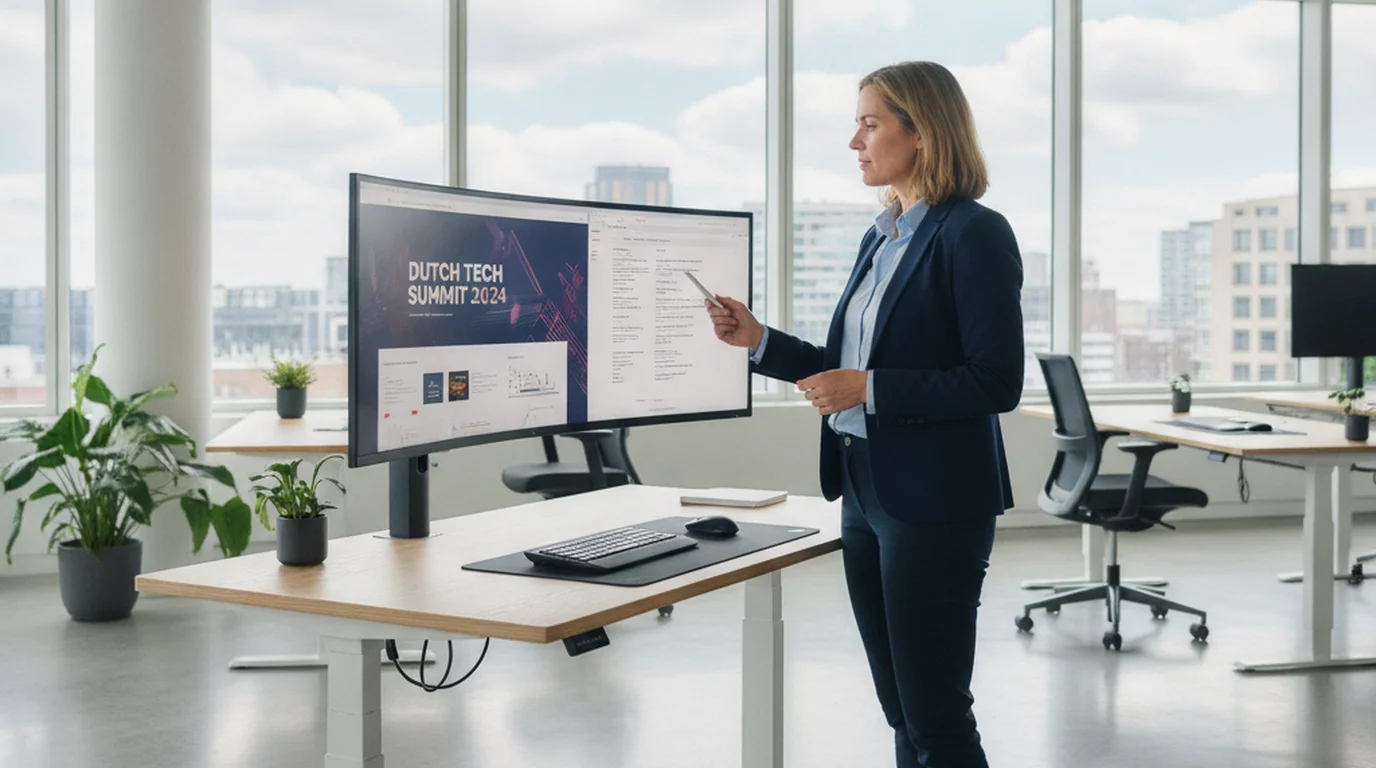
I Track the Dutch Tech Ecosystem for AI Research Reports. Here's How I Handle Dutch-to-English Translation.
The Netherlands has a disproportionately large technology sector — ASML, Booking.com, Adyen, NXP, Philips — and a Dutch-language media and research ecosystem that covers it in depth. As an AI research analyst, getting that content into English is a regular part of my workflow.
Sofia Andersson
Jul 03, 2026
Audio to Text Transcription: My Research Workflow
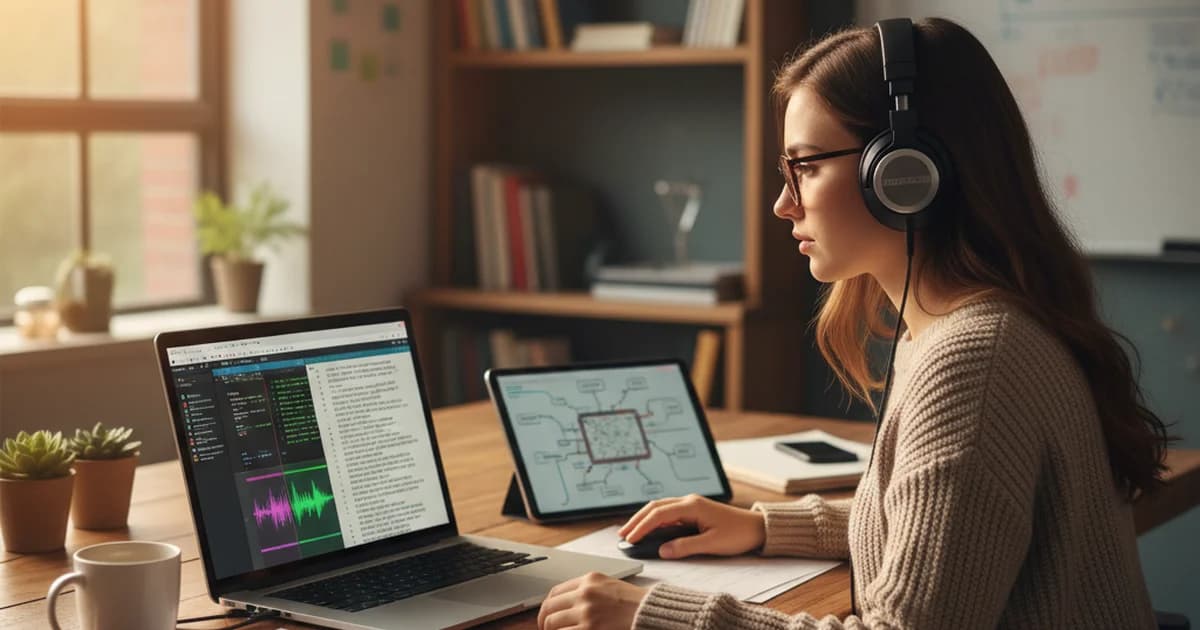
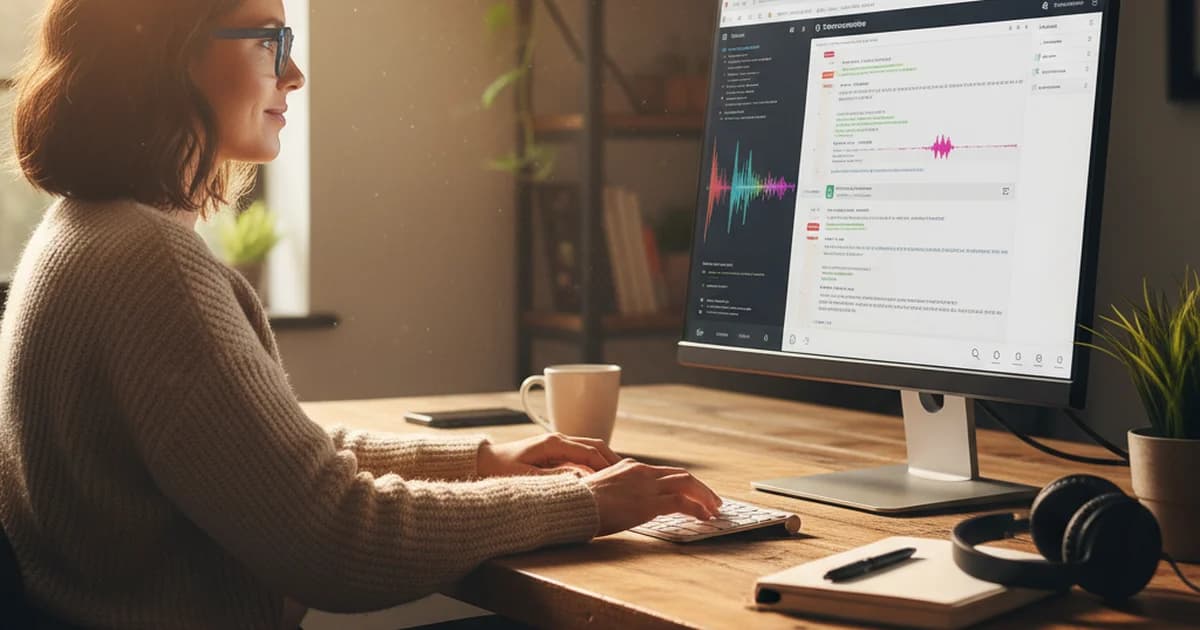
Market research analyst Sofia Andersson explains how she uses audio to text transcription to turn 30 hours of stakeholder interview recordings into a searchable, quotable research dataset. A first-person walkthrough of her actual process.
Sofia Andersson
Jun 26, 2026
I Track 200 Sources Across 6 Disciplines. Here's How I Read All of It Without Burning Out.
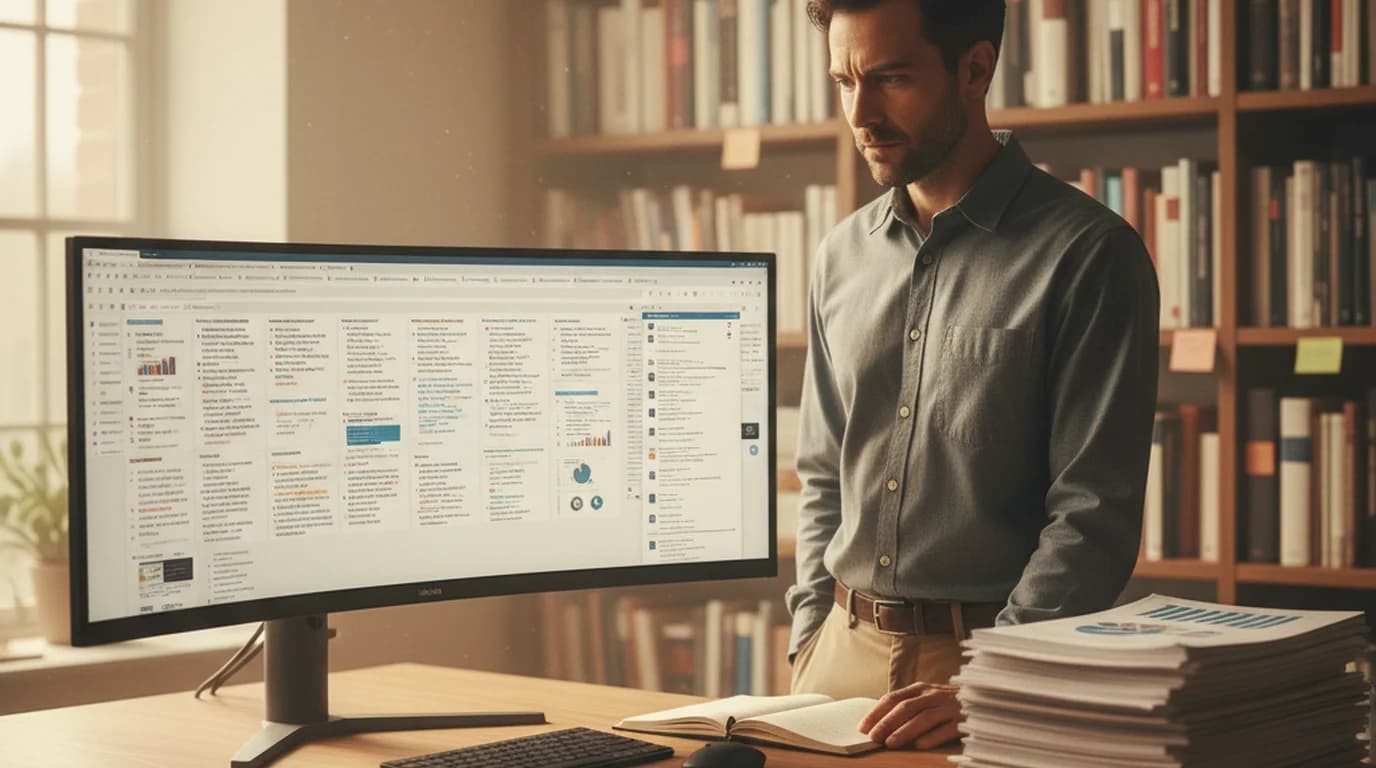
My research touches economics, public health, urban planning, climate policy, sociology, and political science. I can't read everything published. sipsip.ai's web article summarizer lets me stay current across all of it without working 16-hour days.
Noah Hughes
Jun 3, 2026
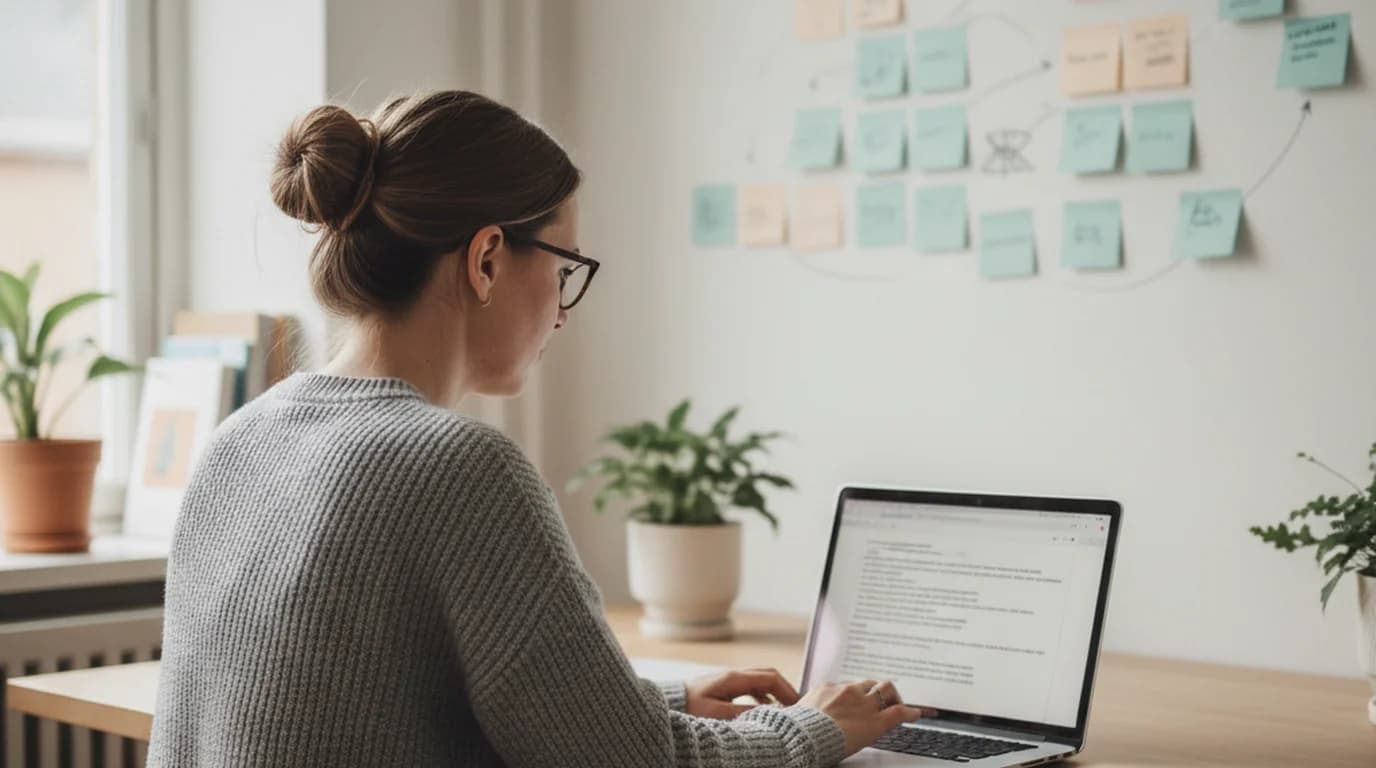
How I Transcribe 12 User Interview Recordings a Week Without Losing a Single Insight
I'm a UX researcher running 3–4 user interviews a week. Every session is an M4A file on my laptop. Here's the exact workflow I use to turn recordings into usable transcripts, tagged insights, and shareable reports — before the next round of interviews begins.
Maya Patel
Jun 3, 2026
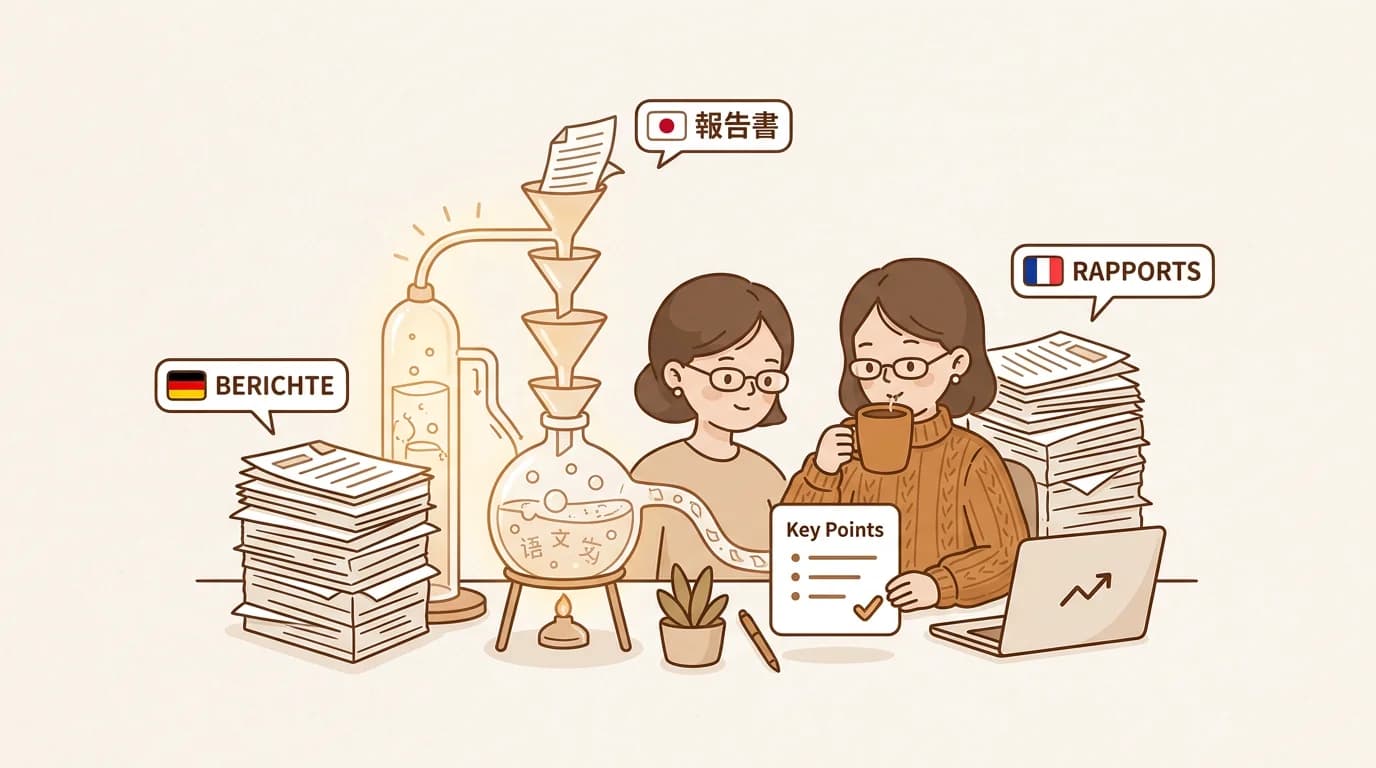
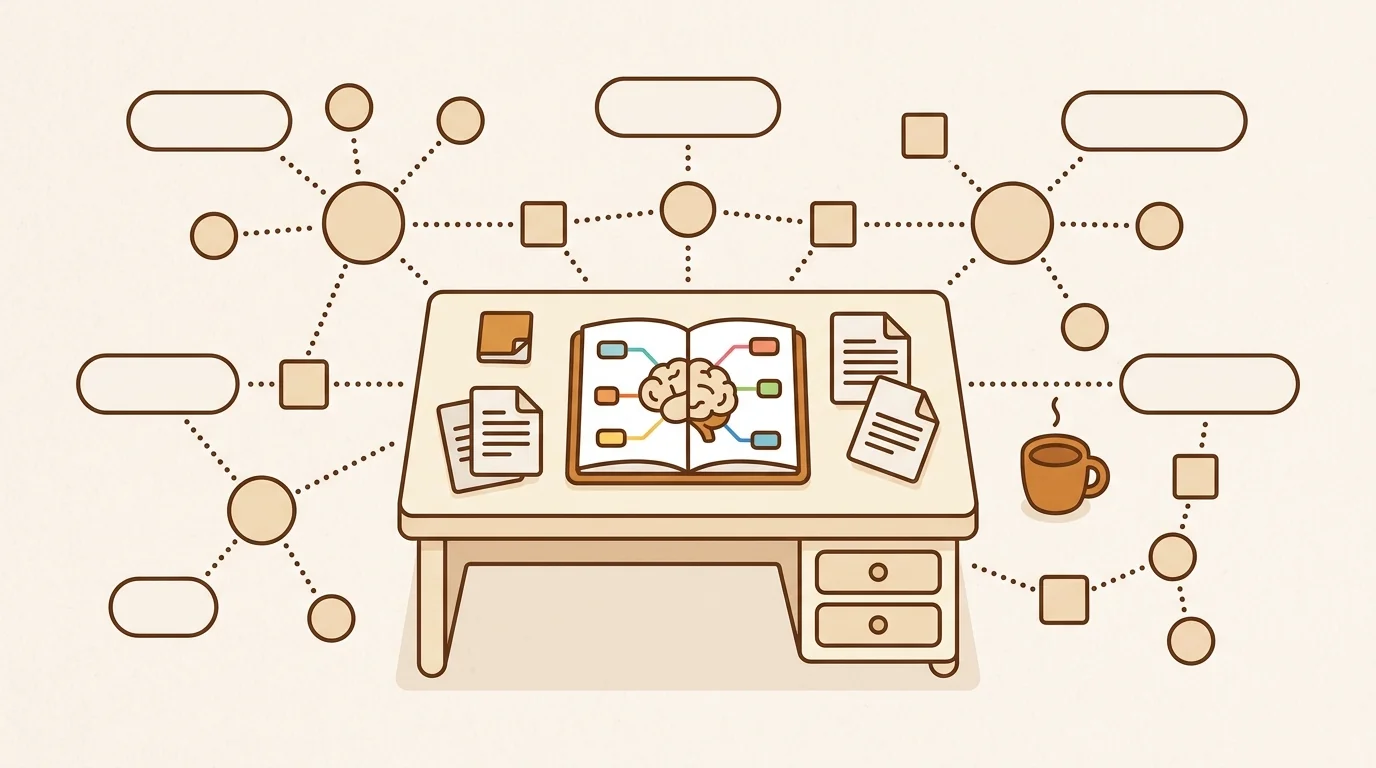
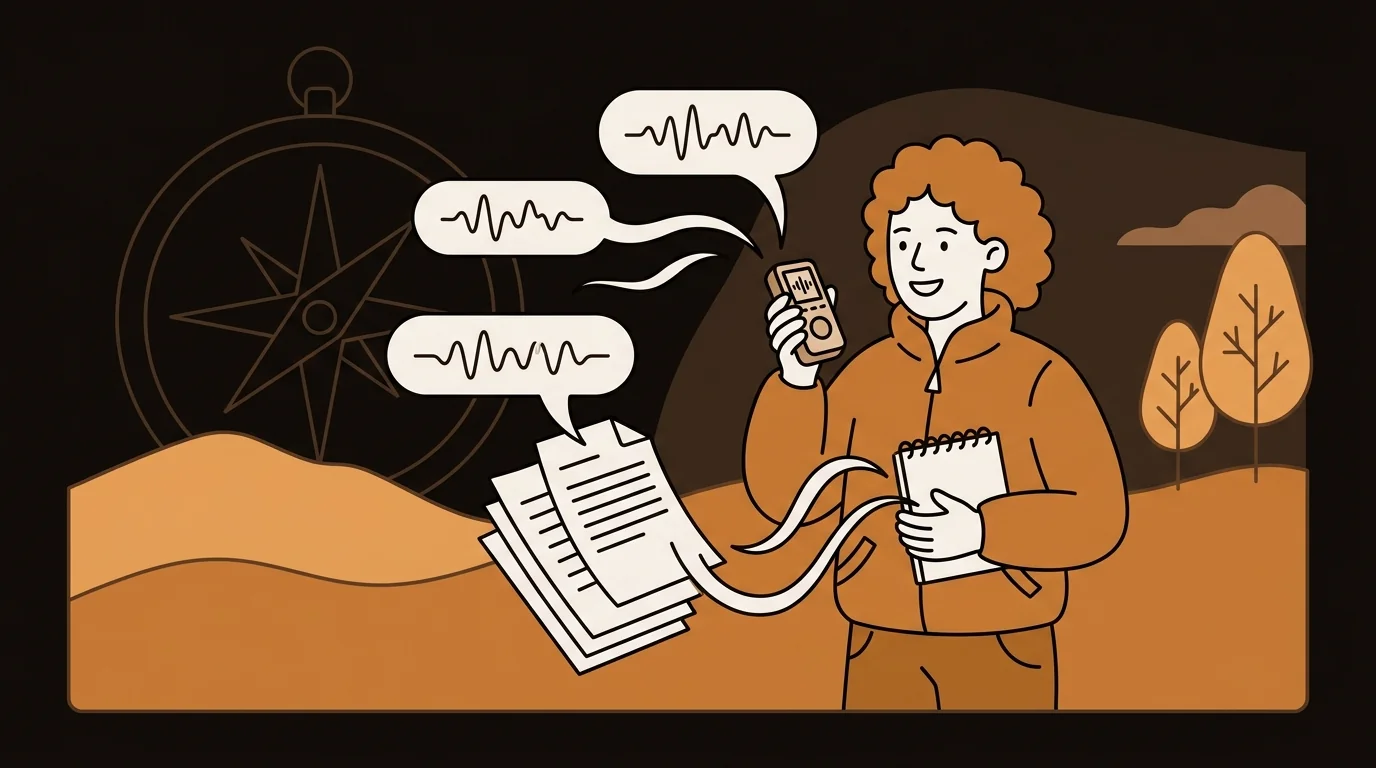
How I Turn 6 Weeks of Field Recordings Into Research Data Without Losing a Single Observation
As a cultural anthropologist, I record everything in the field — informant interviews, group conversations, my own voice notes. AI transcription turned a two-week backlog into same-day searchable data.
Amelia Scott
Apr 06, 2026
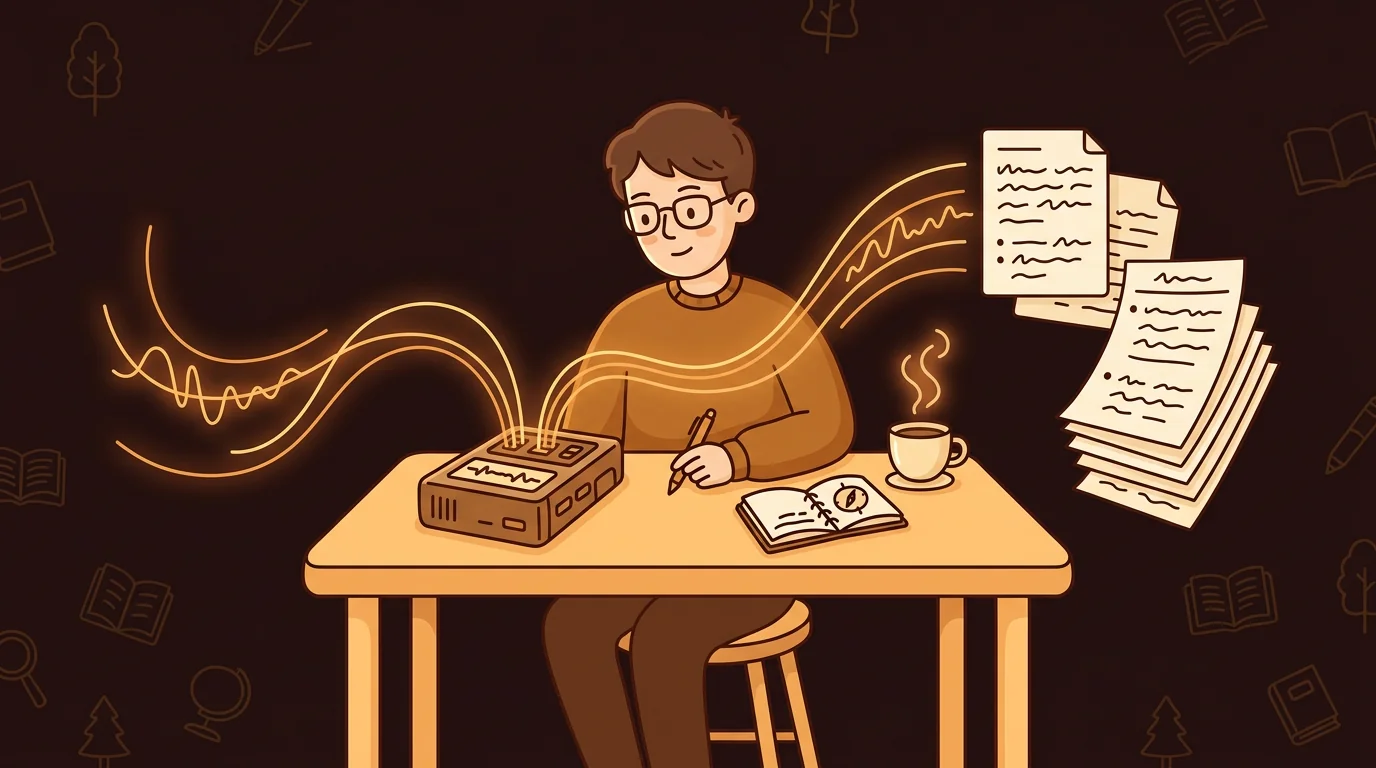
I Had 62 Hours of Field Recordings and a 7-Week Transcription Backlog. Here's How I Cleared It in 4 Days.
Dr. Hiroshi Tanaka is an oral historian who records interviews with elderly community members across four countries and four languages. An audio transcriber turned a seven-week backlog into a four-day editing task.
Hiroshi Tanaka
Apr 1, 2026
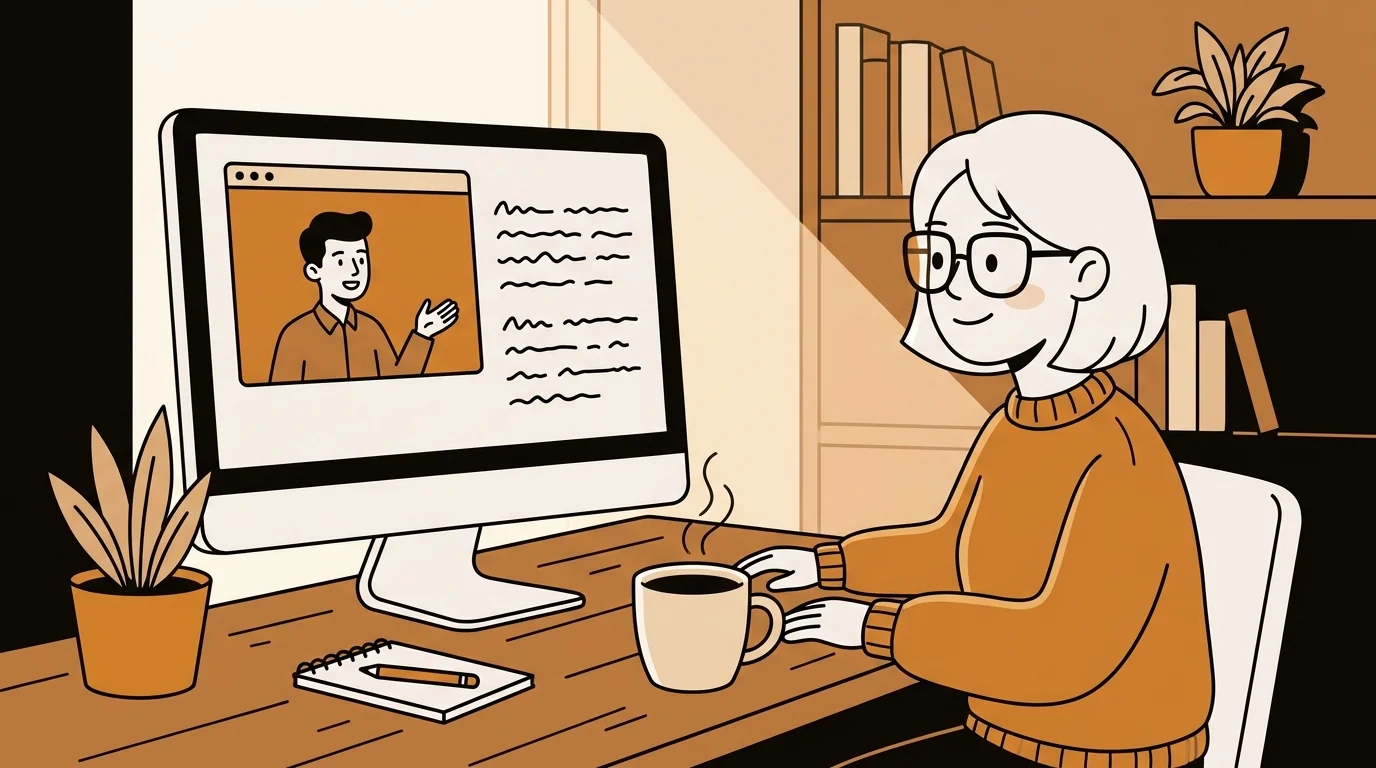
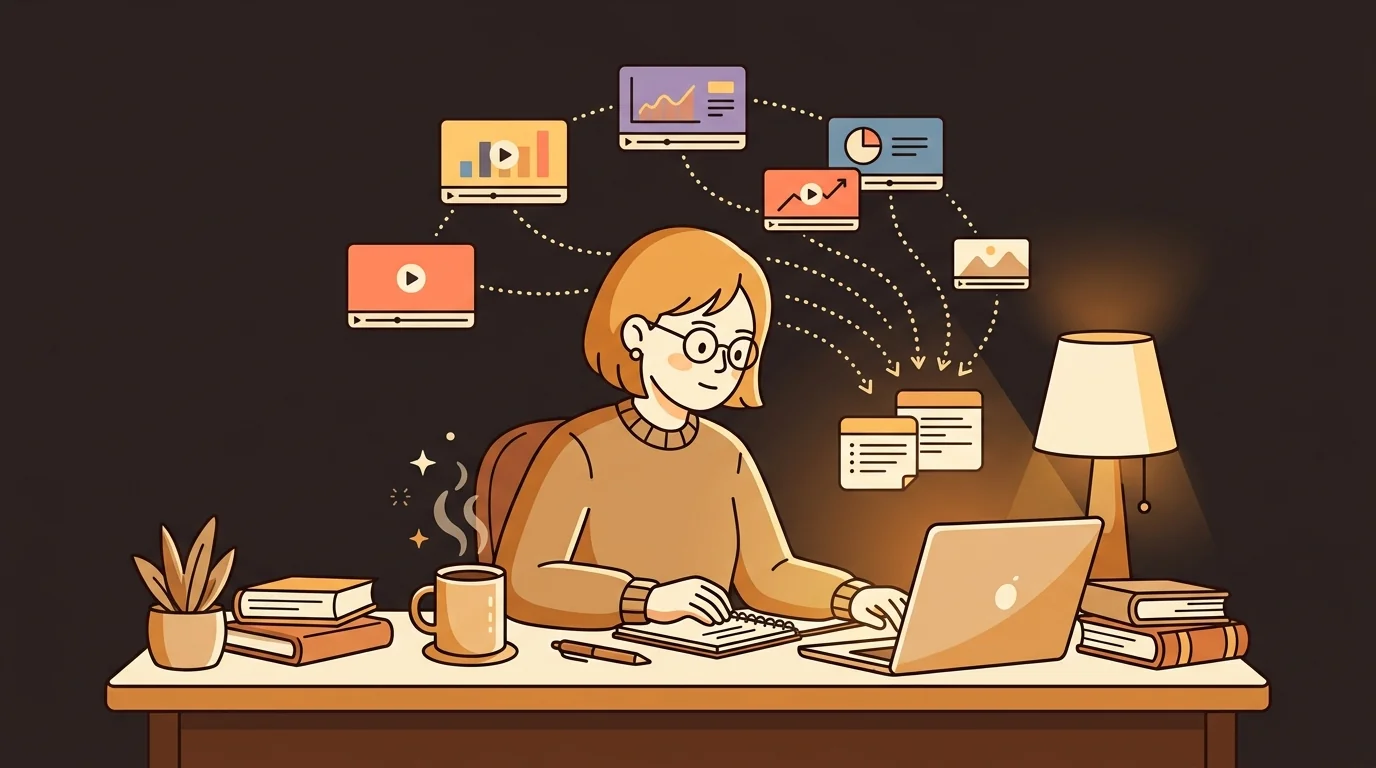
How I Review 20 Research Conference Talks a Week — Without Watching Any of Them
I'm a PhD candidate in cognitive science. I used to spend entire weekends scrubbing through recordings. With sipsip.ai AI summaries, I get every key finding in minutes — and actually move my research forward.
Amelia Scott
Mar 20, 2026